 March 2024 in “Frontiers in genetics”
 Different types of fibroblasts play specific roles in wound healing and cancer, which could help improve treatments.
 March 2024 in “Revista Agraria Academica”
 The Mediterranean dwarf palm has medicinal, nutritional, and craft uses, but more research is needed.
 February 2024 in “Recima21”
 Covid-19 can cause hair loss due to immune and psychological factors.
 February 2024 in “BioMetals”
 Heavy metals like arsenic, cadmium, and lead can increase cancer risk and worsen outcomes.
 February 2024 in “PloS one”
 Tofacitinib and adalimumab are promising treatments for cicatricial alopecia with few side effects.
 February 2024 in “Plant Cell Reports”
 AtVPS29 is essential for proper plant growth by regulating gibberellin signaling.
 January 2024 in “International Ayurvedic medical journal”
 Certain Prakruti types are more prone to early male pattern baldness.
 January 2024 in “Scientific reports”
 Egyptian Mint effectively kills mosquito larvae and inhibits certain bacteria.
 January 2024 in “Theranostics”
 HDAC6 helps keep ovarian follicles dormant, extending female fertility.
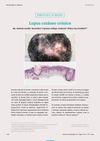 January 2024 in “Revista Dermatológica Centro Uraga”
 The patient has Chronic Cutaneous Lupus, a skin condition causing plaques and hair loss.

Pomegranate is beneficial in various medical fields.
 November 2023 in “International journal of biology, pharmacy and allied sciences”
 Herbal treatments can help with hair problems, but more research is needed.
 November 2023 in “International Research Journal of Modernization in Engineering Technology and Science”
 Herbal shampoos clean and improve hair naturally without harmful side effects.
 November 2023 in “bioRxiv (Cold Spring Harbor Laboratory)”
 Scientists made a mouse that shows how a specific protein in the skin changes and affects hair growth and shape.
 October 2023 in “International journal of research in Ayurveda and pharmacy”
 Keedari thailam is effective for treating alopecia areata and has multiple health benefits.
 October 2023 in “Biomedical science and engineering”
 Innovative methods are reducing animal testing and improving biomedical research.
 October 2023 in “International journal of biology, pharmacy and allied sciences”
 Personalized treatment plans combining natural and synthetic approaches are important for managing alopecia effectively.
 September 2023 in “Reproductive health of woman”
 PCOS is common, affects fertility, and requires personalized treatment to manage symptoms and health risks.
 September 2023 in “Dermatology and therapy”
 Ritlecitinib effectively improves hair growth in alopecia areata patients, regardless of hair loss pattern.
 September 2023 in “Nature communications”
 Alk1 in specific cells is crucial for proper nerve branching and hair function.
September 2023 in “Repository of the University of Primorsk (University of Primorska)” Following national healthy eating guidelines can help reduce risks from gender-affirming hormone therapy.
 September 2023 in “bioRxiv (Cold Spring Harbor Laboratory)”
 FOL-026 peptide can help repair blood vessels and promote growth, offering potential treatment for vascular diseases.
 September 2023 in “Bangladesh Journal of Neurosurgery”
 Stereotactic Radiosurgery is an effective non-invasive treatment for cerebral AVM, with successful outcomes and minimal side effects.
 August 2023 in “International journal of research in Ayurveda and pharmacy”
 Garudan Kizhangu Ennai may effectively treat alopecia areata but needs more research to confirm its safety and effectiveness.
 August 2023 in “Clinical and experimental dermatology and therapies”
 Dupilumab may help hair regrowth in some patients with severe atopic dermatitis, but results vary.

Female rats showed more panic-related behavior than males, influenced by hormonal cycles and certain drugs.
 June 2023 in “Dermatology and therapy”
 Doctors in the Middle East need better treatments and more knowledge about new therapies for hair loss condition Alopecia Areata.
A new system for classifying curly hair types using precise measurements can improve hair care products and cultural inclusion.
 April 2023 in “Medizinische Genetik”
 New research has found 14 genes linked to the risk of developing alopecia areata, improving understanding and treatment options.
 November 2022 in “Research Square (Research Square)”
 Using facial sunscreen and moisturizer may increase the risk of frontal fibrosing alopecia.