 2 citations
,
September 1980 in “Experientia”
2 citations
,
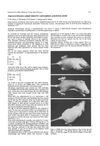
September 1980 in “Experientia” Polyethylene alanine caused hair loss in young lab animals but not in adults, with hair regrowth occurring within 20 days.
 May 2025 in “International Journal For Multidisciplinary Research”
 Cats and dogs with dermatophytosis show skin issues, with dogs having more severe symptoms.
September 2019 in “The journal of investigative dermatology/Journal of investigative dermatology” Mononuclear cells may protect against certain chemotherapy-induced hair loss.
Alopecia areata is an autoimmune disease that targets hair follicles.

Wavy sinus hairs in cats are linked to feline leukemia virus infection.
178 citations
,
June 1994 in “Journal of Investigative Dermatology” Alopecia areata in these mice is inherited, more common in young females, and can be treated with triamcinolone acetonide.
 63 citations
,
December 1988 in “International Journal of Dermatology”
63 citations
,
December 1988 in “International Journal of Dermatology” Vitiligo causes white skin patches and is linked to autoimmune issues.
27 citations
,
July 2020 in “Stem Cells International” ADSC therapy is more effective and safer for treating photoaged skin than PRP.
 25 citations
,
November 2001 in “Kidney International”
25 citations
,
November 2001 in “Kidney International” Male hormones worsen kidney transplant damage, but blocking them helps.
18 citations
,
June 2010 in “Cell Stress and Chaperones” Heat treatment increases hair loss in certain mice.
2 citations
,
March 2015 in “Human & Experimental Toxicology” Hyperbaric oxygen therapy significantly altered rat facial skin structure.
January 2011 in “Junshi yixue” A mouse model for studying scleroderma in chronic graft-versus-host disease was successfully created.
 October 2021 in “The Egyptian Journal of Hospital Medicine”
 Alopecia areata causes patchy hair loss and involves immune system disruptions.
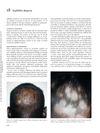 April 2012 in “Informa Healthcare eBooks”
 Syphilitic alopecia is a rare hair loss condition in secondary syphilis that looks similar to another condition but can be diagnosed with specific tests and responds to antibiotics.
75 citations
,
October 2012 in “Journal of Investigative Dermatology” Alopecia areata can be triggered by specific immune cells without genetic or environmental factors.
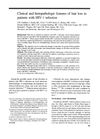 46 citations
,
January 1996 in “Journal of The American Academy of Dermatology”
46 citations
,
January 1996 in “Journal of The American Academy of Dermatology” People with late-stage HIV-1 often experience a specific type of hair loss linked to multiple factors, including nutritional issues and immune responses.
25 citations
,
December 2013 in “Journal of Investigative Dermatology Symposium Proceedings” A new mouse model helps understand and find treatments for alopecia areata.
15 citations
,
February 2021 in “Cells” Transfected cells with VEGF and FGF2 genes improve skin wound healing by enhancing blood flow and regeneration.
2 citations
,
December 2017 in “The journal of investigative dermatology. Symposium proceedings/The Journal of investigative dermatology symposium proceedings” The conclusion is that a new method could improve the identification of autoimmune targets in alopecia areata, despite some limitations.
 1 citations
,
August 2018 in “bioRxiv (Cold Spring Harbor Laboratory)”
1 citations
,
August 2018 in “bioRxiv (Cold Spring Harbor Laboratory)” A new mutation in the TMEM173 gene and a risk allele in IFIH1 cause a unique set of immune-related symptoms.
November 2025 in “Journal of Investigative Dermatology” Dithranol reduces inflammation in alopecia areata by lowering certain immune responses.
April 2019 in “Journal of Investigative Dermatology” The humanized AA mouse model is better for testing new alopecia areata treatments.
April 2018 in “Journal of Investigative Dermatology” Melanogenesis-related proteins may trigger immune responses in alopecia areata patients.
 April 2017 in “Journal of Investigative Dermatology”
 SM04755 may be an effective topical treatment for psoriasis.
 January 2014 in “Genes and Cells”
 Genetically modified cells improved skin wound healing in rats.
10 citations
,
September 1994 in “International Journal of Dermatology” Three Iranian men had reddish-brown facial pigmentation with no effective treatment.
103 citations
,
December 2021 in “Journal of biological rhythms” Shift work disrupts the body's natural clock, leading to health problems.
38 citations
,
September 2004 in “Journal of Autoimmunity” Alopecia areata patients have more activated T cells in their blood, which may help in developing treatments.
April 2023 in “Journal of Investigative Dermatology” Contact immunotherapy can change immune responses in alopecia areata, suggesting new treatment targets.
52 citations
,
December 2014 in “Journal of Dermatological Science” Apremilast may help treat hair loss in alopecia areata.