6 citations
,
January 2015 in “Journal of clinical & experimental dermatology research” The combination therapy may be more effective for mild alopecia areata, especially in patients with allergies.
July 2025 in “Pediatric Transplantation” A rare skin infection in a 10-year-old kidney transplant patient was successfully managed by adjusting medication.
January 2025 in “Indian Dermatology Online Journal” Mycosis fungoides can have unusual symptoms and may be misdiagnosed, but specific cell markers might suggest a lower risk of worsening.
1 citations
,
October 2025 in “Journal of the American Society of Nephrology” COVID-19 vaccination may cause kidney inflammation, treatable with steroids and Cellcept.
7 citations
,
May 1978 in “Acta Dermato Venereologica” A 36-year-old man had unusual skin lesions on his face without hair loss.
 1 citations
,
July 1990 in “PubMed”
1 citations
,
July 1990 in “PubMed” The document's conclusion cannot be determined from the provided text.
44 citations
,
January 1999 in “Dermatology” Nevus comedonicus is a rare skin condition with grouped open pores, sometimes linked to other body issues.
July 2000 in “The Pediatric Infectious Disease Journal” Tinea faciei should be considered in neonatal vesicular lesions and confirmed with KOH examination and culture.
9 citations
,
January 2014 in “World journal of clinical cases” Neomycin is a common cause of follicular contact dermatitis, which is treated by avoiding the allergen and using creams.
 2 citations
,
November 1998 in “Journal of The European Academy of Dermatology and Venereology”
2 citations
,
November 1998 in “Journal of The European Academy of Dermatology and Venereology” Prednisone reduces organ mast cell infiltration but does not alter the abnormal appearance of mast cells in systemic mastocytosis.
June 2025 in “British Journal of Dermatology” Syphilis can mimic other diseases, making diagnosis challenging, but proper testing and treatment are effective.
19 citations
,
July 2004 in “Clinical and experimental dermatology” Acneiform follicular mucinosis can be controlled with systemic corticosteroids.
 253 citations
,
April 2014 in “Drugs”
253 citations
,
April 2014 in “Drugs” Teriflunomide helps reduce multiple sclerosis symptoms and is safe for most patients.
 October 2025 in “International journal of research and scientific innovation”
 Lupus pneumonitis can be misdiagnosed as pneumonia or tuberculosis, so consider lupus in similar cases for proper treatment.
 September 2023 in “Journal of the American Academy of Dermatology”
 Children with alopecia areata, especially with Down syndrome or thyroid issues, should be screened for thyroid disease.
 October 2024 in “Cermin Dunia Kedokteran”
 Effective monitoring and prevention strategies are needed to manage the spread of hand, foot, and mouth disease in children.
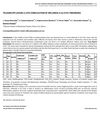
Hair loss can happen after severe H1N1 flu but usually grows back in 4 months.
5 citations
,
May 2022 in “Lara D. Veeken” A rare genetic condition can mimic symptoms of other diseases, making diagnosis challenging.

No single biomarker is reliable enough for diagnosing and assessing SLE.
January 2026 in “China CDC Weekly” Large language models can accurately identify monkeypox from medical records.
 3 citations
,
June 2020 in “Open access rheumatology”
3 citations
,
June 2020 in “Open access rheumatology” A patient with Rhupus was diagnosed with Rowell syndrome and treated with various medications.

A patient with Myotonic dystrophy type 1 had multiple tongue hemangiomas and was sensitive to anesthesia.
 January 2013 in “The Pan African medical journal”
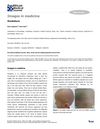
 Monilethrix causes short, fragile hair with no specific treatment available.
May 2018 in “The journal of immunology/The Journal of immunology” Mutations in the FOXN1 gene cause severe immune issues but don't affect hair and nails.
November 2023 in “Journal of Investigative Dermatology” The study identified key immune cell differences between mild and severe alopecia areata.
2 citations
,
February 2025 Merkel cell polyomavirus can infect and persist in skin cells, evading the immune system, but certain treatments can control it.
 November 2011 in “APMIS. Acta pathologica, microbiologica et immunologica Scandinavica./APMIS”
 Polyomavirus A2 infection in newborn mice caused hair follicle tumors.
June 2022 in “Mayo Clinic Proceedings” The man was diagnosed with stage III multiple myeloma and treated to improve kidney function.
March 2025 in “International Journal of Trichology” Oral minoxidil improved hair thickness in a person with monilethrix.
 April 2016 in “Journal of The American Academy of Dermatology”
 A woman's skin symptoms led to a diagnosis of systemic AL amyloidosis, but she died from sepsis shortly after.