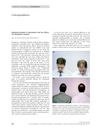
 2 citations
,
July 2010 in “Clinical and Experimental Dermatology”
2 citations
,
July 2010 in “Clinical and Experimental Dermatology” Delaying hair loss treatment reduces its effectiveness.
 164 citations
,
April 2008 in “Cochrane library”
164 citations
,
April 2008 in “Cochrane library” Current treatments for alopecia show no significant long-term benefits.
 4 citations
,
September 2012 in “Clinical Pharmacology in Drug Development”
4 citations
,
September 2012 in “Clinical Pharmacology in Drug Development” Different drug doses approved in Japan and the U.S. are not mainly due to different clinical responses, and ethnic factors should be considered in setting drug doses.
 May 2023 in “Elsevier eBooks”
 Stem cell-based therapies show promise for treating various medical conditions.
 9 citations
,
March 1991 in “Endocrinology”
9 citations
,
March 1991 in “Endocrinology” Using two drugs together, Flutamide and 4-MA, is more effective for blocking male hormones than using each one alone.
 July 2026 in “International Journal of Molecular Sciences”
 Vitiligo treatment is improving with new drugs and therapies, focusing on personalized and combined approaches.
26 citations
,
December 2003 in “Experimental Dermatology” Specific keratin gene mutations can cause monilethrix.
 November 2025 in “Reumatismo”
 The choice between belimumab and anifrolumab depends on the specific symptoms of the patient's lupus.
 November 2018 in “The Journal of Allergy and Clinical Immunology: In Practice”
 Using old drugs for new uses can help treat rare immune deficiencies.
 1 citations
,
February 2018 in “Orthopedics and rheumatology”
1 citations
,
February 2018 in “Orthopedics and rheumatology” Combining Western chemotherapy with Traditional Chinese Medicine can reduce side effects and improve immune response in treating bone and soft tissue tumors.
8 citations
,
May 2025 in “Pharmaceuticals” In 2024, the FDA approved 27 innovative small-molecule drugs, with many offering significant treatment improvements.
 June 2025 in “Journal of Education Health and Sport”
 Combination therapies for androgenetic alopecia are more effective, but more research is needed for safe, standardized treatments.
 1 citations
,
October 2018 in “InTech eBooks”
1 citations
,
October 2018 in “InTech eBooks” Only minoxidil and finasteride are FDA-approved for hair loss, with other treatments available but less effective or with side effects.
24 citations
,
January 2017 in “International Journal of Trichology” October 2025 in “Pharmaceuticals” Auranofin shows promise as a cancer treatment, especially when combined with other therapies.
Both treatments for localized alopecia areata are equally effective.
44 citations
,
November 2022 in “Frontiers in Immunology” TLR-targeted therapies show promise in cancer treatment by helping destroy tumors.
9 citations
,
October 1947 in “The Lancet” 1 citations
,
November 1947 in “The Lancet”  December 2011 in “Drug Research”
 The document shows the state of pharmaceutical patents as of 1999, focusing on treatments for various diseases.
 October 2025 in “Actualización en Medicina de Familia”
 New drugs face challenges due to limited evidence, and safety updates are advised for some existing medications.
 77 citations
,
June 2017 in “Advances in Therapy”
77 citations
,
June 2017 in “Advances in Therapy” New treatments for Alopecia Areata, like JAK inhibitors, show promise for hair regrowth and are likely to change future treatment approaches.
18 citations
,
January 2015 in “International Journal of Trichology” Intralesional steroids are more effective for hair regrowth in alopecia areata than NBUVB, but combining them doesn't improve results.
 August 2009 in “Australian Prescriber”
 Eculizumab helps reduce blood transfusions and stabilize hemoglobin but increases infection risk and is expensive.
 April 2012 in “Journal of the American Academy of Dermatology”
 Clofazimine effectively treated ashy dermatosis in a patient.
 192 citations
,
January 2015 in “Journal of the American Academy of Dermatology”
192 citations
,
January 2015 in “Journal of the American Academy of Dermatology” Targeted cancer therapies often cause serious skin problems that need careful management.
 4 citations
,
January 2019 in “Einstein (São Paulo)”
4 citations
,
January 2019 in “Einstein (São Paulo)” Dupilumab improved severe atopic dermatitis in a patient who didn't respond to other treatments.
April 2022 in “Reactions Weekly”  March 2022 in “Nepal Journal of Dermatology Venereology & Leprology”
 Methotrexate with steroids is slightly more effective than azathioprine with steroids for treating severe alopecia areata.
 10 citations
,
October 2024 in “Dermatology Practical & Conceptual”
10 citations
,
October 2024 in “Dermatology Practical & Conceptual” Dupilumab may worsen Alopecia Areata in some males but improve it in some females, suggesting personalized treatment is needed.