15 citations
,
August 1988 in “Archives of Otolaryngology - Head and Neck Surgery” Minoxidil can cause excessive hair growth in the ear canal, leading to ear infections and hearing loss.
 15 citations
,
October 1981 in “Archives of internal medicine”
15 citations
,
October 1981 in “Archives of internal medicine” Minoxidil can cause severe skin reactions like Stevens-Johnson syndrome in rare cases.
 14 citations
,
March 2020 in “Scientific Reports”
14 citations
,
March 2020 in “Scientific Reports” Using dual-frequency ultrasound with microbubbles can potentially improve the delivery of hair growth treatment through the skin and enhance hair growth.
14 citations
,
January 2018 in “Indian Journal of Dermatology, Venereology and Leprology” Adding low-level light therapy to minoxidil improves hair growth and patient satisfaction.
 14 citations
,
January 2015 in “Skin appendage disorders”
14 citations
,
January 2015 in “Skin appendage disorders” Minoxidil treatment for hair loss can cause scalp allergy and severe hair loss.
 14 citations
,
January 2014 in “International Journal of Dermatology”
14 citations
,
January 2014 in “International Journal of Dermatology” Minoxidil with Korean red ginseng improves hair density and thickness more than minoxidil alone.
 14 citations
,
April 2009 in “Acta Medica Scandinavica”
14 citations
,
April 2009 in “Acta Medica Scandinavica” Minoxidil helps control blood pressure but has side-effects, so it's not for everyone.
 14 citations
,
January 2007 in “Journal of Dermatological Treatment”
14 citations
,
January 2007 in “Journal of Dermatological Treatment” Minoxidil solution had low effect, causing 99% to stop using it.
 14 citations
,
May 2005 in “Farmaco”
14 citations
,
May 2005 in “Farmaco” A method was created in 2005 to identify minoxidil, a hair growth ingredient, in products using two types of capillary zone electrophoresis, and it found that most products had about 2% minoxidil.
 14 citations
,
September 2003 in “Archives of Dermatology”
14 citations
,
September 2003 in “Archives of Dermatology” Finasteride may not stop severe hair loss after stopping minoxidil.
 14 citations
,
July 1987 in “Contact Dermatitis”
14 citations
,
July 1987 in “Contact Dermatitis” Minoxidil can cause allergic skin reactions in some users.
 14 citations
,
July 1987 in “Contact Dermatitis”
14 citations
,
July 1987 in “Contact Dermatitis” A small percentage of minoxidil users may develop an allergic skin reaction.
14 citations
,
April 1987 in “PubMed” Topical minoxidil can promote hair growth in men with hereditary hair loss, with no serious side effects.
 13 citations
,
February 2022 in “JAMA Dermatology”
13 citations
,
February 2022 in “JAMA Dermatology” Dutasteride is the most effective hair loss treatment after 24 weeks, but finasteride leads to the most hair growth after 48 weeks.
13 citations
,
July 2019 in “Chemical papers/Chemické zvesti” A new sensor can detect minoxidil accurately and effectively.
 13 citations
,
February 2018 in “Bio-medical Materials and Engineering”
13 citations
,
February 2018 in “Bio-medical Materials and Engineering” Minoxidil inside tiny particles can deliver more drug to hair follicles, potentially improving treatment for hair loss.
 13 citations
,
June 2016 in “Dermatologic Therapy”
13 citations
,
June 2016 in “Dermatologic Therapy” Minoxidil works better when applied on a damp scalp than a dry one.
 13 citations
,
January 2016 in “Journal of cosmetology & trichology”
13 citations
,
January 2016 in “Journal of cosmetology & trichology” Alternative treatments show promise for hair growth beyond traditional methods.
 13 citations
,
January 2016 in “Journal of the Egyptian Women's Dermatologic Society (Print)”
13 citations
,
January 2016 in “Journal of the Egyptian Women's Dermatologic Society (Print)” Minoxidil works faster and is more cost-effective for treating hair loss, but platelet-rich plasma microneedling can be an alternative for those who can't use minoxidil.
 13 citations
,
January 2015 in “Molecular Pharmaceutics”
13 citations
,
January 2015 in “Molecular Pharmaceutics” Minoxidil works well as a high permeability reference drug for biopharmaceutics classification.
 13 citations
,
November 2014 in “Pediatric emergency care”
13 citations
,
November 2014 in “Pediatric emergency care” Ingesting minoxidil can cause serious heart issues; keep away from children and improve packaging.
 13 citations
,
March 2014 in “Pediatric Dermatology”
13 citations
,
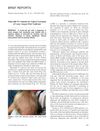
March 2014 in “Pediatric Dermatology” Minoxidil 5% solution significantly improved hair density in a girl with loose anagen hair syndrome over 28 months, with no side effects.
 13 citations
,
November 2013 in “The Journal of Dermatology”
13 citations
,
November 2013 in “The Journal of Dermatology” Minoxidil 2% lotion is safe and effective for making eyebrows thicker and fuller.
 13 citations
,
December 2010 in “Archives of Dermatology”
13 citations
,
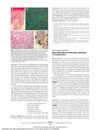
December 2010 in “Archives of Dermatology” Minoxidil use can cause trichostasis spinulosa in long-term hair loss patients.
 13 citations
,
April 2009 in “Acta Medica Scandinavica”
13 citations
,
April 2009 in “Acta Medica Scandinavica” Minoxidil lowers blood pressure and causes hair growth, with some side effects.
 13 citations
,
September 2005 in “Eclética Química”
13 citations
,
September 2005 in “Eclética Química” Quick, accurate minoxidil measurement in hair loss products using photometric flow titration.
 13 citations
,
January 1988 in “Contact Dermatitis”
13 citations
,
January 1988 in “Contact Dermatitis” Some patients using Minoxidil for baldness developed allergic skin reactions.
13 citations
,
December 1987 in “British Journal of Dermatology” Increased T cell activity may predict hair regrowth success with minoxidil in severe alopecia areata.
13 citations
,
May 1987 in “PubMed” Topical minoxidil can help regrow hair with regular use, but results vary and side effects may occur.
13 citations
,
January 1987 in “Dermatology” Minoxidil sulfate relaxes blood vessels by increasing potassium permeability.