 January 2019 in “Applied Organometallic Chemistry”
 The compound (NH4)2Mn0.17Cu0.83Cl4.2H₂O has a specific structure, shows weak magnetism at low temperatures, and undergoes phase changes at high temperatures.
20 citations
,
April 2017 in “Journal of the American Academy of Dermatology” Antimalarial drugs, especially chloroquine, can effectively treat granuloma annulare.
February 2026 in “International Journal of Clinical Dermatology” A multi-drug treatment can effectively clear extensive calcinosis in juvenile dermatomyositis.
2 citations
,
September 2022 in “Annals of Oncology” Mirvetuximab soravtansine improves quality of life and reduces symptoms more than standard chemotherapy in ovarian cancer patients.
8 citations
,
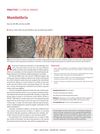
December 2016 in “Hormone Research in Paediatrics” Tunisian children with hereditary vitamin D-resistant rickets showed improvement with calcium treatment, and new genetic mutations were identified.
 1 citations
,
July 2018 in “CMAJ. Canadian Medical Association journal”
1 citations
,
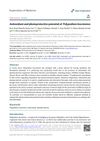
July 2018 in “CMAJ. Canadian Medical Association journal” A three-year-old girl has hair loss despite treatment with selenium sulfide shampoo and anti-fungal medication.
 1 citations
,
December 2022 in “Exploration of Medicine”
1 citations
,
December 2022 in “Exploration of Medicine” Polypodium leucotomos is a promising natural sunscreen that helps protect skin from UV damage.
January 2011 in “Journal of the American Academy of Dermatology” Dr. Conroy's book on Morgellon's disease lacks credible evidence and scientific validity.
6 citations
,
October 2001 in “British Journal of Ophthalmology” Intralesional cidofovir may be a viable treatment for conjunctival lesions in Melkersson-Rosenthal syndrome without systemic toxicity.
 July 2025 in “New Phytologist”
 MLO proteins help regulate calcium and ROS levels, promoting root hair growth in Arabidopsis.
October 2025 in “Journal of the Endocrine Society” Combining medication and minimally invasive techniques can effectively manage Marine-Lenhart syndrome.
November 2025 in “Archaeometry” Animal hair from 18th-century Mazamet burial sites shows locals used goat, badger, cow, or horse fur for clothing, indicating modest economic status.
 26 citations
,
March 2015 in “American journal of clinical dermatology”
26 citations
,
March 2015 in “American journal of clinical dermatology” Topical clobetasol is recommended over mycophenolate mofetil for treating Lichen Planopilaris due to better safety and patient satisfaction.
16 citations
,
June 2015 in “Drug Design Development and Therapy” The new formulation improves dutasteride's absorption when taken orally.
2 citations
,
February 2023 in “International journal of molecular sciences” Tetrathiomolybdate reduces hair growth marker in skin cells by boosting harmful oxygen molecules, but effects can be reversed.
 April 2012 in “Journal of the American Academy of Dermatology”
 Clofazimine may be effective for treating ashy dermatosis.
 October 2022 in “Boletín médico del Hospital infantil de México/Boletín médico del Hospital Infantil de México”
 The patient has a rare skin condition that shows features of two known disorders.
18 citations
,
January 2013 in “Evidence-based Complementary and Alternative Medicine” Aconiti Lateralis Preparata Radix helps mouse stem cells grow and turn into bone cells faster than usual methods.
September 2022 in “Research Square (Research Square)” 5% topical minoxidil improves hair density and quality in monilethrix patients.
 2 citations
,
June 2022 in “Journal of Applied Pharmaceutical Science”
2 citations
,
June 2022 in “Journal of Applied Pharmaceutical Science” 4-O-Methylhonokiol from Magnolia shows promise for hair growth, cancer, diabetes, and more, but needs better absorption.
 6 citations
,
August 2012 in “The Journal of Pediatrics”
6 citations
,
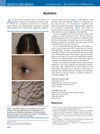
August 2012 in “The Journal of Pediatrics” A 12-year-old girl was diagnosed with monilethrix, a genetic condition causing fragile, beaded hair that breaks easily, with no effective treatment available.
 19 citations
,
July 2006 in “Acta crystallographica”
19 citations
,
July 2006 in “Acta crystallographica” Errors found in identifying furosemide and finasteride polymorphs due to incomplete data.
2 citations
,
August 2017 in “Drug and therapeutics bulletin” Strontium ranelate is no longer available for treatment.
4 citations
,
October 2001 in “Mycoses” A young cat had a rare fungal infection caused by Microsporum gypseum.
6 citations
,
July 2005 in “Acta Ophthalmologica Scandinavica” Mitochondriopathy may cause eyelash loss.
Highly concentrated water-soluble minerals improve health, cosmetics, and agriculture.
September 2018 in “Translational andrology and urology” MOTILIPERM may help treat male infertility by reducing stress in cells.
100 citations
,
November 1997 in “Human Genetics” A new mutation in the hHb1 keratin gene is linked to the hair disorder monilethrix.
54 citations
,
January 1995 in “Human Molecular Genetics” Monilethrix is linked to a gene cluster on chromosome 12.
3 citations
,
March 2013 in “American Journal of Dermatopathology” Ossification in trichilemmal cysts is more common than previously believed.