949 citations
,
January 2001 in “Cell” Adult mouse skin contains stem cells that can create new hair, skin, and oil glands.
 253 citations
,
March 1994 in “Developmental dynamics”
253 citations
,
March 1994 in “Developmental dynamics” Apoptosis is essential for human skin development and forming a functional epidermis.
 60 citations
,
November 2013 in “Development”
60 citations
,
November 2013 in “Development” Keratin 79 marks a new group of cells that are key for creating and repairing the hair follicle's structure.
57 citations
,
August 1997 in “Microscopy Research and Technique” New molecules involved in skin and hair growth were identified, improving understanding and future treatments.
56 citations
,
January 1970 in “Cell and Tissue Research” 46 citations
,
August 2012 in “Experimental Dermatology” Engineered skin can grow chimeric hair follicles only with mouse dermal papilla cells.
46 citations
,
January 1991 in “Tissue and Cell” The male silkmoth's antenna develops olfactory structures over 21 days, with full hair formation by day 15.
45 citations
,
December 1991 in “Annals of the New York Academy of Sciences” Adhesion molecules are crucial for the development of feathers and hair.
 43 citations
,
November 2018 in “Nature Communications”
43 citations
,
November 2018 in “Nature Communications” Genetic variations affecting skin structure play a key role in severe acne.
 31 citations
,
September 2013 in “Stem Cells”
31 citations
,
September 2013 in “Stem Cells” Smad1 and Smad5 are essential for hair follicle development and stem cell sleepiness.
 26 citations
,
January 2019 in “Experimental Dermatology”
26 citations
,
January 2019 in “Experimental Dermatology” Researchers created early-stage hair-like structures from skin cells, showing how these cells can self-organize, but more is needed for complete hair growth.
 21 citations
,
May 2022 in “Frontiers in Cell and Developmental Biology”
21 citations
,
May 2022 in “Frontiers in Cell and Developmental Biology” Hair growth and health are influenced by factors like age, environment, and nutrition, and are controlled by various molecular pathways. Red light can promote hair growth, and understanding these processes can help treat hair-related diseases.
 21 citations
,
November 2010 in “Journal of molecular medicine”
21 citations
,
November 2010 in “Journal of molecular medicine” FoxN1 gene is essential for proper thymus structure and preventing hair loss.
 19 citations
,
April 2015 in “Developmental Dynamics”
19 citations
,
April 2015 in “Developmental Dynamics” The conclusion is that skin and hair patterns are formed by a mix of cell activities, molecular signals, and environmental factors.
14 citations
,
January 1988  10 citations
,
April 2013 in “Journal of Investigative Dermatology”
10 citations
,
April 2013 in “Journal of Investigative Dermatology” Scientists created a model using sheep cells to study hair root formation, which can test how different substances affect hair growth.
 7 citations
,
January 2013 in “BioMed research international”
7 citations
,
January 2013 in “BioMed research international” Hair follicles and deer antlers regenerate similarly through stem cells and are influenced by hormones and growth factors.
5 citations
,
January 1993 in “PubMed” Retinoic acid can change skin structures in vertebrates, like turning scales into feathers or hair buds into glands.
4 citations
,
October 2004 in “Humana Press eBooks” Epidermal growth factor stops hair follicle formation in developing mouse skin.
3 citations
,
April 2014 in “Anatomy Research International” Buffalo mammary glands develop in stages from 34 to 229 days during prenatal growth.
 1 citations
,
January 2020 in “bioRxiv (Cold Spring Harbor Laboratory)”
1 citations
,
January 2020 in “bioRxiv (Cold Spring Harbor Laboratory)” The research mapped out the cell types and molecular processes involved in developing Cashmere goat hair follicles.
 April 2018 in “Journal of Investigative Dermatology”
 The study found that p63 needs signals from morphogens to help skin cells differentiate properly.
 March 2026 in “Zenodo (CERN European Organization for Nuclear Research)”
 Restoring hair follicle communication may treat hair loss and improve sexual dysfunction.
 March 2026 in “Zenodo (CERN European Organization for Nuclear Research)”
 Restoring cell communication can treat tissue disorders.
 March 2026 in “Zenodo (CERN European Organization for Nuclear Research)”
 Restoring cell communication can treat tissue disorders.
 March 2026 in “Zenodo (CERN European Organization for Nuclear Research)”
 Restoring communication in hair follicle networks may treat hair loss and improve sexual dysfunction.
November 2025 in “Journal of Investigative Dermatology” Mesenchymal stiffness affects sweat gland cell development.
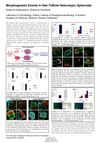
Researchers developed a method to create artificial hair follicles that may help with hair loss treatment and research.
 September 2017 in “Journal of Investigative Dermatology”
 The research concluded that hyaluronic acid affects the formation and growth of hair follicle-like structures in a lab setting.
May 2012 in “International Journal of Dermatology and Venereology” Hair growth and development are controlled by complex signaling pathways.