2 citations
,
October 2016 in “Nutrition in clinical practice” Vitamin B12 deficiency can cause facial dark spots that go away with treatment.
1 citations
,
January 2025 in “Regenerative Biomaterials” Exosomes from Pinctada martensii mucus can safely reduce melanin production, offering a new treatment for skin pigment issues.
18 citations
,
February 2001 in “Der Hautarzt” A woman with myotonic dystrophy had multiple skin tumors on her scalp, suggesting a genetic link.
 January 2024 in “Australasian journal of dermatology (Print)”
 A boy's hair turned red because of genetic mutations, not lack of zinc.
1 citations
,
June 2025 in “Pigment Cell & Melanoma Research” SASH1 gene mutations are linked to various inherited skin pigmentation disorders.
 March 2025 in “JDDG Journal der Deutschen Dermatologischen Gesellschaft”
 Facial hyperpigmentation improved with oral isotretinoin and ivermectin cream after Demodex mites were identified as the cause.
9 citations
,
June 2017 in “The American journal of dermatopathology/American journal of dermatopathology” The study found increased skin pigmentation and variable melanocyte density in a patient with Addison's disease.
26 citations
,
June 2004 in “Clinical Genetics” The keratin 5 mutation in a family with epidermolysis bullosa simplex was due to mosaicism, not a new mutation.
 23 citations
,
January 2015 in “Journal of The American Academy of Dermatology”
23 citations
,
January 2015 in “Journal of The American Academy of Dermatology” People with myotonic dystrophy type 1 have a higher chance of getting skin tumors, including melanoma.
 January 2017 in “Archives of clinical and biomedical research”
 Enhancing melanin's energy generation may help treat alopecia areata.
 25 citations
,
December 2008 in “Journal of Dermatological Case Reports”
25 citations
,
December 2008 in “Journal of Dermatological Case Reports” Skin color may change how alopecia areata looks under a dermoscope.
36 citations
,
June 2016 in “Journal of dermatological treatment” The combination therapy significantly improved Riehl’s melanosis in patients without serious side effects.
 April 2024 in “The Indonesian Biomedical Journal”
 Melanocyte stem cells from non-affected skin in vitiligo patients can become functional melanocytes for potential therapy.
 4 citations
,
May 2018 in “International Journal of Molecular Sciences”
4 citations
,
May 2018 in “International Journal of Molecular Sciences” The research showed how melanocytes develop, move, and respond to UV light, and their stem cells' role in hair color and skin cancer risk.
 September 2017 in “Journal of Investigative Dermatology Symposium Proceedings”
 A 73-year-old woman with Hypopigmented Mycosis Fungoides, a rare skin lymphoma, experienced disease progression despite treatment, emphasizing the need for ongoing monitoring.
8 citations
,
May 2003 in “Clinical and Experimental Dermatology” A 14-year-old girl's black hair showed unique color changes, suggesting early greying.
10 citations
,
June 2009 in “Acta Biochimica Polonica” Old C57BL/6 mice with unsynchronized hair cycles show less melanin in their spleens.
 1 citations
,
October 2022 in “Dermatology practical & conceptual”
1 citations
,
October 2022 in “Dermatology practical & conceptual” Isolated patchy heterochromia with pili annulati can occur without other health issues.
January 2026 in “JDDG Journal der Deutschen Dermatologischen Gesellschaft” A 5-year-old boy has Nevus Comedonicus Syndrome, causing skin lesions and a cataract.
Retinoids or their analogs could treat skin pigmentation disorders like melasma and vitiligo.
 9 citations
,
July 2010 in “British Journal of Dermatology”
9 citations
,
July 2010 in “British Journal of Dermatology” The document suggests a rare skin condition might be caused by a genetic phenomenon.
2 citations
,
January 2002 in “Clinics in Dermatology” Vitiligo causes white skin patches, often starts before age 20, and is linked to other health issues.
 1 citations
,
March 2024 in “Ophthalmic Plastic and Reconstructive Surgery”
1 citations
,
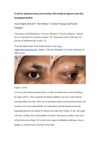
March 2024 in “Ophthalmic Plastic and Reconstructive Surgery” A pilomatrixoma in the eyebrow can cause hair loss and skin lightening.
 41 citations
,
December 2018 in “Experimental Dermatology”
41 citations
,
December 2018 in “Experimental Dermatology” Understanding how melanocyte stem cells work could lead to new treatments for hair graying and skin pigmentation disorders.
25 citations
,
May 1995 in “Journal of the American Academy of Dermatology” Erythromelanosis follicularis faciei can also affect women, though it's rare.
September 2018 in “CRC Press eBooks” Hair and nail disorders can cause changes in scalp pigmentation, especially with sun exposure and alopecia.
9 citations
,
September 2020 in “Journal of cosmetic dermatology” A woman developed vitiligo from repeated eyebrow microblading.
January 2005 in “Enlighten: Publications (The University of Glasgow)” Melanocyte pathology requires keratinocyte hyperplasia and regulation dysfunction.
March 2005 in “Journal of the American Academy of Dermatology” Recognizing minor skin lesions can help identify serious cancer syndromes.
 November 2023 in “The journal of investigative dermatology/Journal of investigative dermatology”
 Removing MCPIP1 from myeloid cells in mice leads to hair loss and prevents skin tumors but causes pigmented spots.