PRP-exosomes improve hair growth and reduce inflammation.
 835 citations
,
October 2008 in “Nature Genetics”
835 citations
,
October 2008 in “Nature Genetics” Lgr5 is a marker for active, long-lasting stem cells in mouse hair follicles.
 23 citations
,
May 1998 in “Journal of Dermatological Science”
23 citations
,
May 1998 in “Journal of Dermatological Science” Insulin or IGF-I is needed for hair growth in newborn mice, while minoxidil helps adult mouse hair grow, suggesting a way to study human hair loss.
 12 citations
,
August 1984 in “Genetics Research”
12 citations
,
August 1984 in “Genetics Research” The N gene affects the protein makeup of mouse hair.
168 citations
,
January 2005 in “Journal of Investigative Dermatology” Male and female mice have different skin thickness, and hormones affect their skin and hair growth differently.
127 citations
,
November 2010 in “Pigment cell & melanoma research” We need more research on human hair follicle pigmentation, not just mouse models.
 205 citations
,
April 2005 in “Journal of Investigative Dermatology”
205 citations
,
April 2005 in “Journal of Investigative Dermatology” Scientists have found a way to create hair follicles from skin cells of newborn mice, which can grow and cycle naturally when injected into adult mouse skin.
 25 citations
,
May 1994 in “Journal of Investigative Dermatology”
25 citations
,
May 1994 in “Journal of Investigative Dermatology” Researchers found a new gene, hacl-1, that is active in mouse hair follicles during hair growth and may be important for hair biology.
 April 2019 in “Radiotherapy and oncology”
 HPV infection is linked to better survival in advanced anal cancer, higher radiation doses improve survival, especially in HPV-negative patients, and prostaglandin E₂ pretreatment can protect mouse hair follicles from radiation damage.
45 citations
,
June 2018 in “Frontiers in immunology” MDSC-Exo can treat autoimmune alopecia areata and promote hair regrowth in mice.
 12 citations
,
January 2021 in “Journal of Investigative Dermatology”
12 citations
,
January 2021 in “Journal of Investigative Dermatology” Hair follicle studies suggest that maintaining telomere length could help treat hair loss and graying, but it's uncertain if mouse results apply to humans.
2 citations
,
May 2023 in “The Journal of Immunology” NXC736 significantly reduced hair loss in mice with alopecia areata.
3 citations
,
August 2022 in “International Journal of Molecular Sciences” TSC2-/meth cells can cause skin lesions, hair growth, and lung issues, and may be treated with chromatin remodeling agents.
November 2005 in “PubMed” The hairless gene in Kunming mice is important for hair and skin, and shows genetic variations.

Some dog skin mousse products with certain chemicals can prevent bacterial growth for up to 14 days, but effectiveness varies with hair length and product ingredients.
11 citations
,
October 2005 in “Toxicological Sciences” Cigarette smoke condensates increase tumor-promoting markers in mouse skin, especially around hair follicles.
 6 citations
,
August 2014 in “Toxicologic pathology”
6 citations
,
August 2014 in “Toxicologic pathology” Blocking DGAT1 reduces oil gland size in mice and dogs, but only mice experience hair loss.
 26 citations
,
March 2015 in “Phytotherapy Research”
26 citations
,
March 2015 in “Phytotherapy Research” Forsythiaside-A, a natural substance, can protect against hair loss and is more effective than current treatments, potentially making it a good option for hair loss treatment.
13 citations
,
August 2007 in “Journal of Investigative Dermatology” Mouse hair can regrow in a special lab setup without serum.
 August 2022 in “bioRxiv (Cold Spring Harbor Laboratory)”
 Mouse touch-sensitive nerve cells adjust their connections based on competition with other similar cells.
1 citations
,
January 2024 in “Animal Research and One Health” Mouse models are essential for studying and improving genetic traits in agriculture.
 September 2019 in “Journal of Investigative Dermatology”
 Mouse skin fibroblasts vary in function and adaptability based on their environment.
22 citations
,
July 1998 in “Journal of Investigative Dermatology” The 4C32 gene may help in mouse skin development and differentiation.
2 citations
,
May 2023 in “Biology” New mouse models of Pemphigus show severe symptoms and need better treatments.
January 2011 in “Junshi yixue” A mouse model for studying scleroderma in chronic graft-versus-host disease was successfully created.
91 citations
,
December 2000 in “The journal of cell biology/The Journal of cell biology” Scientists successfully created mouse hair proteins in the lab, which are stable and similar to natural hair.
 31 citations
,
November 2016 in “Cell Reports”
31 citations
,
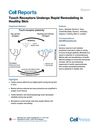
November 2016 in “Cell Reports” Touch sensitivity in mouse skin decreases during hair growth due to changes in touch receptors.
July 2024 in “Journal of Controlled Release” Nanostructured lipid carriers effectively deliver tofacitinib to hair follicles, reversing hair loss in alopecia areata.
 57 citations
,
February 1994 in “Experimental dermatology”
57 citations
,
February 1994 in “Experimental dermatology” Melatonin affects mouse skin and may regulate skin functions.
 July 2025 in “Advanced Science”
 Collagen VI and Semaphorin 3C are important for hair pigmentation and could help treat pigmentation disorders.