 2 citations
,
October 2010 in “Journal of dermatological treatment”
2 citations
,
October 2010 in “Journal of dermatological treatment” External treatments can change hair growth patterns in nude mice.
 March 2020 in “Central European Journal of Biology”
 The study found that stem cells and neutrophils are important for regenerating hair follicle structures in mice.
February 1999 in “The anatomical record” Two mouse mutants have defective hair cuticle cross-linking.
 1 citations
,
April 2024 in “Journal of Pharmaceutical and Pharmacological Sciences”
1 citations
,
April 2024 in “Journal of Pharmaceutical and Pharmacological Sciences” The mouse models are effective for testing new hair loss treatments.
 September 2023 in “Cells tissues organs”
 Mice skin matures by day 200, leading to aging signs like curved hair follicles and white hairs due to changes in skin stem cells.
 December 2013 in “Appetite”
 A defective gene causes hair loss and taste insensitivity in BTBR mice.
10 citations
,
November 2008 in “Veterinary Dermatology” The mouse hairy ears mutation causes longer ear hair due to changes in gene expression.
 8 citations
,
January 2015 in “Clinical and Experimental Dermatology”
8 citations
,
January 2015 in “Clinical and Experimental Dermatology” A new model for hair regeneration in mice was created in 2015, which is faster and less invasive than the old method, producing normal hairs in about 21 days.
 September 2019 in “Journal of Investigative Dermatology”
 Researchers successfully used nude mice to study human hair growth, which could help with future hair research.
32 citations
,
January 2017 in “Physiology & Behavior” New hair growth corticosterone levels are higher in diabetic mice, indicating long-term stress.
 6 citations
,
April 2017 in “Journal of Dermatological Science”
6 citations
,
April 2017 in “Journal of Dermatological Science” Ovariectomized mice mimic postmenopausal hair loss, and estradiol helps maintain hair density.
Researchers made a mouse model with curly hair and hair loss by editing a gene.
EGF affects hair and skin development.
 March 2021 in “British Journal of Dermatology”
 PRP helps hair regrowth and thickness.
169 citations
,
January 2018 in “Cell Reports” Scientists grew hair follicles from mouse stem cells in a lab setting.
140 citations
,
August 2010 in “Pigment Cell & Melanoma Research” We know a lot about mouse hair color, but not much about human hair color differences.
106 citations
,
February 2014 in “eLife” Lanceolate complexes in mouse hair follicles are essential for touch and depend on specific cells for maintenance and regeneration.
 40 citations
,
November 1998 in “The journal of investigative dermatology/Journal of investigative dermatology”
40 citations
,
November 1998 in “The journal of investigative dermatology/Journal of investigative dermatology” S100A3 protein is crucial for hair shaft formation in mice.
 29 citations
,
January 2013 in “International Journal of Medical Sciences”
29 citations
,
January 2013 in “International Journal of Medical Sciences” Wnt10b helps hair follicle cells mature and produce pigment.
 23 citations
,
September 2017 in “The journal of investigative dermatology/Journal of investigative dermatology”
23 citations
,
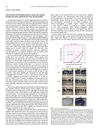
September 2017 in “The journal of investigative dermatology/Journal of investigative dermatology” NF-κB is crucial for different stages and types of hair growth in mice.
 23 citations
,
September 2011 in “Journal of Dermatological Science”
23 citations
,
September 2011 in “Journal of Dermatological Science” Red LED light helps mouse hair grow by increasing growth factors from skin cells.
23 citations
,
February 2004 in “British Journal of Dermatology” Keratin in mouse hair follicles is complex and plays specific roles.
 22 citations
,
February 2017 in “Clinical and Experimental Dermatology”
22 citations
,
February 2017 in “Clinical and Experimental Dermatology” Icariin helps mouse hair grow by boosting a growth factor in skin cells.
15 citations
,
June 2015 in “PLoS ONE” Thymosin beta-4 promotes hair growth in mice.
11 citations
,
October 2002 in “Genetics” A new mouse hair mutation, called hague, is semidominant and unstable, but the exact cause is unknown.
 June 2026 in “The Journal of the Kyushu Dental Society”
 A new mouse model using pyroxylin can promote hair growth and may help develop human hair growth treatments.
July 2024 in “Acta Histochemica” Exosomes from human stem cells can help regrow hair in mice.
 March 1998 in “Journal of dermatological science”
 Diphencyprone initially increases mouse hair growth, then slows it, possibly due to changes in specific protein levels.
 July 1995 in “Journal of Dermatological Science”
 Cyclosporine starts hair growth faster, while minoxidil makes it last longer.
28 citations
,
June 1994 in “Journal of Dermatological Science” Proteolytic activity in mouse skin changes with hair cycle stages, peaking in early anagen.