
Male androgenetic alopecia (MAA) is a common, hereditary hair loss condition in men, linked to heart disease, and can be treated with minoxidil, finasteride, or hair transplantation.
 March 2013 in “Molecular & Cellular Toxicology/Molecular & cellular toxicology”
 m-Aminophenol in hair dye can cause skin cell toxicity and stress responses.
16 citations
,
March 2015 in “Clinical and experimental dermatology” Mycophenolic acid may help treat hair loss by promoting hair growth and cell proliferation.
 1 citations
,
May 2019 in “Journal of The American Academy of Dermatology”
1 citations
,
May 2019 in “Journal of The American Academy of Dermatology” Mobile app ImageMeter calculates scalp area faster and reliably for alopecia treatment.
Polyglutamic acid is a valuable, sustainable ingredient for skincare and haircare products.
 94 citations
,
August 1975 in “Journal of Cutaneous Pathology”
94 citations
,
August 1975 in “Journal of Cutaneous Pathology” Male pattern baldness involves smaller hair follicles, larger oil glands, and other tissue changes, but not major blood supply issues.
 August 1946 in “Journal of the American Medical Association”
 Companies agreed to stop false advertising about their products' health benefits.
48 citations
,
June 2000 in “Japanese Journal of Cancer Research” Dimethylarsinic acid speeds up skin tumor growth in certain mice.
 December 2024 in “Journal of Cosmetic Dermatology”
 ME1 and PPAR signaling may influence hair loss in androgenetic alopecia.
75 citations
,
June 2007 in “Journal of Biological Chemistry” MT-DADMe-ImmA can selectively kill head and neck cancer cells without harming normal cells.
 January 2011 in “Journal of Society of Cosmetic Chemists of Japan”
 18-MEA and SPDA can restore damaged hair's smoothness and reduce frizz.
2 citations
,
January 2024 in “Revista Paulista de Pediatria” A rare genetic mutation caused severe symptoms in a 6-year-old girl with mandibuloacral dysplasia type A.
 January 2024 in “Pharmaceutical medicine”
 Most European physicians know the risks and safe use of Cyproterone acetate, but few remember receiving official safety communications.
 77 citations
,
January 1980 in “Carcinogenesis”
77 citations
,
January 1980 in “Carcinogenesis” TPA is about 50 times more effective at promoting tumors than MZ.
The document explains how to measure sales and marketing success and warns about misusing these measurements.
1 citations
,
April 2024 in “JAAD International” Adults with alopecia areata stick to their medication better than those with atopic dermatitis.
22 citations
,
August 1999 in “Mechanisms of Development” Pmg-1 and Pmg-2 are new genes important for skin and mammary gland development.
11 citations
,
November 2019 in “The FASEB Journal” A mutation in the MAP2 gene causes reduced hair follicle density, leading to hairlessness.
 April 2020 in “Journal of The American Academy of Dermatology”
 SMAs improve patient satisfaction and may be cost-effective for female hair loss.
 April 2026 in “Human Genome Variation”
 The MBTPS2 gene variant c.970+5G>A is a common mutation causing IFAP syndrome.
86 citations
,
January 2020 in “British Journal of Dermatology” The AA-IGA scale reliably measures treatment success in alopecia areata by considering both clinician and patient views.
September 2023 in “Journal of the American Academy of Dermatology” Recognizing IPPP is crucial to prevent misdiagnosis and unnecessary treatments.
 January 2026 in “Frontiers in Digital Health”
 Motion-graphic videos improve patient understanding more than verbal explanations for platelet-rich plasma therapy.
 1 citations
,
January 2018 in “Acta dermato-venereologica”
1 citations
,
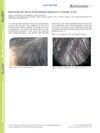
January 2018 in “Acta dermato-venereologica” A teenager's hair with alternating white and dark bands, known as Pili annulati, is a genetic condition that is usually harmless and often considered attractive.
6 citations
,
December 2023 in “Journal of Molecular Cell Biology” Removing Gsdma1/2/3 genes reduces skin cell overgrowth by blocking a specific cell pathway.
151 citations
,
August 2011 in “The EMBO Journal” The enzyme PA-PLA1α is important for proper hair follicle development.
June 2026 in “Value in Health” 1 citations
,
January 2022 in “Annals of Dermatology” A new mutation in the MBTPS2 gene causes a mild form of IFAP syndrome.
 January 1999 in “American Journal of Medical Genetics Part A”
 The report expanded knowledge of MBTPS1-related disorders by identifying new symptoms.
1 citations
,
March 2025 in “Pediatric Dermatology” New tools help doctors better assess and treat alopecia areata in kids by considering more than just hair loss.