 April 2012 in “Informa Healthcare eBooks”
 Lichen planopilaris is a rare, chronic condition causing hair loss, mainly in middle-aged women, and early treatment is important to prevent permanent baldness.
 160 citations
,
March 2009 in “Seminars in Cutaneous Medicine and Surgery”
160 citations
,
March 2009 in “Seminars in Cutaneous Medicine and Surgery” New insights show Lichen Planopilaris is a rare, scarring hair loss condition, hard to treat, mainly affecting middle-aged women, and significantly impacts mental health.
 5 citations
,
January 2016 in “Skin appendage disorders”
5 citations
,
January 2016 in “Skin appendage disorders” A rare skin condition called linear lichen planopilaris caused itchy red bumps and hair loss on a man's face.
 12 citations
,
January 2015 in “Indian Journal of Dermatology, Venereology and Leprology”
12 citations
,
January 2015 in “Indian Journal of Dermatology, Venereology and Leprology” A mother and daughter with similar hair loss conditions and identical HLA types suggest a genetic link between the conditions.
 47 citations
,
June 2014 in “Journal of Dermatological Treatment”
47 citations
,
June 2014 in “Journal of Dermatological Treatment” Most treatments for lichen planopilaris were found to be generally unsatisfactory.
 23 citations
,
January 2010 in “Journal of The American Academy of Dermatology”
23 citations
,
January 2010 in “Journal of The American Academy of Dermatology” Effective treatments for lichen planopilaris are unclear due to inconsistent results and a lack of strong research evidence.
 16 citations
,
June 2015 in “Pediatric dermatology”
16 citations
,
June 2015 in “Pediatric dermatology” Lichen Planopilaris in teens is rare, often misdiagnosed, and responds well to steroids.
 4 citations
,
October 2024 in “BMC Oral Health”
4 citations
,
October 2024 in “BMC Oral Health” Platelet-rich fibrin shows promise for treating oral lesions but needs more research.

Early diagnosis and treatment of Lichen Planopilaris are crucial to prevent permanent hair loss.

Antimalarial agents are effective for LPP, and intralesional steroids are effective for FFA.
 June 2017 in “Journal of The American Academy of Dermatology”
 Most men with lichen planopilaris had it confirmed by biopsy and often had thyroid issues, sexual dysfunction, or prostate cancer, hinting at a link with hormonal problems.
 37 citations
,
October 2015 in “Anais Brasileiros de Dermatologia”
37 citations
,
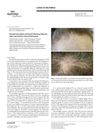
October 2015 in “Anais Brasileiros de Dermatologia” Lichen planopilaris mostly affects women with fair skin and can look different on each person, needing early treatment to prevent hair loss.
 13 citations
,
September 2017 in “Skin appendage disorders”
13 citations
,
September 2017 in “Skin appendage disorders” Some women with Frontal Fibrosing Alopecia also have Lichen Planopilaris, which can lead to more symptoms and affect hair outside the scalp.

Deucravacitinib improves symptoms and reduces inflammation in Lichen Planopilaris.
 5 citations
,
April 2014 in “The American Journal of Dermatopathology”
5 citations
,
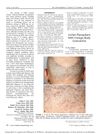
April 2014 in “The American Journal of Dermatopathology” Foreign-body granuloma may be a marker for late-stage Lichen Planopilaris and should be considered in diagnosis.
 57 citations
,
June 2018 in “Nutrients”
57 citations
,
June 2018 in “Nutrients” Celiac disease can cause skin problems that may get better with a gluten-free diet.
 4 citations
,
March 2010 in “International Journal of Oral Science”
4 citations
,
March 2010 in “International Journal of Oral Science” Xianhuayin effectively reverses early cancerous lesions in hamster mouth tissue.
 179 citations
,
October 2018 in “American Journal of Clinical Dermatology”
179 citations
,
October 2018 in “American Journal of Clinical Dermatology” Cancer treatments targeting specific cells and the immune system can cause skin, mouth, hair, and nail problems, affecting patients' quality of life and treatment adherence.
 October 2023 in “International Journal of Science and Research (IJSR)”
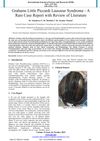
 Early diagnosis of GLPLS is crucial to prevent complications, but scarring alopecia is irreversible.
 49 citations
,
January 2003 in “Clinical and Experimental Dermatology”
49 citations
,
January 2003 in “Clinical and Experimental Dermatology” The document concludes that post-menopausal frontal fibrosing alopecia is a poorly understood condition that does not respond well to common treatments.
 166 citations
,
April 2012 in “Journal of The American Academy of Dermatology”
166 citations
,
April 2012 in “Journal of The American Academy of Dermatology” Mostly postmenopausal Caucasian women get Frontal Fibrosing Alopecia, which often includes eyebrow loss and has limited treatment success.
 41 citations
,
July 2017 in “Journal of The American Academy of Dermatology”
41 citations
,
July 2017 in “Journal of The American Academy of Dermatology” Men with Frontal fibrosing alopecia typically lose hair on the front scalp and sometimes on sideburns and upper lip, with treatments showing varied success.
 39 citations
,
August 2005 in “Dermatologic surgery”
39 citations
,
August 2005 in “Dermatologic surgery” Micropigmentation is a widely accepted tattooing technique for hiding cosmetic issues and medical uses, with permanent results and few side effects, but risks infection if not done with sterile tools.
 12 citations
,
January 2017 in “Skin appendage disorders”
12 citations
,
January 2017 in “Skin appendage disorders” Two patients with skin lupus were mistakenly thought to have a different scalp condition but improved with lupus treatment.
 4 citations
,
March 2017 in “Journal of evolution of medical and dental sciences”
4 citations
,
March 2017 in “Journal of evolution of medical and dental sciences” Older adults often have dry skin and itching, with high blood pressure frequently linked to skin problems.

Certain skin and family history markers predict vitiligo severity and treatment needs.
 July 2011 in “British Journal of Dermatology”
 Dermatologists give better information on pathology forms, hypersensitivity vasculitis is a common skin issue, misdiagnoses can occur, and various skin conditions are linked to loss of elastin or genetic factors.
 21 citations
,
June 2020 in “Dermatologic Therapy”
21 citations
,
June 2020 in “Dermatologic Therapy” The COVID-19 pandemic led to fewer dermatology visits and changed the types of skin conditions patients experienced.
 18 citations
,
November 2012 in “Australasian Journal of Dermatology”
18 citations
,
November 2012 in “Australasian Journal of Dermatology” A 66-year-old man with a rare case of male frontal fibrosing alopecia did not regrow hair despite treatment.
Different connective tissue disorders have unique symptoms and treatments, with varying outcomes and often require ongoing care from a specialist.