Search
for
Sort by
Research
60-90 / 1000+ results
research VIII International Conference "Interdisciplinary aspects of diseases of the skin and mucous membranes" 11-12th March 2022
Higher IL-31 levels are linked to worse itching in chronic kidney disease patients.

research 4. Bullous/Mucous Membrane
High blood pressure drugs often cause skin lupus, stopping the drug usually helps. A vaccine helps prevent genital herpes and HPV-16. More frequent light therapy clears psoriasis faster. No link was found between low iron and chronic hair loss.
research Detection of human papillomavirus type 56 DNA, belonging to a mucous high-risk group, in hair follicles in the genital area of a woman no longer suffering from viral warts
HPV type 56 can hide in hair follicles even without visible warts.

research Development of the CLASI as an outcome instrument for cutaneous lupus erythematosus
The CLASI is a reliable tool for measuring the severity of cutaneous lupus erythematosus.

research Physiologic changes of pregnancy: A review of the literature
Most pregnant women experience skin darkening and hair changes, with these effects usually going away after giving birth.

research Severe Physical Complications among Survivors of Stevens–Johnson Syndrome and Toxic Epidermal Necrolysis
SJS/TEN survivors often have severe, overlooked long-term physical problems that are not properly treated after leaving the hospital.
research Epidermolysis bullosa in animals: a review
Epidermolysis bullosa is a genetic disease causing fragile skin and blisters in both animals and humans.

research Clinical Case Notes. Tamoxifen optic neuropathy
A boy with chromosome 13q deletion syndrome developed eye cancer, a woman with breast cancer lost vision due to a rare side-effect of her treatment, a man's vision worsened after using a hair loss drug, and two rare disorders were discussed. Optical Coherence Tomography is useful for diagnosing and monitoring these conditions.

research Clinical Case Notes. Intraorbital ophthalmic artery aneurysms
Eye exams are crucial for kids with 13q deletion syndrome, tamoxifen can cause vision loss, Propecia may lead to cataracts, Lipoid Proteinosis causes skin bumps, and OCT is useful for diagnosing macular diseases.

research Clinical Case Notes. Lipoid proteinosis: a rare disorder with pathognomonic lid lesions
A baby boy with 13q deletion syndrome had eye cancer, a woman's vision improved after stopping a breast cancer drug, a man developed cataracts from using Propecia, and a rare skin disorder called Lipoid Proteinosis was discussed. Also, a tool called OCT is useful for diagnosing macular diseases.

research Hair Loss in Autoimmune Cutaneous Bullous Disorders
Hair loss in autoimmune blistering skin diseases varies and may regrow with disease control.

research Frontal fibrosing alopecia: a disease that remains enigmatic
Frontal fibrosing alopecia is a poorly understood condition with increasing cases and unclear treatment effectiveness.
research Keratoacanthoma of the lip: A case report with emphasis on histogenesis
Keratoacanthomas on lips may originate differently than those on skin.
research Trichogram findings in pemphigus patients
Hair changes may indicate disease activity in pemphigus patients.

research Clinical Case Notes. Optical coherence tomography of adult-onset foveomacular vitelliform dystrophy
Multiple eye conditions were studied, highlighting the importance of various imaging methods for diagnosis, the vision side effects of drugs tamoxifen and Propecia, and the usefulness of optical coherence tomography for diagnosing and monitoring macular and retinal diseases.

research Low concentration zinc sulphate solution in the management of recurrent herpes simplex infection
Zinc sulphate solution was not effective in reducing the number, duration, or severity of recurrent herpes simplex infections.
research Oral lichen planus preceding concomitant lichen planopilaris
Oral lichen planus can appear before lichen planopilaris.
research A blistering child: sudden erythema with blisters in a sick girl
Gene sequencing is essential for diagnosing junctional epidermolysis bullosa.

research 574 Comparative analysis of quality of life impact in patients with autoimmune blistering disease
Patients with autoimmune blistering diseases experience a reduced quality of life, with the need for better measurement tools, especially for those with mucous membrane pemphigoid.

research Role of direct immunofluorescence on outer root sheath of hair follicle in monitoring disease activity of pemphigus vulgaris
Testing hair roots with a special dye is a simple, non-invasive way to check disease progress in pemphigus vulgaris patients.

research Regeneration of Human Scar Tissue with Topical Iodine: A Preliminary Report—Part 2
Topical iodine can help regenerate human scar tissue quickly.
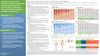
research All Subcomponents of the Cutaneous Lupus Erythematosus Disease Area and Severity Index–Activity (CLASI-A) are Relevant to Identify and Detect Changes in Skin Activity
All parts of the CLASI-A score are important for assessing skin activity in cutaneous lupus erythematosus.

research 162 A review of the clinical and histopathological characteristics of patients with subepidermal blistering disorders presenting to a tertiary care centre in India
Most patients with blistering skin disorders in South India had bullous pemphigoid and often had other conditions like hypertension and diabetes.

research A prospective case control study on metabolic syndrome in lichen planus in a tertiary care centre
Lichen planus is not linked to metabolic syndrome, but it is associated with higher rates of high blood pressure, high triglycerides, and low HDL cholesterol.

research Dermatological history and examination
A thorough history and examination are crucial for diagnosing skin diseases, which affect up to a third of people. This includes details about skin lesions, medication, general health, lifestyle, family, and contacts, as well as examining the rash, hair, nails, and mucous membranes. Changes in hair and nails can also indicate other medical and skin disorders.

research Cutaneous mycoses in the elderly
Skin fungal infections are more common in older adults due to factors like obesity, poor circulation, reduced mobility, and weakened immune defenses from certain medications.
research Cutaneous Manifestations of Endocrine Disease
Endocrine diseases in children can cause various skin and hair changes.

research British Hair and Nail Society
Men with a certain type of hair loss often use facial moisturizers, and a specific antibiotic treatment may help another hair condition.
research Prevalência e fatores relacionados às reações adversas no tratamento da acne com isotretinoína
Adverse reactions to isotretinoin in acne treatment are common and mainly linked to treatment duration.