 December 2023 in “JCEM case reports”
 A new gene variant causes glucocorticoid resistance in a mother and son.
 September 2025 in “OBM Genetics”
 Early diagnosis and comprehensive management improve life quality for Netherton syndrome patients.
September 2006 in “Pediatrics in Review” Early diagnosis and treatment are crucial for complex medical conditions.
April 2012 in “Neuropediatrics” Trichothiodystrophy is a rare genetic disorder causing hair issues and sometimes linked to DNA repair defects.
 June 2026 in “Dermatology and Therapy”
 Ritlecitinib provides new treatment options for diverse alopecia areata patients.
 December 2022 in “Biological and Clinical Sciences Research Journal”
 Early treatment of mixed connective tissue disease is crucial to prevent severe autoimmune conditions.
 December 2025 in “Cureus”
 Alopecia areata and psoriasis vulgaris can inhibit each other in the same areas.
 November 2022 in “Journal of Investigative Dermatology”
 Most Recessive Dystrophic Epidermolysis Bullosa patients with a specific mutation likely have Sephardic ancestry from about 500 years ago.
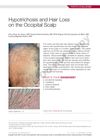 September 2023 in “Cutis”
 A baby girl has a hair disorder called monilethrix, causing fragile hair that may improve over time.
175 citations
,
September 1998 in “British Journal of Dermatology” Keratin 17 gene mutations cause both steatocystoma multiplex and pachyonychia congenita type 2.
 1 citations
,
August 2018 in “bioRxiv (Cold Spring Harbor Laboratory)”
1 citations
,
August 2018 in “bioRxiv (Cold Spring Harbor Laboratory)” A new mutation in the TMEM173 gene and a risk allele in IFIH1 cause a unique set of immune-related symptoms.
November 2019 in “European journal of internal medicine” A Laotian man with unusual skin changes and multiple growths in his gut was diagnosed with Cronkhite-Canada Syndrome and improved with nutritional and immune-based treatments.
 September 2024 in “Journal of Medicine and Life”
 A specific gene mutation causes a severe skin disorder in a family.
18 citations
,
July 2010 in “Journal of the American Academy of Dermatology” Folliculotropic mycosis fungoides can look like alopecia areata.
January 2026 in “Human Mutation” T cell subsets are crucial in kidney cancer, and a new model predicts patient outcomes using key genes.
 March 2021 in “Indian Journal of Case Reports”
 A young woman with late-stage Vogt-Koyanagi-Harada disease was successfully treated at a hospital.
 January 2024 in “American journal of clinical dermatology”
 Ritlecitinib is safe and well-tolerated for treating alopecia areata in patients aged 12 and older.
 1 citations
,
April 2017 in “Journal of Investigative Dermatology”
1 citations
,
April 2017 in “Journal of Investigative Dermatology” A new one-step test can quickly identify skin cancer during surgery.
November 2025 in “SKIN The Journal of Cutaneous Medicine” Ritlecitinib is generally safe for adolescents with alopecia areata over 5 years.
6 citations
,
May 2000 in “Pediatric Dermatology” KID syndrome should be reclassified as an ectodermal dysplasia.
December 2019 in “The American Journal of Gastroenterology” Small bowel lesions in Cronkhite-Canada syndrome persist despite steroid treatment.
1 citations
,
September 2023 in “Journal of the American Academy of Dermatology” Continued ritlecitinib treatment can lead to hair regrowth in some patients with alopecia areata who initially don't respond.
April 2023 in “Journal of Investigative Dermatology” Increased TEMRA cells can predict treatment outcomes in rapidly progressive alopecia areata.
 August 2022 in “JAAD case reports”
 A woman with a long-term skin condition developed a serious skin cancer that led to her death.
 January 2012 in “Journal of Investigative Dermatology”
 Some Greek melanoma patients have gene mutations linked to increased cancer risk, a new color feature helps diagnose melanoma, the incidence of a skin condition in the Netherlands is rare, and a gene possibly affects male-pattern baldness.
5 citations
,
January 2002 in “European journal of pediatrics” "D-CHRAMPS syndrome" is a newly identified condition with multiple severe symptoms.
February 2016 in “Journal of Allergy and Clinical Immunology” Consider DRIF and perform skin biopsies for persistent papular rashes.
September 2011 in “Chinese Journal of Dermatology” A man's skin condition was misdiagnosed and later identified as a rare type of skin cancer, which did not improve with treatment.
January 2013 in “International Journal of Trichology” Early diagnosis and a multidisciplinary approach are crucial for children with Trichothiodystrophy and hidden learning disorders.
November 2024 in “Rheumatology Advances in Practice” Visceral leishmaniasis can mimic rheumatoid arthritis symptoms, especially in immunocompromised patients.