 36 citations
,
September 2009 in “Journal of Cellular and Molecular Medicine”
36 citations
,
September 2009 in “Journal of Cellular and Molecular Medicine” New treatments targeting skin stem cells show promise for skin repair, anti-aging, and cancer therapy.
 34 citations
,
June 2008 in “In vitro cellular & developmental biology. Animal”
34 citations
,
June 2008 in “In vitro cellular & developmental biology. Animal” Scientists created a long-lasting stem cell line from human hair that can turn into different skin and hair cell types.
 26 citations
,
March 2018 in “Dermatology and Therapy”
26 citations
,
March 2018 in “Dermatology and Therapy” EPC-CM can reduce skin aging signs by boosting the skin's defense system.
 10 citations
,
January 2014 in “BioMed research international”
10 citations
,
January 2014 in “BioMed research international” Rat whisker cells can help turn other cells into nerve cells and might be used to treat brain injuries or diseases.
 6 citations
,
May 2021 in “Stem Cell Reviews and Reports”
6 citations
,
May 2021 in “Stem Cell Reviews and Reports” Newly found stem cells in horse hooves show promise for treating a hoof disease called laminitis.
 August 2023 in “Scientific reports”
 Human stem cells were turned into cells similar to those that help grow hair and showed potential for hair follicle formation.
 555 citations
,
July 2001 in “Genes & Development”
555 citations
,
July 2001 in “Genes & Development” Tcf3 and Lef1 are key in deciding skin stem cell roles.
 291 citations
,
October 2005 in “Proceedings of the National Academy of Sciences of the United States of America”
291 citations
,
October 2005 in “Proceedings of the National Academy of Sciences of the United States of America” Adult stem cells from rat whisker follicles can regenerate hair follicles and sebaceous glands.
 37 citations
,
January 2009 in “The Journal of Dermatology”
37 citations
,
January 2009 in “The Journal of Dermatology” Hair follicle stem cells can turn into various cell types and help repair nerves.
 12 citations
,
September 2020 in “Stem cell research & therapy”
12 citations
,
September 2020 in “Stem cell research & therapy” Adult skin cell-based early-stage skin substitutes improve wound healing and hair growth in mice.
 11 citations
,
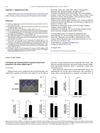
June 2012 in “Journal of Dermatological Science”
11 citations
,
June 2012 in “Journal of Dermatological Science” Scientists identified a group of human skin cells with high growth and regeneration potential.
 April 2025 in “Cellular and Molecular Biology”
 Human dermal stem/progenitor cells can divide and differentiate more than hair follicle dermal papilla cells.
 29 citations
,
December 2012 in “Fibrogenesis & Tissue Repair”
29 citations
,
December 2012 in “Fibrogenesis & Tissue Repair” Adult stem cells are important for tissue repair and have therapeutic potential, but more research is needed to fully use them.
 96 citations
,
June 2017 in “Nature Communications”
96 citations
,
June 2017 in “Nature Communications” A WNT10A gene mutation leads to ectodermal dysplasia by disrupting cell growth and differentiation.
 29 citations
,
December 2016 in “The EMBO Journal”
29 citations
,
December 2016 in “The EMBO Journal” Gata6 is important for protecting hair growth cells from DNA damage and keeping normal hair growth.
 7 citations
,
September 2020 in “Frontiers in Cell and Developmental Biology”
7 citations
,
September 2020 in “Frontiers in Cell and Developmental Biology” IL-36α helps grow new hair follicles and speeds up wound healing.
 13 citations
,
February 2020 in “Cold Spring Harbor Perspectives in Biology”
13 citations
,
February 2020 in “Cold Spring Harbor Perspectives in Biology” New methods have helped find cells that create other cells in the body.
 65 citations
,
November 2012 in “Tissue Engineering Part B-reviews”
65 citations
,
November 2012 in “Tissue Engineering Part B-reviews” Hair follicle stem cells are a promising source for tissue repair and treating skin or hair diseases.
 61 citations
,
September 2008 in “Stem Cells”
61 citations
,
September 2008 in “Stem Cells” Most hair follicle stem cells do not protect their DNA by dividing it unevenly.
 301 citations
,
February 2019 in “Nature Communications”
301 citations
,
February 2019 in “Nature Communications” The research found that different types of fibroblasts are involved in wound healing and that some blood cells can turn into fat cells during this process.
 17 citations
,
December 2013 in “PLoS ONE”
17 citations
,
December 2013 in “PLoS ONE” The postnatal thymus has cells like mesenchymal stem cells that can become different cell types and help maintain thymus structure.
 June 2021 in “bioRxiv (Cold Spring Harbor Laboratory)”
 The gene Tfap2b is essential for creating a type of stem cell in zebrafish that can become different pigment cells.
 1 citations
,
January 2008 in “Springer eBooks”
1 citations
,
January 2008 in “Springer eBooks” Hair follicle stem cells can turn into many cell types and may help repair nerve damage and have other medical uses.
 61 citations
,
November 2004 in “Annals of the Academy of Medicine Singapore”
61 citations
,
November 2004 in “Annals of the Academy of Medicine Singapore” Hair follicle stem cells are mainly in the bulge region and can help repair skin and form hair and glands, but more research is needed to fully understand them.
 508 citations
,
February 2007 in “Cell”
508 citations
,
February 2007 in “Cell” Epithelial stem cells are crucial for tissue renewal and repair, and understanding them could improve treatments for damage and cancer.
 721 citations
,
October 2011 in “Nature”
721 citations
,
October 2011 in “Nature” Different types of long-lasting stem cells are responsible for the growth and upkeep of the mammary gland.
33 citations
,
October 2013 in “PloS one” Human sweat glands have a type of stem cell that can grow well and turn into different cell types.
 6 citations
,
May 2013 in “PloS one”
6 citations
,
May 2013 in “PloS one” The Foxn1(-/-) nude mouse shows disrupted and expanded skin stem cell areas due to high Lhx2 levels.
 6 citations
,
April 2010 in “Cellular Reprogramming”
6 citations
,
April 2010 in “Cellular Reprogramming” Pig skin cells can turn into mesodermal cells but lose their ability to become neural cells.
 835 citations
,
October 2008 in “Nature Genetics”
835 citations
,
October 2008 in “Nature Genetics” Lgr5 is a marker for active, long-lasting stem cells in mouse hair follicles.