 June 2024 in “Journal of Islamic International Medical College”
 Low zinc is linked to all alopecia types, and low copper is linked to male pattern alopecia.
January 2024 in “Revista Dermatológica Centro Uraga” Frontal fibrosing alopecia is increasingly affecting men, causing hair loss around the hairline and possibly other areas.
 16 citations
,
January 2015 in “Annals of Dermatology”
16 citations
,
January 2015 in “Annals of Dermatology” The study found specific hair and scalp patterns for different types of hair loss in Koreans, noting racial differences affect diagnosis.
 January 2026 in “Forum Dermatologicum”
 Thorough hair examination is crucial for accurate diagnosis and treatment.
2 citations
,
April 2025 in “Pediatric Dermatology” Macular alopecia is a distinct, non-scarring hair loss pattern that mostly affects young Hispanic/Latinx females and often resolves on its own.
 30 citations
,
November 2012 in “Anais Brasileiros De Dermatologia”
30 citations
,
November 2012 in “Anais Brasileiros De Dermatologia” Diagnosing diffuse alopecia, a hair loss condition, can be challenging and may require a scalp biopsy or tracking the disease's progression when symptoms and skin tests aren't enough.
June 2026 in “Clinical and Experimental Dermatology” Alopecia areata can cause rare changes in hair color and thickness.
 4 citations
,
January 2012 in “Springer eBooks”
4 citations
,
January 2012 in “Springer eBooks” The document concludes that signs of male and female pattern baldness include uneven hair thickness, yellow spots, skin discoloration around hair follicles, more thin and soft hairs, and many hair follicles with just one hair.
July 2026 in “Journal of Investigative Dermatology”  October 2025 in “International Journal of Molecular Sciences”
 Early intervention in patch-type alopecia may prevent progression to more severe forms by targeting immune pathways and preserving keratin.
 July 2023 in “Al-Azhar Assiut Medical Journal”
 Trichoscopy helps diagnose and manage hair and scalp disorders in children.
 1 citations
,
December 2013 in “Journal of Evolution of Medical and Dental Sciences”
1 citations
,
December 2013 in “Journal of Evolution of Medical and Dental Sciences” Alopecia areata causes patchy hair loss due to unknown factors, affecting all ages and genders.
January 2025 in “Surgical & Cosmetic Dermatology” Temporal triangular alopecia causes permanent hair loss and can be managed with treatments like minoxidil or hair transplantation.
 April 2016 in “Journal of The American Academy of Dermatology”
 The study found that severe alopecia areata affects any age, treatments often give temporary results, and some factors predict worse outcomes.
 16 citations
,
April 2011 in “Recent Patents on Inflammation & Allergy Drug Discovery”
16 citations
,
April 2011 in “Recent Patents on Inflammation & Allergy Drug Discovery” Alopecia Areata is an autoimmune disease causing hair loss in patches, often starting before age 20, and while some cases recover on their own, treatments include topical corticosteroids, minoxidil, and promising new methods like IL-31 antibodies and 308-nm Excimer laser therapy.
July 2019 in “Indian dermatology online journal” Alopecia areata can show unusual red-dotted vessels and dithranol treatment may mask typical patterns.
 25 citations
,
April 2007 in “Journal of The American Academy of Dermatology”
25 citations
,
April 2007 in “Journal of The American Academy of Dermatology” The document suggests "anisotrichosis" as a new term for hair thickness variation in common baldness.
 1 citations
,
March 2014 in “Turkderm”
1 citations
,
March 2014 in “Turkderm” Trichoscopy helps tell different hair loss types apart using specific scalp and hair patterns.
 1 citations
,
January 2021 in “Nihon rinsho hifukaikai zasshi”
1 citations
,
January 2021 in “Nihon rinsho hifukaikai zasshi” The document provides ways to tell alopecia areata from other similar hair loss conditions, using visual checks and specific tests.
January 2026 in “Dermatologic Therapy” Alopecia is more common in younger women, and many patients also have thyroid issues, especially subclinical hypothyroidism.
 January 2012 in “Yearbook of Dermatology and Dermatologic Surgery”
 Alopecia areata is a hair loss condition that often starts before age 30 and can affect various body parts, with unpredictable hair regrowth chances.
May 2025 in “Apollo Medicine” Trichoscopy is a useful tool for diagnosing and assessing the severity of alopecia areata.

Women with a certain type of hair loss have more copper in the back of their head than the front, and treatment can normalize hair but not copper levels.
 18 citations
,
June 2017 in “Journal of The American Academy of Dermatology”
18 citations
,
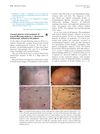
June 2017 in “Journal of The American Academy of Dermatology” Trichoscopy helps diagnose frontal fibrosing alopecia, even with unusual patterns.
8 citations
,
January 2020 Alopecia areata causes patchy hair loss, and certain hair features can suggest its presence.
January 2020 in “International journal of scientific research” Dermoscopy shows that varying hair shaft thickness and single hair follicles are main signs of male pattern baldness, especially in the fronto-temporal region.
July 2025 in “INTERNATIONAL JOURNAL OF SCIENTIFIC RESEARCH” Trichoscopy is crucial for diagnosing alopecia areata by identifying specific hair features.

Hair loss can be caused by hormones, illness, autoimmune disorders, or vitamin deficiencies, and treatments vary depending on the type.
 July 2023 in “IntechOpen eBooks”
 Some types of hair loss can be reversed, others are permanent, and treatments vary by type.
 5 citations
,
August 2013 in “Facial plastic surgery clinics of North America”
5 citations
,
August 2013 in “Facial plastic surgery clinics of North America” Use a frontal forelock pattern to manage advanced hair loss.