 57 citations
,
February 1994 in “Experimental dermatology”
57 citations
,
February 1994 in “Experimental dermatology” Melatonin affects mouse skin and may regulate skin functions.
46 citations
,
August 2012 in “Experimental Dermatology” Engineered skin can grow chimeric hair follicles only with mouse dermal papilla cells.
4 citations
,
February 2023 in “Stem Cell Research & Therapy” Mouse skin cells can become sperm-like cells in the lab.
The balance between cell renewal and differentiation controls the growth of cancerous cells in mouse skin.
15 citations
,
February 2020 in “Journal of Investigative Dermatology” Ceramide Synthase 4 is crucial for healthy skin barrier function.
 9 citations
,
August 2013 in “Journal of Tissue Engineering and Regenerative Medicine”
9 citations
,
August 2013 in “Journal of Tissue Engineering and Regenerative Medicine” Transplanted baby mouse skin cells grew normal hair using a new, efficient method.

Marine macroalgae contain compounds that can improve skin health and have cosmetic benefits.
49 citations
,
July 2000 in “Journal of Histochemistry & Cytochemistry” POMC-derived peptides are important for skin functions like immune response and stress management.
1 citations
,
February 2016 in “Cell Transplantation” Hair follicles have a more inactive cell cycle than other skin cells, which may help develop targeted therapies for skin diseases and cancer.
 January 2025 in “Journal of Pharmacognosy and Phytochemistry”
 Marine-derived supplements may improve skin and hair health.
 56 citations
,
March 2015 in “Journal of Investigative Dermatology”
56 citations
,
March 2015 in “Journal of Investigative Dermatology” Healthy mitochondria in skin cells are essential for proper hair growth and skin cell interaction in mice.
 22 citations
,
February 2008 in “Journal of Dermatological Science”
22 citations
,
February 2008 in “Journal of Dermatological Science” EPR spectroscopy showed that spontaneous hair growth results in thicker skin and less pigmented hair than depilation-induced growth.
 19 citations
,
February 2017 in “Journal of radiation research”
19 citations
,
February 2017 in “Journal of radiation research” High-dose radiation speeds up aging in skin stem cells.
 9 citations
,
February 2021 in “Frontiers in Cell and Developmental Biology”
9 citations
,
February 2021 in “Frontiers in Cell and Developmental Biology” Older mice have stiffer skin with less elasticity due to changes in collagen and skin structure, affecting aging and hair loss.
13 citations
,
August 2023 in “Developmental Cell” Mechanosensory neurons adapt to different skin types after birth.
 2 citations
,
May 2023 in “Marine Drugs”
2 citations
,
May 2023 in “Marine Drugs” Marine-derived saccharides may help reduce aging effects on skin and hair by promoting cell growth and collagen production.
 6 citations
,
May 2022 in “Colloids and Surfaces B: Biointerfaces”
6 citations
,
May 2022 in “Colloids and Surfaces B: Biointerfaces” Eating peptides from certain shellfish may help wounds heal faster by reducing inflammation.
 2 citations
,
August 2020 in “bioRxiv (Cold Spring Harbor Laboratory)”
2 citations
,
August 2020 in “bioRxiv (Cold Spring Harbor Laboratory)” The Aligned membranes improved wound healing and hair growth with a better immune response in mice.
17 citations
,
October 2021 in “Cellular & Molecular Biology Letters” New biomarkers and potential treatments for skin diseases were identified.
July 2025 in “Journal of Investigative Dermatology” Researchers created long-lasting, diverse skin organoids from mouse hair follicle stem cells, useful for studying skin.
 301 citations
,
February 2019 in “Nature Communications”
301 citations
,
February 2019 in “Nature Communications” The research found that different types of fibroblasts are involved in wound healing and that some blood cells can turn into fat cells during this process.
148 citations
,
May 2008 in “The journal of investigative dermatology/Journal of investigative dermatology” Mice without the vitamin D receptor are more prone to UV-induced skin tumors.
 145 citations
,
November 2018 in “Nature Communications”
145 citations
,
November 2018 in “Nature Communications” The Sonic hedgehog pathway is crucial for new hair growth during mouse skin healing.
91 citations
,
November 2008 in “Journal of biological chemistry/The Journal of biological chemistry” DGAT1 enzyme is crucial for healthy skin and hair by regulating retinoid levels.
3 citations
,
January 2011 in “Proceedings of SPIE, the International Society for Optical Engineering/Proceedings of SPIE” Male mice have thicker skin, causing more light scattering than females.
Skin cells can naturally limit the growth of cancerous changes by balancing cell renewal and differentiation.
33 citations
,
January 2018 in “Blood” Ruxolitinib helps protect skin stem cells and keeps skin healthy in mice with skin GVHD.
 6 citations
,
December 2022 in “Cell reports”
6 citations
,
December 2022 in “Cell reports” Eating a high-fat fish oil diet caused mice to lose hair due to a specific immune cell activity in the skin linked to a protein called E-FABP.
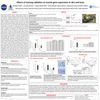 January 2017 in “NASA Technical Reports Server (NASA)”
 Early changes in skin gene expression can predict later bone mass loss after radiation exposure.
 66 citations
,
May 2021 in “Science Advances”
66 citations
,
May 2021 in “Science Advances” Different scaffold patterns improve wound healing and immune response in mouse skin, with aligned patterns being particularly effective.