 2 citations
,
May 2017 in “Archives of Plastic Surgery”
2 citations
,
May 2017 in “Archives of Plastic Surgery” The document concludes that understanding the evolution of the human face helps cosmetic surgeons meet aesthetic desires.
 July 2017 in “Reactions Weekly”
 Finasteride may cause serious muscle-related side effects.
 211 citations
,
May 2013 in “Journal of Nutrition Health & Aging”
211 citations
,
May 2013 in “Journal of Nutrition Health & Aging” MK-0773 safely increased muscle mass but did not improve muscle strength or function in elderly women with sarcopenia.
 34 citations
,
December 2012 in “Current Opinion in Clinical Nutrition and Metabolic Care”
34 citations
,
December 2012 in “Current Opinion in Clinical Nutrition and Metabolic Care” Sex hormone treatments can increase muscle mass in older adults but have inconsistent effects on muscle function and may carry cardiovascular risks.
 441 citations
,
May 2008 in “British Journal of Pharmacology”
441 citations
,
May 2008 in “British Journal of Pharmacology” Anabolic steroids can build muscle and strength but have risks and need more research on their clinical benefits and side effects.
 3 citations
,
May 2025 in “Frontiers in Pharmacology”
3 citations
,
May 2025 in “Frontiers in Pharmacology” Vismodegib can cause muscle spasms, taste changes, hair loss, fatigue, weight loss, and possibly new issues like skin cancer, dehydration, and swallowing problems, needing close monitoring.
 3 citations
,
February 2014 in “Dermatologic Surgery”
3 citations
,
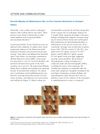
February 2014 in “Dermatologic Surgery” Low-dose finasteride may cause muscle weakness and eye issues, but stopping the drug can lead to recovery.
 1 citations
,
January 2023 in “Revista da Associação Médica Brasileira”
1 citations
,
January 2023 in “Revista da Associação Médica Brasileira” Experts agree on the need for standardized definitions and education for post-COVID-19 conditions.
 1 citations
,
March 2019 in “Lasers in Surgery and Medicine”
1 citations
,
March 2019 in “Lasers in Surgery and Medicine” The conference reported improvements in muscle volume, skin cancer diagnosis, facial and vaginal rejuvenation, and hair growth using various laser treatments.
 April 2026 in “Open MIND”
 GLP-1 medications can cause skin and muscle issues, but treatments like ultrasound and PRP can help.
 162 citations
,
April 2016 in “The Lancet Diabetes & Endocrinology”
162 citations
,
April 2016 in “The Lancet Diabetes & Endocrinology” Testosterone therapy in transgender men has both desired effects like increased muscle mass and potential health risks such as higher cardiovascular risk.
 January 2021 in “ABC Heart Failure & Cardiomyopathy”
 When treating older patients with both heart valve disease and heart muscle disease, doctors should create personalized treatment plans that address both conditions.
 1540 citations
,
October 2008 in “Fertility and Sterility”
1540 citations
,
October 2008 in “Fertility and Sterility” The report concludes that PCOS is mainly a condition of excess male hormones and its definition may change as new information is discovered.
Various treatments exist for hair loss, but no definitive solution.
 9 citations
,
November 2017 in “Dermatologic Clinics”
9 citations
,
November 2017 in “Dermatologic Clinics” Men need higher doses of botox than women and a different approach for facial aesthetics due to their unique facial features and muscle mass.
 90 citations
,
July 2008 in “Dermatologic therapy”
90 citations
,
July 2008 in “Dermatologic therapy” Lichen planopilaris is a chronic, scarring hair loss condition with no definitive cure, requiring accurate diagnosis and treatment to manage symptoms.
 21 citations
,
January 2020 in “General and Comparative Endocrinology”
21 citations
,
January 2020 in “General and Comparative Endocrinology” Lack or blocking of SRD5a, a key component in hormone creation, can lead to conditions like pseudohermaphrodism and affect hair growth, bone mass, muscle strength, and reproductive health. More research is needed on its regulation from fertilization to adulthood.
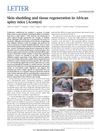 418 citations
,
September 2012 in “Nature”
418 citations
,
September 2012 in “Nature” African spiny mice can regenerate skin, hair, and cartilage, but not muscle, and their unique abilities could be useful for regenerative medicine.
 6 citations
,
January 2018 in “Pharmacoepidemiology and Drug Safety”
6 citations
,
January 2018 in “Pharmacoepidemiology and Drug Safety” Starting 5-alpha reductase inhibitors does not significantly increase the risk of rhabdomyolysis in older men, but is linked to a higher risk of muscle conditions.
 119 citations
,
July 2016 in “Annals of the New York Academy of Sciences”
119 citations
,
July 2016 in “Annals of the New York Academy of Sciences” Vitamin D has potential benefits for cancer prevention, heart health, diabetes, obesity, muscle function, skin health, and immune function, but clinical results are mixed and more research is needed.

The vitamin D receptor has many roles in the body beyond managing calcium, affecting the immune system, hair growth, muscles, fat, bone marrow, and cancer cells.
Testosterone's health effects are complex and not definitively understood.
6 citations
,
May 2019 in “JAMA Facial Plastic Surgery” Removing certain muscles during a browlift reduces glabellar wrinkles better long-term.
 26 citations
,
February 2016 in “Respiratory Medicine”
26 citations
,
February 2016 in “Respiratory Medicine” Auto-antibody testing is a useful but not definitive tool in diagnosing interstitial lung diseases, and using a specific algorithm could make testing more cost-effective.
2 citations
,
July 2025 in “Journal of Ovarian Research” Going to bed late may increase hormones and decrease muscle in women with PCOS.
 1 citations
,
March 2023 in “Frontiers in Cardiovascular Medicine”
1 citations
,
March 2023 in “Frontiers in Cardiovascular Medicine” A specific gene variant is linked to heart disease, increased heart muscle, curly hair, and thick skin on palms and soles.
 35 citations
,
February 2012 in “The New England Journal of Medicine”
35 citations
,
February 2012 in “The New England Journal of Medicine” Early diagnosis and treatment of TPP can prevent complications.
140 citations
,
January 2021 in “Journal of the International Society of Sports Nutrition” Creatine is safe, not a steroid, and boosts muscle and performance without causing kidney damage or hair loss.
 11 citations
,
February 1980 in “BMJ. British medical journal”
11 citations
,
February 1980 in “BMJ. British medical journal” Hirsutism is common body hair growth due to genetics and hormones, and while not a disease, it can be distressing; virilisation includes hirsutism with other male traits and needs medical attention.
9 citations
,
July 2024 in “Toxins” OnabotulinumtoxinA is used to treat wrinkles, pain, sweating, hair loss, and more by temporarily paralyzing muscles and affecting pain pathways.