6 citations
,
June 1986 in “The Journal of Dermatology” Reticular erythematous mucinosis syndrome can occur with minimal mucin deposition.
 176 citations
,
January 2003 in “Journal of Investigative Dermatology”
176 citations
,
January 2003 in “Journal of Investigative Dermatology” Bone Morphogenetic Proteins (BMPs) help control skin health, hair growth, and color, and could potentially be used to treat skin and hair disorders.
35 citations
,
July 2022 in “Frontiers in Cell and Developmental Biology” Proper mTOR signaling is crucial for healthy skin and preventing skin diseases.
1 citations
,
January 2025 in “Poultry Science” Pekin duck skin quality improves with age, peaking at 5-6 weeks.
December 2006 in “Experimental Dermatology” Adipose tissue acts as an endocrine organ affecting metabolism, skin, and stress response.
 2 citations
,
July 2020 in “Trends in Urology and Men's Health”
2 citations
,
July 2020 in “Trends in Urology and Men's Health” More men are getting cosmetic surgery, with Botox and hair removal being popular, but these procedures have risks.
147 citations
,
October 2004 in “Experimental dermatology” Hormones like testosterone affect skin functions and can cause skin issues when in excess; treatments to manage these effects are only somewhat effective.
5 citations
,
August 2012 in “Experimental Dermatology” Artemis phosphorylation at Ser516 may help regulate skin and hair structures.
33 citations
,
September 2020 in “Current Rheumatology Reports” Targeting adipocyte-to-mesenchymal transition could help treat fibrosis.
 1 citations
,
October 2023 in “bioRxiv (Cold Spring Harbor Laboratory)”
1 citations
,
October 2023 in “bioRxiv (Cold Spring Harbor Laboratory)” Printing human stem cells and a special matrix during surgery can help grow new skin and hair-like structures in rats.
 January 2021 in “American journal of dermatological research and reviews”
 The muscle damage was caused by T-cell large granular lymphocytic leukemia, not dermatomyositis.
14 citations
,
May 2022 in “Stem cell reports” The study created hair-bearing skin models that lack a key protein for skin layer attachment, limiting their use for certain skin disease research.

Beauty is subjective and culturally variable, but certain facial features like symmetry are universally recognized as attractive.
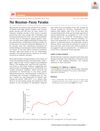 2 citations
,
April 2019 in “Journal of Internal Medicine”
2 citations
,
April 2019 in “Journal of Internal Medicine” Men using steroids or finasteride to look more attractive may harm their fertility and sexual function, creating a paradox where they seem fit but may be less able to reproduce.
 September 2019 in “Journal of evolution of medical and dental sciences”
 Obesity significantly affects skin health, causing conditions like acanthosis nigricans and skin tags, and should be considered during skin exams.
 86 citations
,
December 2001 in “Experimental dermatology”
86 citations
,
December 2001 in “Experimental dermatology” Mutant mice help researchers understand hair growth and related genetic factors.
1 citations
,
August 2024 in “Pediatric Dermatology” A rare, harmless hair condition was found in an infant's eyebrow, needing no treatment.
October 2025 in “Preprints.org” Male and female mice handle stress differently.
 1 citations
,
February 1968 in “Surgical Clinics of North America”
1 citations
,
February 1968 in “Surgical Clinics of North America” Mechanical methods can make abdominal surgeries easier to perform.
 4 citations
,
May 2007 in “Oral and Maxillofacial Surgery Clinics of North America”
4 citations
,
May 2007 in “Oral and Maxillofacial Surgery Clinics of North America” Understanding gender differences and individual patient characteristics is essential for optimal cosmetic surgery outcomes.
1 citations
,
March 2023 in “Pharmaceutics” PBMCsec can help reduce and improve thick skin scars.
67 citations
,
December 2009 in “International Journal of Dermatology” Hormonal changes in skin may cause stretch marks.
1 citations
,
February 2013 in “Steroids” Bone mineral and minocycline boost bone cell growth, aiding healing.
 14 citations
,
May 2004 in “Annals of Plastic Surgery”
14 citations
,
May 2004 in “Annals of Plastic Surgery” Composite flaps are better than muscle-only flaps for long-term skull coverage.
7 citations
,
May 1988 in “International Journal of Dermatology” The patient's hair has unique structural differences with alternating bright and dark bands.
September 2016 in “Journal of Dermatological Science” Hair follicle stem cells can become heart muscle cells.
July 2025 in “Journal of Investigative Dermatology” Tissue-engineered skin substitutes can model junctional epidermolysis bullosa and may help develop gene therapy.
1 citations
,
October 1996 in “Dermatologic clinics” Adiponectin reduces inflammation and bone loss in joint replacements.
 September 2023 in “Journal of the turkish academy of dermatology”
 Men with male pattern baldness had higher body fat and obesity-related measurements but similar heart fat and artery thickness compared to healthy men.
4 citations
,
May 2023 in “Plastic & Reconstructive Surgery” Adipose tissue helps skin expand by increasing blood vessels and cell growth.