 April 2017 in “Journal of Dermatological Science”
 B cells can both help and hinder the body's defense against melanoma.
4 citations
,
September 2025 in “Journal of the American Academy of Dermatology”  December 2025 in “International Journal of Innovative Technologies in Social Science”
 Oral JAK inhibitors effectively treat alopecia areata and are generally well-tolerated.
 April 2016 in “Journal of the American Academy of Dermatology”
 Tofacitinib helped a person with total body hair loss grow hair again without bad side effects.
June 2015 in “OhioLink ETD Center (Ohio Library and Information Network)” UVB exposure affects retinoid metabolism, which is important for skin cancer progression and treatment.
21 citations
,
April 2008 in “Toxicologic Pathology” CI-1033 causes skin lesions in rats, similar to humans, due to EGF receptor inhibition.
 June 2021 in “Research Square (Research Square)”
 Adverse events in lung cancer treatments increase fear, anxiety, and depression, with newer therapies causing fewer side effects.
5 citations
,
August 2024 in “Frontiers in Immunology” Upadacitinib effectively treats psoriasiform eczema and some related conditions.
4 citations
,
May 2023 in “Cells” Baricitinib and its combination with lonafarnib improve fat cell formation in certain genetic disorders.

Newly designed proteins can effectively degrade specific proteins in cells, offering a promising alternative for targeted protein degradation.
51 citations
,
December 2006 in “Mammalian Genome” September 2023 in “Journal of the American Academy of Dermatology” CTP-543 is generally safe for treating alopecia areata.
 August 2024 in “JAMA Dermatology”
 Continuous baricitinib is needed to keep hair regrowth in severe alopecia areata.
1 citations
,
October 2023 in “European Journal of Dermatology” Combining hair transplantation with PRP is more effective for treating hair loss than hair transplantation alone.
 44 citations
,
April 2006 in “Expert opinion on drug safety”
44 citations
,
April 2006 in “Expert opinion on drug safety” Gefitinib can cause skin problems, diarrhea, and nausea, but rarely causes severe lung disease or hair loss.
4 citations
,
February 2024 in “Anais Brasileiros de Dermatologia”  September 2019 in “Journal of Investigative Dermatology”
 Targeted therapy with Ustekinumab significantly improved a skin condition called ILVEN, which is caused by mutations in the CARD14 gene.
 1 citations
,
January 2024 in “NPJ breast cancer”
1 citations
,
January 2024 in “NPJ breast cancer” Experts agree on how to manage sugar levels and skin reactions in patients taking the cancer drug alpelisib.
 6 citations
,
April 2021 in “Frontiers in Immunology”
6 citations
,
April 2021 in “Frontiers in Immunology” A patient with lupus and long-term hair loss saw significant hair regrowth after using the drug tofacitinib.
 1 citations
,
October 2022 in “Дерматовенерология Косметология”
1 citations
,
October 2022 in “Дерматовенерология Косметология” EGFR inhibitors for lung cancer can cause severe skin issues.
2 citations
,
September 2022 in “Annals of Oncology” Mirvetuximab soravtansine improves quality of life and reduces symptoms more than standard chemotherapy in ovarian cancer patients.
 October 2022 in “Journal of Armed Forces Medical College, Bangladesh”
 Tofacitinib is effective and safe for treating alopecia areata.
 1 citations
,
May 2017 in “Journal of the American Academy of Dermatology”
1 citations
,
May 2017 in “Journal of the American Academy of Dermatology” Tofacitinib helped a teenager with severe hair loss grow hair back, but more research is needed.
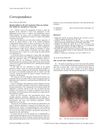 2 citations
,
June 2005 in “Clinical Oncology”
2 citations
,
June 2005 in “Clinical Oncology” A man's bald spot grew hair after starting cancer treatment with gefitinib.
March 2026 in “Journal of Investigative Dermatology” 29 citations
,
October 2010 in “Journal of Investigative Dermatology” Activating Kras in mouse skin causes excess skin and hair loss.
1 citations
,
May 2017 in “Journal of cosmetic and laser therapy” Lasers can help reduce skin side effects from cancer treatment.
 December 2025 in “Педиатрическая фармакология”
 Tofacitinib is more effective than traditional treatments for severe alopecia areata in children.
 April 2026 in “International Journal of Clinical Oncology”
 Combining immune checkpoint inhibitors with other cancer therapies increases skin side effects in Asian patients.
 September 2024 in “Skin Appendage Disorders”
 Tofacitinib helped a woman regrow her hair without relapses after other treatments failed.