January 2022 in “Stem cell biology and regenerative medicine” Lymphatic vessels help hair follicles regenerate by interacting with stem cells.
1 citations
,
July 2024 in “Journal of Investigative Dermatology” Immune cells boost stem cell activity in hairy moles, causing more hair growth.
Inhibiting mTORC2 can reduce DNA repair and increase cancer cell death, suggesting potential for targeted brain cancer treatments.
April 2026 in “Biomaterials”  118 citations
,
August 2010 in “Developmental Cell”
118 citations
,
August 2010 in “Developmental Cell” MIM is crucial for hair follicle formation and regeneration by controlling cilia formation and hedgehog signaling through its interaction with Cortactin and Src.
1 citations
,
July 2025 in “Journal of Investigative Dermatology” Increasing m6A levels can improve skin cell growth and wound healing.
 July 2025 in “ACS Pharmacology & Translational Science”
 Maslinic acid from olive extracts promotes hair growth like minoxidil.
 25 citations
,
May 2020 in “Aesthetic Surgery Journal”
25 citations
,
May 2020 in “Aesthetic Surgery Journal” The regenerative solution, tSVF, is a safe and effective treatment for various conditions like aged skin, scars, wounds, and more, but more research is needed to find the best way to use it.
February 2026 in “Biophysical Journal”  12 citations
,
November 2020 in “Molecules”
12 citations
,
November 2020 in “Molecules” Carvone helps treat skin issues by reducing melanin and stopping harmful cell growth.
33 citations
,
February 2021 in “Journal of Medicinal Chemistry” New compounds were developed that promote hair growth in mice.
December 2023 in “bioRxiv (Cold Spring Harbor Laboratory)” Actin filaments help stabilize and integrate cell membranes during transfer.
December 2023 in “Animals” The research found genes and miRNAs that may control hair growth in Forest Musk Deer.
 520 citations
,
February 2001 in “Journal of Clinical Investigation”
520 citations
,
February 2001 in “Journal of Clinical Investigation” VEGF helps hair grow and determines follicle size by increasing blood vessel growth.
October 2020 in “Stem cells” The document concludes that DNA methylation and the mTOR pathway are important for stem cell function and could impact disease treatment.
 56 citations
,
February 2012 in “Cell Cycle”
56 citations
,
February 2012 in “Cell Cycle” MicroRNAs are crucial for controlling skin development and healing by regulating genes.
39 citations
,
April 2023 in “Science Advances” CD34+ cells help heal damaged limbs by promoting blood vessel growth.
33 citations
,
September 2020 in “Current Rheumatology Reports” Targeting adipocyte-to-mesenchymal transition could help treat fibrosis.
25 citations
,
May 2004 in “Prenatal Diagnosis” Prenatal genetic diagnosis may not predict MELAS syndrome severity in offspring.
36 citations
,
August 2022 in “Molecular Therapy — Nucleic Acids” Gene therapy shows promise for healing chronic wounds but needs more research to overcome challenges.
1 citations
,
April 1998 in “PubMed”  September 2022 in “bioRxiv (Cold Spring Harbor Laboratory)”
 Removing Mediator 1 causes teeth cells to turn into hair cells.
12 citations
,
February 2019 in “Developmental Biology” Nerve signals are essential for axolotl limb regeneration by regulating HDAC1.
 September 2020 in “Research Square (Research Square)”
 Multi-walled carbon nanotubes can enhance plant root hair growth by affecting nitric oxide and ethylene production.
 January 2015 in “D-Scholarship@Pitt (University of Pittsburgh)”
 Diabetic patients' stem cells make vascular grafts more prone to clots, but new methods may improve grafts.
 6 citations
,
April 2013 in “International Journal of Dermatology”
6 citations
,
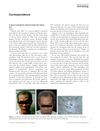
April 2013 in “International Journal of Dermatology” Valproic acid helped hair growth in alopecia patient; more research needed.
 November 2022 in “Journal of Investigative Dermatology”
 Scientists developed a new way to study mutations in a skin condition using blood cells, which may help diagnose and treat the disease.
May 2012 in “International Journal of Dermatology and Venereology” Hair growth and development are controlled by complex signaling pathways.
 7 citations
,
June 2022 in “Frontiers in Medicine”
7 citations
,
June 2022 in “Frontiers in Medicine” ADSC-derived extracellular vesicles show promise for skin and hair regeneration and wound healing.
 29 citations
,
January 2017 in “Journal of Investigative Dermatology”
29 citations
,
January 2017 in “Journal of Investigative Dermatology” The Msi2 protein helps keep hair follicle stem cells inactive, controlling hair growth and regeneration.