 January 2026 in “Frontiers in Pharmacology”
 Wedelolactone may help treat inflammation, infections, cancer, bone loss, and organ damage.
 24 citations
,
April 2017 in “Aesthetic plastic surgery”
24 citations
,
April 2017 in “Aesthetic plastic surgery” MAFT is a reliable method for forehead contouring with high patient satisfaction and long-term results.
MFN2 mutations cause mitochondrial problems, unusual fat distribution, and low leptin despite high body fat.
 10 citations
,
November 2018 in “Nature Biotechnology”
10 citations
,
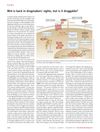
November 2018 in “Nature Biotechnology” Drugmakers are optimistic about targeting the Wnt pathway for new treatments despite past challenges.
Deleting the MAD2L1 gene in mice led to rapid tumor growth despite chromosomal instability.
 March 2024 in “Frontiers in endocrinology”
 A new MTX2 gene mutation caused a severe genetic disorder in a young Chinese girl.

Combining Rehmannia root extract with microneedling boosts hair growth.
2 citations
,
July 2025 in “Analytical Chemistry” The method effectively images and correlates elements and metabolites in tissue samples at a micron scale.
Inhibiting mTORC2 can reduce DNA repair and increase cancer cell death, suggesting potential for targeted brain cancer treatments.
111 citations
,
April 2023 in “Ultrasonics Sonochemistry” Ultrasound helps efficiently extract beneficial compounds from maidenhairtree for potential medicinal use.
1 citations
,
January 2013 in “Journal of clinical & experimental dermatology research” Melatonin may help whisker growth in mice.
26 citations
,
July 2007 in “Wound Repair and Regeneration” MRL/MpJ mice heal burns slower with more scarring and less tissue regeneration than BALB/c mice.
14 citations
,
March 2018 in “The American journal of case reports” People with the same genetic mutation for Woodhouse-Sakati syndrome can have different symptoms.
3 citations
,
August 2023 in “Biophysical Journal” Mitochondrial activity varies in cells before they stop growing, affecting their growth potential.
MVP treatment is effective and safe for recurrent breast cancer.
 1 citations
,
August 2021 in “Canadian journal of neurological sciences”
1 citations
,
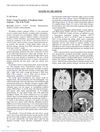
August 2021 in “Canadian journal of neurological sciences” Woodhouse-Sakati syndrome can cause writer's cramp and other varied symptoms, highlighting the importance of genetic testing for diagnosis.
 September 2020 in “Research Square (Research Square)”
 Multi-walled carbon nanotubes can enhance plant root hair growth by affecting nitric oxide and ethylene production.
42 citations
,
September 2012 in “PLoS ONE” Bezafibrate treatment improved skin and spleen health in aging mice but didn't extend lifespan.
75 citations
,
February 2017 in “Aging” SkQ1 antioxidant improved health and lifespan in mice.
1 citations
,
July 2020 in “The Egyptian Journal of Hospital Medicine” The MDR1 C3435T polymorphism does not significantly affect methotrexate response in rheumatoid arthritis patients.
33 citations
,
February 2021 in “Journal of Medicinal Chemistry” New compounds were developed that promote hair growth in mice.
4 citations
,
December 2024 in “European Journal of Medicinal Chemistry” New pyrazole-based inhibitors show promise for treating metabolic diseases and other conditions.
 14 citations
,
January 2021 in “Scientific Reports”
14 citations
,
January 2021 in “Scientific Reports” Using micro skin tissue columns improves skin wound healing and reduces scarring.
35 citations
,
August 2006 in “Molecular genetics and metabolism” Tissue-specific variation in mutant load complicates genetic counseling and prenatal diagnosis.
 1 citations
,
October 2019 in “Medicina UPB”
1 citations
,
October 2019 in “Medicina UPB” Multiple treatment comparison meta-analyses help doctors make better decisions by comparing different interventions.
5 citations
,
June 2015 in “Chinese journal of natural medicines/Zhongguo tianran yaowu/Chinese Journal of Natural Medicines” Tripterygium wilfordii multiglycoside effectively reduced prostate enlargement in rats without harmful effects.
January 2020 in “한국미용학회지” Musa extracts protect hair from damage during chemical treatments.
58 citations
,
March 2019 in “Frontiers in Pharmacology” Wedelolactone may help treat lung fibrosis by reducing inflammation and lung damage.
December 2024 in “Food Bioscience” Limosilactobacillus fermentum MF10 helps hair grow by activating certain cell signals in mice.
 93 citations
,
November 2018 in “Carbohydrate Polymers”
93 citations
,
November 2018 in “Carbohydrate Polymers” New nanocomposites with copper show promise for healing burn wounds and regenerating skin.