 19 citations
,
May 2012 in “The journal of investigative dermatology/Journal of investigative dermatology”
19 citations
,
May 2012 in “The journal of investigative dermatology/Journal of investigative dermatology” The type 3 IP3 receptor is important for controlling hair loss and growth.
17 citations
,
January 2009 in “Plant cell monographs” 1 citations
,
August 2008 in “Plant cell monographs”  July 2025 in “ACS Pharmacology & Translational Science”
 Maslinic acid from olive extracts promotes hair growth like minoxidil.
 122 citations
,
May 2010 in “Plant Physiology”
122 citations
,
May 2010 in “Plant Physiology” Different PIN proteins affect plant root hair growth by changing how auxin is transported.
 30 citations
,
October 2021 in “Scientific Reports”
30 citations
,
October 2021 in “Scientific Reports” Inhibiting glycogen metabolism can promote hair growth.
 March 1998 in “Journal of dermatological science”
 Diphencyprone initially increases mouse hair growth, then slows it, possibly due to changes in specific protein levels.
 4 citations
,
December 2013 in “International Journal of Dermatology”
4 citations
,
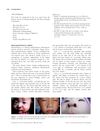
December 2013 in “International Journal of Dermatology” Three children with nasal fungal infections were successfully treated with potassium iodide and sometimes itraconazole.
24 citations
,
March 2016 in “Journal of Investigative Dermatology” TIP39 and PTH2R help control calcium levels and skin cell development.
January 2026 in “Applied Sciences” Cyclic ADP-ribose helps regulate calcium and signals that promote hair growth in hair follicle cells.
 December 2023 in “The journal of investigative dermatology/Journal of investigative dermatology”
 MCPIP1 in myeloid cells is important for skin cancer development and healthy hair growth.
 April 2023 in “Journal of Investigative Dermatology”
 A protein called MPZL3 in mitochondria slows down hair growth and could be a target for treating hair growth disorders.
 1 citations
,
October 2023 in “Egyptian Journal of Immunology”
1 citations
,
October 2023 in “Egyptian Journal of Immunology” PCOS is linked to low-grade chronic inflammation.
1 citations
,
February 2025 in “Journal of the Neurological Sciences” Beta-trace protein may help diagnose and predict treatment response in certain nerve disorders.
2 citations
,
November 1992 in “Journal of dermatology” Hair cells grown in a lab showed specific hair proteins.
1 citations
,
May 2025 in “Cell Reports Medicine” RSPO1 could help create new diabetes treatments by increasing pancreatic β cells.
25 citations
,
July 2004 in “Experimental Dermatology” Illicium anisatum extract may boost hair growth.

IP-PA1 helps grow hair in mice and affects human cell growth-related genes differently than traditional hair growth treatments.
48 citations
,
January 2002 in “Journal of Structural Biology” Trichocyte filaments have a low-density core and may include proteins for hair structure.
 3 citations
,
July 2018 in “Biomedicine & pharmacotherapy”
3 citations
,
July 2018 in “Biomedicine & pharmacotherapy” Paeoniflorin protects brain cells by involving a specific protein and neurosteroids.
 5 citations
,
February 2017 in “Biomolecules & Therapeutics”
5 citations
,
February 2017 in “Biomolecules & Therapeutics” 4-O-Methylhonokiol helps protect skin cells from growth-stopping effects of a protein by regulating growth-related pathways.
108 citations
,
October 2003 in “Journal of biological chemistry/The Journal of biological chemistry” Trichohyalin makes hair follicles stronger.
5 citations
,
July 1999 in “Journal of Anatomy” Methylene blue staining effectively highlights detailed nerve structures in rat fur.
 28 citations
,
May 2019 in “Life Sciences”
28 citations
,
May 2019 in “Life Sciences” Ginsenoside Rb1 from Panax ginseng helps mink hair grow by activating certain cell signals.
36 citations
,
March 2005 in “Biotechnology and Bioengineering” A new method speeds up insulin amyloid fibril growth, useful for studying diseases.
November 2025 in “Phytomedicine” L-rhamnose may promote hair growth by boosting energy production in cells.
23 citations
,
December 2001 in “Experimental dermatology” Soymilk can slow hair growth and make hair thinner.
1 citations
,
June 2016 in “Medicina” Monilethrix is a genetic disorder causing brittle hair, diagnosed using tricoscopy.
 3 citations
,
January 2020 in “PubMed”
3 citations
,
January 2020 in “PubMed” Adding insulin-like growth factor 1 and bone marrow-derived stem cells to a collagen-chitosan scaffold helps wounds heal faster and regrows hair follicles.
2 citations
,
January 1989 Tay syndrome is a unique genetic disorder causing skin, hair, and developmental issues.