2 citations
,
January 1989 Tay syndrome is a unique genetic disorder causing skin, hair, and developmental issues.
19 citations
,
September 1971 in “Journal of Investigative Dermatology” 3 citations
,
September 2013 in “Bioscience Biotechnology and Biochemistry” Type II porcine hair keratin supports cell growth but hinders cell differentiation.
38 citations
,
November 2020 in “International journal of biochemistry & cell biology” Keratin proteins are essential for keeping the cells in the human colon healthy and stable.
24 citations
,
November 2003 in “The FASEB Journal” Epimorphin helps start hair growth in mice.
5 citations
,
January 1964 in “Naunyn-Schmiedeberg s Archives of Pharmacology” Iodine is absorbed by hair just below the skin surface.
February 2026 in “Biophysical Journal” 7 citations
,
January 2020 in “The journal of investigative dermatology/Journal of investigative dermatology” NIPP1 is important for healthy skin and could help treat skin inflammation.
 14 citations
,
September 2012 in “Journal of nanoscience and nanotechnology”
14 citations
,
September 2012 in “Journal of nanoscience and nanotechnology” Niosomes with rice bran extract could be useful for anti-hair loss products.
 April 2023 in “The journal of investigative dermatology/Journal of investigative dermatology”
 Blocking a key energy pathway in human hair follicles can trigger stress responses that stop cell growth.
2 citations
,
May 2021 in “IOP Conference Series Earth and Environmental Science” IGF-1 boosts growth factor release from stem cells for potential regenerative therapy.
71 citations
,
January 2011 in “Orphanet Journal of Rare Diseases” IFAP syndrome is a rare genetic disorder causing skin, hair, and eye issues, with limited treatment options.
2 citations
,
January 2011 in “Feed Review” Adding 0.029% iron glycine chelate to piglet diets improves growth and hair color.
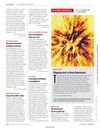
Activin A increases inner ear hair cell development, while follistatin decreases it.
55 citations
,
October 2008 in “American Journal Of Pathology” mIGF-1 in skin cells speeds up wound healing and hair growth in mice without harmful effects.
44 citations
,
May 2008 in “Plant journal” D'orenone stops root hair growth by disrupting auxin transport, but adding auxin can reverse this.
21 citations
,
March 2018 in “American Journal Of Pathology” Mutations in NIPAL4 cause skin issues by disrupting lipid layers, but some improvement is seen with topical treatment.
Potassium channel openers like minoxidil boost hair growth.
 November 2019 in “Synapse”
 Brain-made chemicals can control nerve cell function differently in various parts of a mouse's brain, which may help us understand neurological conditions.
March 2023 in “Epilepsia” Trilostane may help delay epilepsy development by increasing certain brain chemicals.
161 citations
,
June 1993 in “Journal of Biological Chemistry” Trichohyalin helps in hair and skin cell structure and function by binding calcium and linking proteins.
55 citations
,
November 2019 in “Cellular and Molecular Gastroenterology and Hepatology” Biotin may help treat inflammatory bowel disease by reducing inflammation and improving gut health.
46 citations
,
June 2013 in “Journal of structural biology” High glycine–tyrosine keratin-associated proteins help make hair strong and maintain its shape.
 October 2023 in “International Journal of Cosmetic Science”
 WS Biotin, a new form of D-Biotin, improves water solubility and shows potential for hair and skin care without being toxic at low levels.
 4 citations
,
January 2015 in “Sen'i Gakkaishi”
4 citations
,
January 2015 in “Sen'i Gakkaishi” Hair and wool strength is affected by the number and type of bonds in their protein structures, with hair having more protein aggregates than wool.
21 citations
,
October 2017 in “Cell death and disease” Sesn2 protects inner ear hair cells from damage by regulating certain cell survival pathways.
 April 2023 in “The journal of investigative dermatology/Journal of investigative dermatology”
 JAK inhibitors help hair growth by boosting beta-catenin activity in hair root cells.
August 2025 in “Bioactive Materials” Ac-GFFY-IGF peptide is a promising, safe, and effective treatment for hair loss, better than current options.
 April 2018 in “Journal of Investigative Dermatology”
 Stabilizing HIF1A in hair follicles increases glycolysis, which may help reduce oxidative stress and support hair growth.