 November 2022 in “Journal of Investigative Dermatology”
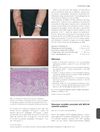
 Most Recessive Dystrophic Epidermolysis Bullosa patients with a specific mutation likely have Sephardic ancestry from about 500 years ago.
 28 citations
,
February 2010 in “British journal of dermatology/British journal of dermatology, Supplement”
28 citations
,
February 2010 in “British journal of dermatology/British journal of dermatology, Supplement” WNT10A mutations cause varied symptoms in patients with odonto-onycho-dermal dysplasia.
June 2025 in “British Journal of Dermatology” Ritlecitinib may cause serious side effects like blood clots in alopecia areata patients.
![[4-t-Butylphenyl]-N-(4-imidazol-1-yl phenyl)sulfonamide (ISCK03) Inhibits SCF/c-kit Signaling in 501mel Human Melanoma Cells and Abolishes Melanin Production in Mice and Brownish Guinea Pigs](/images/assets/4eb017dc-711d-4926-bcd0-c3b8f48e3a99/small/19974.jpg) 26 citations
,
July 2007 in “Biochemical Pharmacology”
26 citations
,
July 2007 in “Biochemical Pharmacology” ISCK03 stops melanin production in human melanoma cells and lightens skin color in mice and guinea pigs.
 May 2024 in “Biochemical pharmacology”
 Blocking CISD1 reduces hearing loss from cisplatin in mice.
6 citations
,
August 2016 in “Journal of microencapsulation” The hair lotion with methyl myristate in niosomes treats grey hair faster and better than the free form.
Reducing PIEZO1 speeds up wound healing.
 September 2023 in “Journal of the American Academy of Dermatology”
 Topical tofacitinib helped a man with severe scalp condition after other treatments failed.
14 citations
,
August 2013 in “Journal of Parasitology” Mite infestations severely harm the health of endangered Amargosa voles.
January 2016 in “한국공업화학회 연구논문 초록집” The nanoparticles show promise for cancer treatment and diagnosis with fewer side effects.
 June 2023 in “British Journal of Dermatology”
 The protein called small nuclear ribonucleoprotein polypeptide E is identified as a cause of a type of hair loss without other symptoms.
 January 1993 in “Journal of International Medical Research”
 The document corrects errors in previous articles, including a reversed term, updated subject weights, hair count data, and reference numbering.
29 citations
,
June 2010 in “The Journal of Dermatology” Infants with severe KID syndrome may be more prone to serious infections and need close monitoring.
 July 1997 in “Hair transplant forum international”
 The document could not be processed.
 November 2007 in “Hair transplant forum international”
 The document's conclusion cannot be provided because the content is not available to parse.
22 citations
,
June 1991 in “Clinical Therapeutics” Oxiconazole nitrate cream is effective and safe for treating various fungal skin infections.
 1 citations
,
June 2003 in “Obstetrical & Gynecological Survey”
1 citations
,
June 2003 in “Obstetrical & Gynecological Survey” This new method makes checking for female infertility less painful, less invasive, and doesn't use radiation.
Mutations in the PADI3 gene may cause central centrifugal cicatricial alopecia in women of African ancestry.
 7 citations
,
February 2010 in “British Journal of Dermatology”
7 citations
,
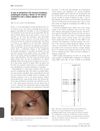
February 2010 in “British Journal of Dermatology” A woman with a rare autoimmune disorder had a blister on her eye and unique immune reaction, which was effectively treated with medication.
9 citations
,
August 2021 in “Journal of clinical medicine” Pili torti is a rare condition where hair is twisted and breaks easily, often linked to genetic disorders or other health issues.
 December 2023 in “Journal of Ayub Medical College Abbottabad”
 Ritlecitinib effectively treats alopecia areata in patients 12 and older with fewer side effects.
 15 citations
,
January 2014 in “Medicinal chemistry”
15 citations
,
January 2014 in “Medicinal chemistry” Some new isatin compounds could be strong cancer-fighting drugs because they fit well in cancer-related proteins and have good drug-like properties.
61 citations
,
September 1994 in “Journal of Medical Genetics” Pachyonychia congenita is linked to a keratin gene on chromosome 17.
 2 citations
,
October 2015 in “Human Gene Therapy”
2 citations
,
October 2015 in “Human Gene Therapy” The congress highlighted new gene therapy techniques and cell transplantation methods for treating diseases.
 5 citations
,
January 1998 in “Journal of Toxicologic Pathology”
5 citations
,
January 1998 in “Journal of Toxicologic Pathology” Maneb causes delayed hair follicle damage in rats.

"Bider" markings in Dun Mongolian horses are caused by a complex network of genes and pathways.
1 citations
,
March 1991 in “PubMed” Naevoid bundle hair is an unusual hair growth pattern where multiple hairs fuse together.
The HG3 hair gel is the most effective for treating seborrheic dermatitis.

BLTP1 and KIF27 gene mutations can help breed better wool sheep.
 13 citations
,
December 2008 in “Veterinary dermatology”
13 citations
,
December 2008 in “Veterinary dermatology” A rabbit with sebaceous adenitis was effectively treated with ciclosporin and medium-chain triglycerides.