 January 2023 in “Research Square (Research Square)”
 Hair cortisol may be a good indicator of recent mood in people with bipolar disorder.
 January 2023 in “International Journal for Research in Applied Science and Engineering Technology”
 Herbs like Tea Tree Oil and Aloe Vera could be safer, more conditioning antidandruff alternatives to synthetic products.
 January 2023 in “International Journal of Research Publication and Reviews”
 Some herbal ingredients like linalool and tea tree oil have anti-dandruff properties and are safe for use in shampoos.

There is no cure for myotonic dystrophy type 1, so treatment focuses on managing symptoms and complications.
 December 2022 in “Sudan Journal of Medical Sciences”
 Vaccination is the most effective way to reduce COVID-19 transmission.

Fetal environments contain various chemicals that may disrupt hormones.
 October 2022 in “Journal of experimental and clinical medicine”
 Repurposing existing drugs for COVID-19 shows promise but requires more research to confirm effectiveness.
 July 2022 in “International journal of Ayurvedic medicine”
 The new herbal shampoo effectively controls dandruff using natural ingredients.
 February 2022 in “International Journal of Complementary & Alternative Medicine”
 Good hair and scalp health indicate good overall health.
 November 2021 in “Research, Society and Development”
 Individualized treatment and psychological support are crucial for alopecia.
 September 2021 in “International journal of Ayurveda and pharma research”
 Ayurvedic treatment improved hypothyroidism in a 30-year-old man.
The guide suggests using keratin fibers and wigs to help hair look thicker or hide hair loss.
 January 2021 in “Middle East journal of applied sciences”
 Zinc is essential for plant growth and human health, but many soils lack enough zinc, affecting crops and potentially leading to health problems.
 January 2021 in “Online Publication Service of Würzburg University (Würzburg University)”
 Diphenylcyclopropenon treatment for Alopecia areata is effective and safe, improving patients' quality of life.
 September 2020 in “Nature, Environment and Pollution Technology/Nature, environment and pollution technology”
 Eating plants from polluted areas can cause liver and kidney damage in rats due to toxic metals.

Using calvarial bone for maxilla augmentation is less painful and allows for single-procedure dental implants.
 September 2019 in “Philippine Journal of Internal Medicine”
 Early immunosuppressive therapy leads to favorable outcomes in Filipino lupus patients with myocarditis.
 January 2019 in “Elsevier eBooks”
 Different hair disorders have specific treatments and outcomes, with some resolving on their own and others requiring medication or emotional support.

Accurate diagnosis and timely, tailored treatments improve outcomes in obstetrics and gynecology.
 December 2017 in “The journal of investigative dermatology. Symposium proceedings/The Journal of investigative dermatology symposium proceedings”
 The summit aimed to speed up finding treatments for alopecia areata.
 July 2017 in “British Journal of Dermatology”
 The document concludes that scalp conditions have various causes and can present in many different ways.
Forensic hair analysis for drugs is now more reliable and accurate.
 April 2015 in “Andrology”
 HNG may help prevent the negative effects of chemotherapy on sperm production and white blood cell counts.
 January 2015 in “Journal of clinical & experimental dermatology research”
 A protein combining parathyroid hormone and collagen helped hair regrow in mice with a hair loss condition.

Higher cholesterol levels increase aggressive prostate cancer risk.
 April 2012 in “Informa Healthcare eBooks”
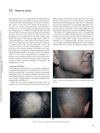
 Alopecia areata is a common autoimmune condition causing varying hair loss, diagnosed by specific patterns of inflammation around hair follicles, with several treatment options available.
 January 2012 in “Elsevier eBooks”
 Hair loss can cause emotional and social issues, and various treatments, including medication, surgery, and psychological support, are needed.
 June 2011 in “The Journal for Nurse Practitioners”
 Up to half of adult women may experience hair loss, and doctors should use medical history, exams, and tests to find the cause and treat it.
 January 2009 in “Springer eBooks”
 The document concludes that treating skin conditions should include psychological care and a multidisciplinary approach is essential for effective management.
 January 2006 in “Advances in developmental biology”
 The Hairless gene is crucial for healthy skin and hair growth.