 July 2021 in “Open access journal of biomedical science”
 A lotion with natural extracts significantly sped up hair growth in women with hair loss from chemotherapy.
 November 2023 in “Research Square (Research Square)”
 NIR-II imaging effectively tracked stem cells that helped repair facial nerve defects in rats.
 47 citations
,
July 2005 in “British Journal of Dermatology”
47 citations
,
July 2005 in “British Journal of Dermatology” Topical vitamin D3 does not prevent hair loss from chemotherapy.
2 citations
,
June 2018 in “Dermatologic Surgery”  37 citations
,
April 2010 in “FEBS Letters”
37 citations
,
April 2010 in “FEBS Letters” The study concludes that the EDA2R gene is activated by p53 during chemotherapy but is not necessary for chemotherapy-induced hair loss.
 67 citations
,
October 2005 in “Annals of Oncology”
67 citations
,
October 2005 in “Annals of Oncology” Fulvestrant is a well-tolerated new treatment for advanced breast cancer that may delay chemotherapy.
 January 2024 in “Archives of dermatological research”
 Both treatments for alopecia areata showed similar modest effectiveness.
22 citations
,
November 2002 in “Clinical journal of oncology nursing” Arsenic trioxide effectively treats relapsed acute promyelocytic leukemia with manageable side effects.
 June 2026 in “Journal of health economics and outcomes research”
 Ritlecitinib is more effective and cost-efficient than baricitinib for severe alopecia areata.
Vinblastine and its metabolites may cause nausea and hair loss by binding to specific receptors and could lead to better chemotherapy drugs with fewer side effects.
 5 citations
,
December 2018 in “Biological & Pharmaceutical Bulletin”
5 citations
,
December 2018 in “Biological & Pharmaceutical Bulletin” Norgalanthamine helps hair cells grow by activating certain pathways related to hair growth.
December 2025 in “Fertility and Sterility” Both LNG-IUD and systemic progestins are effective for fertility-sparing treatment, but close monitoring is needed due to recurrence risk.
September 2020 in “Zenodo (CERN European Organization for Nuclear Research)” Indometacin was chosen for a gel to help treat mastopathy and prevent breast cancer.
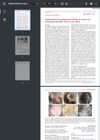 April 2024 in “JEADV clinical practice”
 Upadacitinib significantly improved both rheumatoid arthritis and alopecia areata in a patient.
 45 citations
,
January 2020 in “International Journal of Molecular Sciences”
45 citations
,
January 2020 in “International Journal of Molecular Sciences” Some natural compounds may help overcome drug resistance in certain cancers, but more research is needed.
2 citations
,
May 2023 in “The Journal of Immunology” NXC736 significantly reduced hair loss in mice with alopecia areata.
January 2012 in “RepositóriUM (Universidade do Minho)” PLA nanoparticles can effectively deliver treatments to hair follicles, showing potential for hair therapy.
March 2016 in “Oncology Times” Insurers opposed ASCO's recommendation for a single cancer care pathway program.
8 citations
,
January 2018 in “Journal of Analytical Methods in Chemistry” A new method accurately measures a drug in skin for cancer therapy research.
Baricitinib helps regrow hair in teens with severe alopecia areata.
 1 citations
,
May 2025 in “The Journal of Rheumatology”
1 citations
,
May 2025 in “The Journal of Rheumatology” Upadacitinib may help treat difficult cases of systemic lupus erythematosus.
December 2019 in “RIUnB Institutional Repository (University of Brasília)” NP-AH-CDM-4 nanoparticles show promise for effective topical acne treatment.
 January 2025 in “International Journal of Trichology”
 Combining DPCP with PRP doesn't improve hair regrowth in alopecia areata.
 8 citations
,
March 2019 in “Drugs - Real World Outcomes”
8 citations
,
March 2019 in “Drugs - Real World Outcomes” Healthcare claims databases can help monitor drug safety, but may report adverse events differently than direct surveillance.
Nanostructured lipid carriers can improve androgenic alopecia treatment by reducing dutasteride dosage and maintaining its presence in hair follicles longer.
July 2023 in “Panacea Journal of Medical Sciences” Chemotherapy often causes skin, hair, and nail problems in cancer patients.
Baricitinib helped treat a man's beard hair loss when steroids didn't work.
 1 citations
,
January 2023 in “Cutis”
1 citations
,
January 2023 in “Cutis” The paper concludes that the new medication baricitinib needs further testing in a more diverse group of patients with alopecia areata.
10 citations
,
July 2015 in “Clinical and Experimental Dermatology” Etanercept may cause hair fragility and breakage.
2 citations
,
May 2023 in “Journal of Immunotherapy” Sintilimab treatment caused hair loss but led to complete tumor remission.