 5 citations
,
September 2002 in “Archives of Dermatology”
5 citations
,
September 2002 in “Archives of Dermatology” Dermatologists diagnose and manage melanoma more effectively than general practitioners.
 23 citations
,
June 2015 in “Oncology Letters”
23 citations
,
June 2015 in “Oncology Letters” Adipose-derived stem cell-conditioned medium can reduce melanoma cell growth and spread.
 1 citations
,
March 2011 in “Journal of Investigative Dermatology”
1 citations
,
March 2011 in “Journal of Investigative Dermatology” Blocking RANK signaling might help treat metastatic melanoma, but more research is needed.
 8 citations
,
October 2018 in “Journal of the European Academy of Dermatology and Venereology”
8 citations
,
October 2018 in “Journal of the European Academy of Dermatology and Venereology” Mohs micrographic surgery is effective for early-stage non-melanoma skin cancers on the lips, with basal cell carcinoma more common on the upper cutaneous lip and squamous cell carcinoma more common on the lower vermilion lip.
 10 citations
,
July 2013 in “British Journal of Dermatology”
10 citations
,
July 2013 in “British Journal of Dermatology” High MUC-18/MCAM levels in blood indicate a worse outlook for melanoma patients.
Retinoids can help treat skin pigmentation disorders by affecting melanin production.
 January 2011 in “Yearbook of Dermatology and Dermatologic Surgery”
 Finding a positive nonsentinel lymph node in melanoma patients indicates a worse prognosis.
January 2018 in “Florence Research (University of Florence)” Melanoma and vitiligo patients have different gut fungi and bacteria compared to healthy people.
12 citations
,
May 2015 in “Journal of the National Comprehensive Cancer Network” Doctors should actively prevent and treat skin side effects in cancer patients to keep them on the best medication and reduce discomfort.
January 2026 in “EJC Skin Cancer” Early detection and intervention improve survival in melanoma patients.
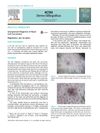 May 2015 in “Actas Dermo-Sifiliográficas”
 A young man was unexpectedly diagnosed with basal cell carcinoma after a scalp examination and confocal microscopy.
1 citations
,
January 2019 in “Dermatology Online Journal” A rare skin condition appeared on a 19-year-old woman's scalp.
 August 2023 in “Research Square (Research Square)”
 Melanocytes may trigger the immune response in alopecia areata, affecting hair regrowth.
 8 citations
,
February 2013 in “Central European Journal of Biology”
8 citations
,
February 2013 in “Central European Journal of Biology” Melanocytes are diverse cells important for pigmentation and skin health, influenced by genetics and environment.
 85 citations
,
July 2002 in “Pigment Cell Research”
85 citations
,
July 2002 in “Pigment Cell Research” The article concludes that while we understand a lot about how melanocytes age and how this can prevent cancer, there are still unanswered questions about certain pathways and genes involved.
 86 citations
,
October 2017 in “Clinics in Dermatology”
86 citations
,
October 2017 in “Clinics in Dermatology” Older adults have a high rate of skin cancers like basal cell carcinoma and melanoma, mainly due to UV exposure and age.
21 citations
,
November 2018 in “Journal of the European Academy of Dermatology and Venereology” The combination of encorafenib and binimetinib caused few skin issues.
 March 2026 in “Portuguese Journal of Dermatology and Venereology”
 Avoid hair dye after microneedling to prevent scalp pigmentation.
 21 citations
,
March 2015 in “Journal of The American Academy of Dermatology”
21 citations
,
March 2015 in “Journal of The American Academy of Dermatology” Vemurafenib therapy can cause hair loss, but clobetasol propionate foam can help regrow hair.
 2 citations
,
September 2010 in “Journal of the Dermatology Nurses’ Association”
2 citations
,
September 2010 in “Journal of the Dermatology Nurses’ Association” Transplant patients on immunosuppressive medications have a higher risk of skin cancer, and managing this involves balancing medication with cancer risk.

A new microneedle treatment shows promise for repigmenting skin in vitiligo.
 1 citations
,
April 2019 in “The journal of investigative dermatology/Journal of investigative dermatology”
1 citations
,
April 2019 in “The journal of investigative dermatology/Journal of investigative dermatology” Melanocyte-associated antigens may play a key role in alopecia areata and could be targets for new treatments.
 September 2023 in “Curēus”
 A 21-year-old male has a benign skin condition called Becker's nevus, which he chose not to treat.
1 citations
,
January 2025 in “Regenerative Biomaterials” Exosomes from Pinctada martensii mucus can safely reduce melanin production, offering a new treatment for skin pigment issues.
16 citations
,
October 2004 in “Journal of Investigative Dermatology” Normal human melanocytes can avoid cell death through multiple pathways.
 January 2012 in “heiDOK (Heidelberg University)”
 Dormant melanoma cells in mice interact minimally with memory T cells due to a suppressive tumor environment.
 1 citations
,
April 2016 in “Journal of Investigative Dermatology”
1 citations
,
April 2016 in “Journal of Investigative Dermatology” NLRP1 helps melanoma tumors grow by boosting inflammasome activation and reducing caspase-3 activity.
![[4-t-Butylphenyl]-N-(4-imidazol-1-yl phenyl)sulfonamide (ISCK03) Inhibits SCF/c-kit Signaling in 501mel Human Melanoma Cells and Abolishes Melanin Production in Mice and Brownish Guinea Pigs](/images/assets/4eb017dc-711d-4926-bcd0-c3b8f48e3a99/small/19974.jpg) 26 citations
,
July 2007 in “Biochemical Pharmacology”
26 citations
,
July 2007 in “Biochemical Pharmacology” ISCK03 stops melanin production in human melanoma cells and lightens skin color in mice and guinea pigs.
 10 citations
,
July 2022 in “Dermatology and Therapy”
10 citations
,
July 2022 in “Dermatology and Therapy” Melasma's causes include genetics, sun exposure, hormones, and oxidative stress, and understanding these can help create better treatments.
 November 2021 in “World Family Medicine Journal /Middle East Journal of Family Medicine”
 The document's conclusion cannot be provided because the document is not readable or understandable.