 1 citations
,
May 2017 in “InTech eBooks”
1 citations
,
May 2017 in “InTech eBooks” The document concludes that alopecia areata is an unpredictable autoimmune hair loss condition with no cure, but various treatments exist that require personalized approaches.
 1 citations
,
April 2016 in “Journal of The American Academy of Dermatology”
1 citations
,
April 2016 in “Journal of The American Academy of Dermatology” Dutasteride more effective than finasteride for hair growth; SM04554 safe and potentially effective for hair loss.
 1 citations
,
January 2015
1 citations
,
January 2015 Personality traits significantly affect the onset, progression, and psychological impact of alopecia areata.
 1 citations
,
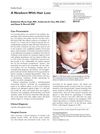
February 2013 in “Clinical pediatrics”
1 citations
,
February 2013 in “Clinical pediatrics” The baby’s hair loss was due to a rare genetic condition, not treatable by usual methods.
 1 citations
,
July 1965 in “Postgraduate medicine”
1 citations
,
July 1965 in “Postgraduate medicine” Most skin conditions can be managed with general medical knowledge.
 January 2026 in “Journal of Ayurveda and Integrated Medical Sciences”
 Pippalyadi Agad may help counteract harmful effects of toxic cosmetics.
 January 2026 in “Journal of Case Reports and Scientific Images”
 Homeopathic treatment may help manage alopecia areata by considering the whole person.
 November 2025 in “Turkish Journal of Dermatology”
 Both baricitinib and tofacitinib effectively reduce alopecia areata severity, with tofacitinib showing more improvement over longer use.
 September 2025 in “Media Kedokteran Hewan”
 90% of African pygmy hedgehogs in the study had fungal infections.
 September 2025 in “Ankara Universitesi Eczacilik Fakultesi Dergisi”
 Certain medicinal plants may help treat alopecia areata by promoting hair growth and reducing inflammation.
Histopathological confirmation is crucial for accurately diagnosing challenging alopecia areata cases.
 January 2025 in “SKIN The Journal of Cutaneous Medicine”
 Calcipotriol's effectiveness for treating alopecia areata is unclear and needs more research.
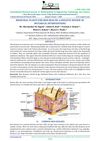 March 2024 in “International Research Journal Of Modernization In Engineering Technology And Science”
 Certain plants like Aloe vera and Neem are effective and safe for treating various skin conditions.
 January 2023 in “International Journal of Indian Medicine”
 Ayurveda offers holistic treatments for hair fall, including therapies and lifestyle changes.
 July 2022 in “Singapore Medical Journal”
 Most children with alopecia areata improved with treatment, but those with more hair loss had worse outcomes.
 July 2021 in “International journal of homoeopathic sciences”
 Homeopathic treatment can help manage alopecia areata in children.
Alopecia Areata has no cure, treatments are limited, and the condition often recurs, but new therapies like JAK inhibitors show promise.
 February 2021 in “International journal of research in dermatology”
 A boy's hair, nails, and skin improved after 6 months of steroid treatment.
 January 2020 in “Revista da Sociedade Portuguesa de Dermatologia e Venereologia”
 Frontal fibrosing alopecia in Brazil mostly affects postmenopausal women, often linked with hypothyroidism and eyebrow hair loss.
 September 2019 in “Journal of Investigative Dermatology”
 Severe Hidradenitis Suppurativa increases missed and unproductive workdays.
 December 2017 in “Springer eBooks”
 Transplant patients often get skin problems, with treatments varying by condition.
 January 2017 in “Journal of Investigative Dermatology Symposium Proceedings”
 The 2015 Hair Research Congress concluded that stem cells, maraviroc, and simvastatin could potentially treat Alopecia Areata, topical minoxidil, finasteride, and steroids could treat Frontal Fibrosing Alopecia, and PTGDR2 antagonists could also treat alopecia. They also found that low-level light therapy could help with hair loss, a robotic device could assist in hair extraction, and nutrition could aid hair growth. They suggested that Alopecia Areata is an inflammatory disorder, not a single disease, indicating a need for personalized treatments.
 January 2017 in “Springer eBooks”
 The document concludes that Cutaneous Lupus Erythematosus has different forms, is influenced by genetic and environmental factors, and can be treated with various medications, but more targeted therapies are needed.
 December 2015 in “Turk Dermatoloji Dergisi”
 The study found that scalp ringworm is the most common fungal infection in children and topical treatments work well.
 March 2014 in “Pediatric Clinics of North America”
 The document discusses how to identify and manage common skin conditions in children.
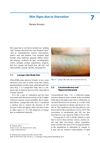 June 2012 in “Springer eBooks”
 Skin changes can indicate starvation and nutritional deficiencies in anorexia nervosa.
 November 1999 in “Australasian Journal of Dermatology”
 The document concludes that there is a need for more research and regulation in dermatology, covering topics like latex allergy in children, the use of botulinum toxin, and treatments for skin conditions.
 November 1995 in “Journal of Pediatric Health Care”
 Most hair loss in kids and teens is due to common conditions, and hair usually grows back within 6 months.
 September 1997 in “Journal of The European Academy of Dermatology and Venereology”
 Hormonal differences affect male pattern baldness.
 80 citations
,
June 2020 in “Dermatopathology”
80 citations
,
June 2020 in “Dermatopathology” COVID-19 can cause various skin lesions, which may result from the virus and immune response, and are not directly linked to illness severity.