33 citations
,
October 2014 in “Veterinary Dermatology” Epidermolysis bullosa is a genetic disease causing fragile skin and blisters in both animals and humans.
 208 citations
,
July 2001 in “Journal of The American Academy of Dermatology”
208 citations
,
July 2001 in “Journal of The American Academy of Dermatology” Pregnancy can cause various skin changes and diseases, with PUPPP being the most common skin condition specific to pregnancy.
 30 citations
,
October 2012 in “Current Opinion in Endocrinology, Diabetes and Obesity”
30 citations
,
October 2012 in “Current Opinion in Endocrinology, Diabetes and Obesity” Thyroid hormones are important for skin health and might help treat skin diseases, but more research is needed to understand their effects fully.
 May 2013 in “Springer eBooks”
 Skin problems in the elderly are unique and may indicate other diseases, involving changes in skin, hair, nails, and increased cancer risk.
 December 2004 in “Medicine”
 A thorough history and examination are crucial for diagnosing skin diseases, which affect up to a third of people. This includes details about skin lesions, medication, general health, lifestyle, family, and contacts, as well as examining the rash, hair, nails, and mucous membranes. Changes in hair and nails can also indicate other medical and skin disorders.
21 citations
,
February 2024 in “JAMA Dermatology” Alopecia areata severity is influenced by factors like long disease duration, relapses, treatment response, and mental health, leading to the creation of a new severity measurement tool.
6 citations
,
November 2018 in “Case reports in nephrology and dialysis” Rituximab may be an effective treatment for Cronkhite-Canada syndrome with kidney disease.
 24 citations
,
July 2011 in “PubMed”
24 citations
,
July 2011 in “PubMed” Thyroid hormones affect skin texture, hair and nail growth, and can cause skin diseases related to thyroid problems.
13 citations
,
February 2017 in “Clinical rheumatology” Tofacitinib may help treat nail dystrophy, especially when other treatments fail.
13 citations
,
April 2009 in “Journal der Deutschen Dermatologischen Gesellschaft” Nail disorders not caused by infection are common and can look similar, with psoriasis being the most frequent and having specific nail symptoms.
 10 citations
,
October 2017 in “Archivos Argentinos De Pediatria”
10 citations
,
October 2017 in “Archivos Argentinos De Pediatria” Most hospitalized children with skin issues were boys, with allergic skin diseases like atopic dermatitis being most common, and treatments were usually topical.
1 citations
,
January 2018 in “Molecular and integrative toxicology” Getting the right amount of selenium is important for health; too little can cause disease, and too much can lead to toxicity.
 1 citations
,
November 2011 in “Archives of Dermatology”
1 citations
,
November 2011 in “Archives of Dermatology” A woman's hair loss was caused by her husband's testosterone gel and a diabetic man's nail disease led to bone infection, both treated successfully.
 May 2018 in “European Journal of Dermatology”
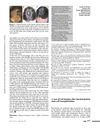
 Adjusting the medication tacrolimus resolved a boy's red nail beds after a stem cell transplant.
1 citations
,
September 2014 in “Turkish Journal of Dermatology” Alopecia areata severity in children is linked to atopy history, disease duration, and nail involvement, but not anemia.
 October 2023 in “Pediatric dermatology”
 Middle Eastern patients with epidermolysis bullosa show specific genetic mutations linked to different types of the disease.
 1 citations
,
January 2013 in “Elsevier eBooks”
1 citations
,
January 2013 in “Elsevier eBooks” The document reviews various hair and nail disorders, their causes, and treatments, emphasizing the need for proper diagnosis and the link between nail changes and systemic diseases.
 February 2023 in “Indian journal of private psychiatry/Indian Journal of Private Psychiatry”
 Valproic acid can rarely cause reversible nail discoloration.
 132 citations
,
July 2000 in “Lupus”
132 citations
,
July 2000 in “Lupus” In Italian patients with lupus, the most common skin issue was chronic cutaneous lupus, especially discoid lesions, and nonspecific skin problems occurred in about a third of those with systemic lupus, mainly during active disease.
 November 2018 in “The European research journal”
 RDW can be a useful marker for inflammation in alopecia areata patients.
 January 2005 in “Elektronische Hochschulschriften der LMU München (Ludwig-Maximilians-Universität München)”
 Topical immunotherapy with DPCP is most effective for certain alopecia areata types, with success linked to age and disease duration, and influenced by a gene polymorphism.
 1 citations
,
October 2020 in “International Journal of Research in Dermatology”
1 citations
,
October 2020 in “International Journal of Research in Dermatology” The study concluded that short vellus hair and yellow dots were the most common signs of alopecia areata, indicating disease activity and remission.
July 2026 in “Skin Appendage Disorders” Nail changes are common in kids with long-lasting alopecia areata.
Nail changes in kids with stubborn alopecia areata often happen with longer illness but aren't linked to how much hair is lost.
8 citations
,
April 2017 in “American Journal of Dermatopathology” Inflammation may cause nail issues in Cronkhite–Canada Syndrome.
 September 2024 in “Cureus”
 A 10-year-old boy's nail condition is mainly cosmetic and improves over time with treatment.
 September 2023 in “Cureus”
 Nails can reveal important health information about skin and body conditions.
31 citations
,
April 2004 in “Journal of Investigative Dermatology” A new mouse gene, Keratin 17n, is mainly found in nail tissue and may explain why mice without Keratin 17 don't have nail issues.
29 citations
,
August 2011 in “PubMed” Hair and nail proteins, mainly keratins, are crucial for structure and can indicate health issues.
 19 citations
,
January 2018
19 citations
,
January 2018 Most people with alopecia areata have nail changes, which are common but don't greatly affect their quality of life.