 January 2024 in “Journal of Ayurveda and integrative medicine”
 Millets may help reduce chemotherapy side effects like nausea, fatigue, and hair loss.
February 2023 in “Biological and Clinical Sciences Research Journal” Chemotherapy often causes hair loss, mouth sores, and dry skin.
January 2023 in “Applied sciences” Equisetum debile extracts may help with skin whitening, anti-wrinkle, and anti-hair loss treatments.
 356 citations
,
December 1986 in “The journal of cell biology/The Journal of cell biology”
356 citations
,
December 1986 in “The journal of cell biology/The Journal of cell biology” Hair and nail cells share similar proteins, indicating a common differentiation pathway.
187 citations
,
May 1988 in “Differentiation” Trichocytic cytokeratins are found in hair, nails, tongue, and thymus cells, showing complex regulation in tissue development.
139 citations
,
October 2005 in “Journal of Investigative Dermatology” The nail matrix has a reduced immune response, protecting it from autoimmunity.
119 citations
,
January 2000 in “British Journal of Dermatology” Different parts of the nail express different keratins, showing unique patterns of differentiation.
101 citations
,
August 2001 in “The Journal of Cell Biology” A new keratin 6 type in mice explains why some mice without certain keratin genes still have normal hair and nails.
84 citations
,
October 2005 in “Annals of Clinical Psychiatry” Hairpulling, skin picking, and nail biting cause significant harm and need more research for better treatments.
76 citations
,
March 2008 in “Journal of the American Academy of Dermatology” Videodermoscopy can help diagnose and monitor nail bed psoriasis.
74 citations
,
October 2012 in “The American Journal of Human Genetics” Mutations in the HOXC13 gene cause hair and nail development issues.
68 citations
,
February 2011 in “European Journal of Pharmaceutics and Biopharmaceutics” Keratin films from human hair can potentially replace human nail plates for drug testing.
68 citations
,
December 2010 in “The journal of investigative dermatology/Journal of investigative dermatology” HOXC13 is essential for hair and nail development by regulating Foxn1.
 56 citations
,
August 2020 in “American Journal of Clinical Dermatology”
56 citations
,
August 2020 in “American Journal of Clinical Dermatology” New tools help assess eyebrow, eyelash, and nail changes in Alopecia Areata, improving understanding of patient experiences.
55 citations
,
February 2013 in “The Anatomical Record” Mouse nails are similar to human nails, making them useful for studying nail diseases.
51 citations
,
May 2008 in “Mycoses” Terbinafine HCl nail solutions with DDAIP HCl are more effective than current treatments for nail infections.
45 citations
,
January 2018 in “International Journal of Dermatology” Nail problems are common in people with alopecia areata, often leading to cosmetic and functional issues, but more research is needed for treatment guidelines.
 42 citations
,
October 2009 in “The journal of investigative dermatology/Journal of investigative dermatology”
42 citations
,
October 2009 in “The journal of investigative dermatology/Journal of investigative dermatology” Mutations in the KRT85 gene cause hair and nail problems.
 41 citations
,
December 2015 in “JAMA Dermatology”
41 citations
,
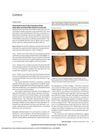
December 2015 in “JAMA Dermatology” Tofacitinib citrate improved nail dystrophy and pain in patients with alopecia universalis without causing side effects.
32 citations
,
May 2016 in “European journal of dermatology/EJD. European journal of dermatology” Targeted therapies for advanced skin cancer often cause hair and nail problems, which need managing to avoid changing the treatment dose.
31 citations
,
April 2004 in “Journal of Investigative Dermatology” A new mouse gene, Keratin 17n, is mainly found in nail tissue and may explain why mice without Keratin 17 don't have nail issues.
30 citations
,
January 2013 in “Human Mutation” A mutation in the HOXC13 gene causes hair and nail problems in a Syrian family.
29 citations
,
August 2011 in “PubMed” Hair and nail proteins, mainly keratins, are crucial for structure and can indicate health issues.
26 citations
,
February 1991 in “PubMed” Trichotillomania can be identified by a "Friar Tuck sign" and nail-biting.
25 citations
,
January 2003 in “Plastic & Reconstructive Surgery” Nail-matrical fibroblasts can make non-nail cells produce hard keratin, useful for nail repair.
22 citations
,
November 2008 in “The journal of investigative dermatology/Journal of investigative dermatology” Cystatin M/E helps in the final stages of hair and nail formation by controlling certain enzymes.
21 citations
,
April 2004 in “Australasian Journal of Dermatology” A 3-year-old girl has a rare condition causing sparse hair and nail issues, with minimal improvement from treatment.
 19 citations
,
January 2018
19 citations
,
January 2018 Most people with alopecia areata have nail changes, which are common but don't greatly affect their quality of life.
 17 citations
,
January 2015 in “International Journal of Trichology”
17 citations
,
January 2015 in “International Journal of Trichology” Frontal fibrosing alopecia may affect nails and could be a type of lichen planus, treatable with certain medications.
15 citations
,
July 2004 in “AIDS” Indinavir therapy can cause reversible skin, hair, and nail darkening.