1 citations
,
January 2020 in “International Journal of Agriculture and Biology” Certain miRNAs are linked to Cashmere goat hair quality.
The nanoemulsions effectively promoted hair growth in male rats.
16 citations
,
July 2021 in “American Journal of Medical Genetics Part A” Mutations in the LSS gene cause hair loss and may affect brain development, with varying severity.
 May 2024 in “The journal of investigative dermatology/Journal of investigative dermatology”
 Applying DMG-Na to the skin increases blood flow and may help with skin conditions.
 5 citations
,
November 2017 in “Asian journal of pharmaceutical and clinical research”
5 citations
,
November 2017 in “Asian journal of pharmaceutical and clinical research” Pakis Gajah (Angiopteris evecta) water extract may promote hair growth in rabbits, but more research is needed for human use.
January 2025 in “International Journal of Advancement in Life Sciences Research” Calotropis gigantea leaf extract causes significant tissue damage and stress in fish.
 October 2022 in “Frontiers in Endocrinology”
 New tools show that in fish, NPY increases feeding and somatostatin decreases it.
June 2026 in “Skin Appendage Disorders” Pili annulati may be more common than thought, so recognizing its features is important for diagnosis.
39 citations
,
December 2012 in “The American Journal of Human Genetics” Mutations in the SNRPE gene cause hereditary hair loss.
 September 2016 in “Journal of Dermatological Science”
 A specific mutation known for causing cancer is also found to cause a skin condition in a young girl.
 November 2014 in “Journal of Cell Biology”
 Valentina Greco's research shows that the environment around hair follicle stem cells is more crucial for regeneration than the stem cells themselves.
33 citations
,
September 1987 in “American Journal of Medical Genetics” Uncombable hair is inherited dominantly with complete penetrance.
 September 2025 in “OBM Genetics”
 Early diagnosis and comprehensive management improve life quality for Netherton syndrome patients.
18 citations
,
December 2002 in “European Journal of Biochemistry” MsPG3 protein gathers at root hair tips, aiding growth.
9 citations
,
September 2022 in “Pharmaceutics” Porcine placenta extract may improve hair growth and skin health.
71 citations
,
June 2007 in “Bioorganic & Medicinal Chemistry Letters” PLGA nanospheres improve hair growth by effectively delivering ingredients to hair follicles.
1 citations
,
September 2025 in “Frontiers in Veterinary Science” Ganxi goats' skin and hair adapt to heat and humidity, possibly aided by GSDMA protein.
39 citations
,
September 2007 in “BMC developmental biology” Neuregulin3 affects cell development in the skin and mammary glands.
Trichorrhexis nodosa causes hair to break easily, often affecting young to middle-aged black women.
June 2026 in “Journal of Dermatological Science” N,N-Dimethylglycine sodium salt helps prevent hair loss and promotes hair growth.
August 2023 in “Zenodo (CERN European Organization for Nuclear Research)” 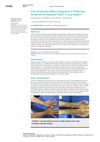
Doctors should consider Netherton syndrome in patients with chronic skin and hair issues to avoid misdiagnosis.
August 2023 in “Zenodo (CERN European Organization for Nuclear Research)” January 2025 in “Repository of Digital Objects for Teaching Research and Culture (University of Valencia)” Non-coding RNAs may be key in diagnosing and treating rare skin disorders.
8 citations
,
May 2005 in “The American journal of dermatopathology/American journal of dermatopathology” The hair defect is due to abnormal inner root sheath keratinization.
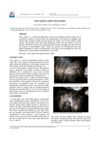
An adult Libyan woman was successfully treated for a rare scalp infection usually seen in children.
18 citations
,
September 1994 in “Clinical and Experimental Dermatology” Localized trichorrhexis nodosa is a hair condition where hair becomes fragile and breaks easily due to damage.
1 citations
,
September 2024 in “Veterinary Dermatology” Trichography is important for diagnosing hair fragility in Pomeranian dogs with hair cycle issues.
 January 2025 in “Journal of Applied Pharmaceutical Science”
 Peppermint oil in a special gel helps hair grow better.
 3 citations
,
January 2016 in “Biotechnology and Bioprocess Engineering”
3 citations
,
January 2016 in “Biotechnology and Bioprocess Engineering” Laminaria japonica extract with IGF-1 improved mouse hair growth and could be a potential alopecia treatment.