21 citations
,
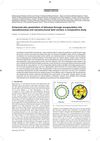
September 2019 in “International Journal of Nanomedicine” RADA16-I can effectively deliver and release mangiferin, improving its solubility and bioavailability.
 15 citations
,
May 2016 in “Die Pharmazie”
15 citations
,
May 2016 in “Die Pharmazie” Nanostructured lipid carriers deliver lidocaine to the skin better than nanoethosomes.
 14 citations
,
May 2022 in “Asian Journal of Pharmaceutical Sciences”
14 citations
,
May 2022 in “Asian Journal of Pharmaceutical Sciences” New hair follicle-targeting treatments show promise for hair disorders but need more research on safety and effectiveness.

DOPE:DOPC liposomes can improve targeted cancer drug delivery, reducing side effects and increasing effectiveness.
 28 citations
,
September 2019 in “International Journal of Nanomedicine”
28 citations
,
September 2019 in “International Journal of Nanomedicine” Minoxidil nanoparticles can potentially be a more effective treatment for hair growth than current treatments.
January 2010 in “EPub Bayreuth (University of Bayreuth)” Polyquaternium-87 reduces hair friction the most among tested polymers.
124 citations
,
April 2000 in “Nature biotechnology” 
Candlenut oil nanoemulsion increases hair growth in male rats and remains stable for 14 days at room temperature.
The new method accurately measures active ingredients in hair nourishment products.
 1 citations
,
March 2019 in “Journal of AOAC INTERNATIONAL”
1 citations
,
March 2019 in “Journal of AOAC INTERNATIONAL” New method quickly and accurately measures dexpanthenol in hair products.
 55 citations
,
March 1973 in “PubMed”
55 citations
,
March 1973 in “PubMed” Minoxidil is a new drug that lowers blood pressure.
78 citations
,
May 2019 in “Frontiers in Cellular and Infection Microbiology” DPK-060 in poloxamer gel effectively treats skin infections, but nanocarriers don't enhance its efficacy.
 April 2025 in “Indian Journal of Pharmaceutical Education and Research”
 Nanofibers improve skincare products by enhancing drug delivery and hydration.
 136 citations
,
January 2013 in “International Journal of Trichology”
136 citations
,
January 2013 in “International Journal of Trichology”  1 citations
,
June 2020 in “Journal of AOAC INTERNATIONAL”
1 citations
,
June 2020 in “Journal of AOAC INTERNATIONAL” Two new methods accurately measure Aminexil, Pyridoxine, and Niacinamide in hair products.
 2 citations
,
December 2019 in “Veterinary Dermatology”
2 citations
,
December 2019 in “Veterinary Dermatology” Microneedling with platelet-rich plasma helps dog hair regrow faster than microneedling alone.
 June 2023 in “International Journal of Clinical Research and Reports”
 Method B with propylene glycol is better for stable low-concentration DPCP solutions for alopecia areata.
December 2020 in “Macromolecular Symposia” These polymers can improve hair texture and reduce water loss in hair cosmetics.
January 2016 in “Huanjing yu Jiankang Zazhi”  226 citations
,
January 2002 in “Biological and Pharmaceutical Bulletin”
226 citations
,
January 2002 in “Biological and Pharmaceutical Bulletin” A new method quickly extracts and identifies proteins from hair and other keratin sources.
32 citations
,
March 2009 in “AAPS PharmSciTech” 7 citations
,
January 2022 in “Bioengineering” The formulation with oleic acid may be better for treating male pattern baldness.
7 citations
,
June 2015 in “EMBO Reports” Forensic DNA phenotyping can help generate new leads in cold cases but faces accuracy, legal, and acceptance challenges.

The treatment showed promising results in improving advanced-stage hair loss.
 January 2023 in “International Journal of Pharmaceutical Research and Development”
 Nanotechnology therapies can help improve quality of life for those with hair loss.
January 2023 in “Journal of Clinical and Diagnostic Research” Microneedling with PRP is as effective and safe as minoxidil+finasteride for treating hair loss.
 2 citations
,
September 2016 in “Journal of Dermatological Science”
2 citations
,
September 2016 in “Journal of Dermatological Science” Squarticles, tiny particles made from sebum-derived lipids, can effectively deliver minoxidil, a hair growth drug, directly to hair follicles and skin cells, with less skin penetration and more tolerability.
Defective protein folding due to a mutation is key in ANE syndrome.
November 2014 in “DOAJ (DOAJ: Directory of Open Access Journals)” Nanostructured lipid carriers can effectively deliver spironolactone to hair follicles for treating hair loss.

IP-PA1 helps grow hair in mice and affects human cell growth-related genes differently than traditional hair growth treatments.