 13 citations
,
April 2009 in “Acta Medica Scandinavica”
13 citations
,
April 2009 in “Acta Medica Scandinavica” Minoxidil lowers blood pressure and causes hair growth, with some side effects.
 1 citations
,
January 2018 in “International Journal of Research in Dermatology”
1 citations
,
January 2018 in “International Journal of Research in Dermatology” Adding finasteride to minoxidil solution for hair loss treatment didn't show extra benefits, just increased cost and fear of side effects.
February 2023 in “Reactions Weekly”  April 2020 in “Dermatology and therapy”
 New 5% minoxidil solution improves scalp hydration, reduces redness, and may be safer for sensitive users.
 4 citations
,
March 2020 in “Scientific Reports”
4 citations
,
March 2020 in “Scientific Reports” Scientists created a colored thread-like material containing a common hair loss treatment, which slowly releases the treatment over time, potentially offering an effective, neat, and visually appealing solution for hair loss.
April 1985 in “Plastic & Reconstructive Surgery” Topical minoxidil can help regrow hair in alopecia areata but is less effective for severe cases.
September 2025 in “OPAL (Open@LaTrobe) (La Trobe University)” Combining minoxidil with other treatments like platelet-rich plasma or finasteride increases hair growth more than minoxidil alone.
 54 citations
,
June 1985 in “American Journal of Dermatopathology”
54 citations
,
June 1985 in “American Journal of Dermatopathology” Minoxidil helps grow longer, thicker hair in bald scalps of stumptailed macaques, and early treatment is more effective.
Minoxidil can cause hair to turn yellow.
 32 citations
,
March 2013 in “Journal of Pharmaceutical Sciences”
32 citations
,
March 2013 in “Journal of Pharmaceutical Sciences” Iontophoresis improves minoxidil delivery for alopecia treatment.
July 2025 in “OPAL (Open@LaTrobe) (La Trobe University)” Maslinic acid from olive extracts promotes hair growth like minoxidil.
 10 citations
,
February 2016 in “Anais Brasileiros de Dermatologia”
10 citations
,
February 2016 in “Anais Brasileiros de Dermatologia” Topical minoxidil can cause excessive hair growth in children, so use it carefully.
 2 citations
,
October 2020 in “Más dermatología”
2 citations
,
October 2020 in “Más dermatología” Choose between topical and oral minoxidil for hair growth based on personal tolerance and side effects.
 April 2025 in “Al-Azhar International Medical Journal /Al-Azhar International Medical Journal”
 Minoxidil is the most common treatment for male hair loss, but sildenafil shows promise as an alternative.
 May 2024 in “Journal of cosmetic dermatology”
 Topical finasteride/minoxidil is effective but not better than oral finasteride for hair loss.
December 2015 in “OPAL (Open@LaTrobe) (La Trobe University)” Minoxidil sulfate significantly improved hair growth in mice.
 11 citations
,
July 1988 in “International Journal of Dermatology”
11 citations
,
July 1988 in “International Journal of Dermatology” The study found that using 2% minoxidil solution can help grow hair and is safe.
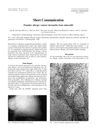 17 citations
,
May 1998 in “Contact Dermatitis”
17 citations
,
May 1998 in “Contact Dermatitis” Minoxidil can cause pustular allergic reactions on skin.
2 citations
,
January 1986 in “Dermatology” Minoxidil helps regrow hair lost due to androgenetic alopecia.
March 2013 in “International Society of Hair Restoration Surgery” No conclusive evidence links topical minoxidil to heart rhythm issues.
 41 citations
,
March 1987 in “Journal of The American Academy of Dermatology”
41 citations
,
March 1987 in “Journal of The American Academy of Dermatology” Topical minoxidil effectively treats male pattern baldness and prevents hair loss.
 8 citations
,
May 1987 in “Journal of The American Academy of Dermatology”
8 citations
,
May 1987 in “Journal of The American Academy of Dermatology” UV light does not significantly affect minoxidil's ability to treat male pattern baldness.
3 citations
,
November 1983 in “BMJ” 2 citations
,
April 1984 in “BMJ” 5 citations
,
September 2021 in “Dermatologic Therapy” Oral minoxidil effectively treats female pattern hair loss and is a good alternative to topical minoxidil.
1 citations
,
April 2025 in “Drug Delivery and Translational Research”  14 citations
,
September 2020 in “Dermatologic Therapy”
14 citations
,
September 2020 in “Dermatologic Therapy” Oral minoxidil improves hair density in women with androgenetic alopecia, with mild side effects.
 54 citations
,
March 1987 in “Journal of The American Academy of Dermatology”
54 citations
,
March 1987 in “Journal of The American Academy of Dermatology” 3% topical minoxidil effectively treats extensive alopecia areata with few side effects.
 3 citations
,
April 2016 in “PubMed”
3 citations
,
April 2016 in “PubMed” Using Minoxidil 5% foam with a botanical hair solution twice daily can significantly improve hair growth and appearance in men with hair loss, and is generally well-tolerated.
7 citations
,
August 2024 in “JAAD reviews.” Minoxidil can cause unwanted hair growth, so personalized care and support are important.