 1 citations
,
October 2017 in “Food Additives & Contaminants: Part A”
1 citations
,
October 2017 in “Food Additives & Contaminants: Part A” A new minoxidil-like substance, triaminodil, was found in an illegal hair growth supplement.
 July 1987 in “Reactions (Auckland)”
 Oral minoxidil may slow male pattern baldness and cause body hair growth, but hair loss can happen after stopping it.
 15 citations
,
November 2017 in “Drug Delivery and Translational Research”
15 citations
,
November 2017 in “Drug Delivery and Translational Research” Certain extracts from Curcuma aeruginosa Roxb. and germacrone can boost the skin's absorption of minoxidil, a hair growth promoter, making it more effective.
 18 citations
,
March 2014 in “Drug Development and Industrial Pharmacy”
18 citations
,
March 2014 in “Drug Development and Industrial Pharmacy” New gel formulas without ethanol and propylene glycol, containing a minoxidil-methyl-β-cyclodextrin complex, have been created for treating hair loss.
 17 citations
,
October 2013 in “F1000Research”
17 citations
,
October 2013 in “F1000Research” A 2-year-old boy grew excessive hair after using minoxidil for hair loss, but it improved when the treatment stopped.
 January 2025 in “Dermatologic Therapy”
 Low-dose oral minoxidil may help with symptoms and hair regrowth in lichen planopilaris without serious side effects.
6 citations
,
January 1988 in “PubMed” Topical minoxidil does not increase skin blood flow.
 4 citations
,
March 2017 in “PubMed”
4 citations
,
March 2017 in “PubMed” Increasing the dosage of minoxidil can help hair regrowth in women who didn't respond to the standard treatment.
 8 citations
,
January 2020 in “Journal of Cutaneous Medicine and Surgery”
8 citations
,
January 2020 in “Journal of Cutaneous Medicine and Surgery” Oral minoxidil may improve hair loss in men and women, but has some side effects.
 November 2020 in “Ukraïnsʹkij žurnal sučasnih problem toksikologìï”
 Minoxidil lotion may harm male reproductive health.
10 citations
,
November 1993 in “Indian Journal of Dermatology Venereology and Leprology” Minoxidil can cause erythema multiforme, even if patch tests are negative.
 4 citations
,
May 2020 in “Medicine in Drug Discovery”
4 citations
,
May 2020 in “Medicine in Drug Discovery” The study developed a method to detect minoxidil and its sulfate form, found that minoxidil sulfate is temperature-sensitive, and identified a way to potentially increase its stability for hair loss treatment.
 July 2024 in “Journal of the American Academy of Dermatology”
 Low-dose oral minoxidil is generally safe for hypertensive patients with hair loss.
 November 1999 in “Reactions Weekly”
10% minoxidil improves frontal hair count more than 5% but has more side effects.
 December 2024 in “Journal of Clinical Medicine”
 Minoxidil shows promise for alopecia areata, but more research is needed before it can be recommended as a primary treatment.
 31 citations
,
October 2002 in “Dermatologic Surgery”
31 citations
,
October 2002 in “Dermatologic Surgery” Minoxidil helps stabilize hair loss, increase density, and reduce shedding after hair transplant surgery.
 2 citations
,
August 2016 in “Química Nova”
2 citations
,
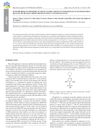
August 2016 in “Química Nova” Using iontophoresis on minoxidil sulphate-loaded chitosan nanoparticles increases drug release but reduces its targeting to hair follicles.
 July 2023 in “Archives of Dermatological Research”
 Minoxidil may help with hair loss caused by cancer treatments.
13 citations
,
December 1987 in “British Journal of Dermatology” Increased T cell activity may predict hair regrowth success with minoxidil in severe alopecia areata.
 1 citations
,
February 2022 in “JAMA Dermatology”
1 citations
,
February 2022 in “JAMA Dermatology” Minoxidil and finasteride are FDA-approved treatments for male hair loss, but off-label use of oral minoxidil, dutasteride, and higher doses of finasteride and minoxidil is increasing.
 August 2020 in “Journal of The American Academy of Dermatology”
 Oral minoxidil can improve hair thickness and a comprehensive treatment approach leads to better alopecia outcomes.
 August 2023 in “Dermatology Reports”
 Minoxidil, a common hair treatment, may cause hair to turn grey or change color, especially with long-term use or if you have a family history of grey hair.
 63 citations
,
April 2003 in “Journal of The European Academy of Dermatology and Venereology”
63 citations
,
April 2003 in “Journal of The European Academy of Dermatology and Venereology” Minoxidil use increases facial hair growth in females, more in older users.
 April 2024 in “Anais brasileiros de dermatologia/Anais Brasileiros de Dermatologia”
 Using both minoxidil and biotin together increased hair growth more than using either one alone.
 May 2023 in “Elsevier eBooks”
 Minoxidil, finasteride, and dutasteride are treatments for hair loss.
 1 citations
,
August 2018 in “Journal of The American Academy of Dermatology”
1 citations
,
August 2018 in “Journal of The American Academy of Dermatology” Combination of minoxidil and finasteride is more effective in increasing hair diameter than minoxidil alone for female-pattern hair loss.
2 citations
,
May 2022 in “Advanced therapeutics” A new microneedle system effectively delivers a vasodilator to hair follicles, promoting hair growth better than current treatments.
 19 citations
,
July 2020 in “Journal of drug delivery science and technology”
19 citations
,
July 2020 in “Journal of drug delivery science and technology” Nanoemulsions with minoxidil and clove oil effectively target hair follicles for better alopecia treatment.
 September 2024 in “Journal of the American Academy of Dermatology”
 Experts agree on guidelines for safely using low-dose oral minoxidil to treat hair loss.