 April 2025 in “International Journal of Research in Dermatology”
 Combining Ayurvedic therapies with minoxidil is more effective for hair growth in men than using minoxidil alone.
 August 2024 in “Archives of Dermatological Research”
 Low-dose oral minoxidil is effective and safe for treating androgenetic alopecia.
 November 2025 in “Discover Pharmaceutical Sciences”
 The essential oils nanoemulsion promotes hair growth better than 2% minoxidil in mice.
1 citations
,
September 2021 in “Frontiers in Endocrinology” Minoxidil can help transgender males grow facial hair before starting testosterone therapy.
 February 2025 in “Clinical & Experimental Dermatology and Therapies”
 Combining supplements with minoxidil improves hair growth more than minoxidil alone.
 April 2026 in “Al-Mustaqbal Journal of Pharmaceutical and Medical Sciences”
 Nifedipine cream promotes more hair growth than minoxidil.
4 citations
,
February 2015 in “PubMed” The emu oil emulsion with minoxidil was better at promoting hair growth than the commercial product.
 13 citations
,
November 2014 in “Pediatric emergency care”
13 citations
,
November 2014 in “Pediatric emergency care” Ingesting minoxidil can cause serious heart issues; keep away from children and improve packaging.
23 citations
,
July 1993 in “The journal of investigative dermatology/Journal of investigative dermatology” Certain chemicals and peptides can promote hair growth or prevent baldness.
 7 citations
,
January 2021 in “Cureus”
7 citations
,
January 2021 in “Cureus” A woman had an allergic skin reaction to a hair loss treatment containing minoxidil and should not use it.
5 citations
,
April 2025 in “Journal of the American Academy of Dermatology” Use minoxidil correctly and be aware of side effects for best hair loss treatment results.
Minoxidil can treat female hair loss but may cause side effects.
 July 2024 in “Skin Appendage Disorders”
 Low dose oral minoxidil is safe for treating hair loss in men.
1 citations
,
July 2016 in “PubMed” Once-daily 5% minoxidil foam and twice-daily 2% minoxidil solution are similarly effective and safe for female pattern hair loss.
 January 2025 in “Journal of Materials Chemistry B”
 The microneedle patch with CuxO nanozymes effectively promotes hair growth for treating hair loss.
 16 citations
,
March 1981 in “PubMed”
16 citations
,
March 1981 in “PubMed” Minoxidil significantly lowers blood pressure in patients with hard-to-treat hypertension, but can cause fluid retention and excessive hair growth.
 1 citations
,
January 2018 in “Eastern Journal Of Medicine”
1 citations
,
January 2018 in “Eastern Journal Of Medicine” Topical minoxidil can cause serious heart issues in children.
 12 citations
,
January 2014 in “The Pan African medical journal”
12 citations
,
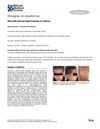
January 2014 in “The Pan African medical journal” Minoxidil caused unwanted hair growth in a child, but stopped after stopping treatment.
 July 2024 in “Journal of Investigative Dermatology”
 Most women continued using oral minoxidil for hair loss despite mild to moderate side effects.
January 2020 in “Korean journal of ophthalmology/Korean Journal of Ophthalmology” Minoxidil increases cell layer permeability by reducing tight junction proteins and raising ROS levels.
 96 citations
,
October 1981 in “Drugs”
96 citations
,
October 1981 in “Drugs” Minoxidil effectively treats severe hypertension but may cause side effects, so careful monitoring is needed.
 August 2019 in “Journal of The American Academy of Dermatology”
 5% minoxidil foam effectively regrows hair in women, with postmenopausal women seeing the most improvement.
 14 citations
,
May 2005 in “Farmaco”
14 citations
,
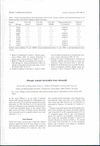
May 2005 in “Farmaco” A method was created in 2005 to identify minoxidil, a hair growth ingredient, in products using two types of capillary zone electrophoresis, and it found that most products had about 2% minoxidil.
 9 citations
,
January 1992 in “Contact Dermatitis”
9 citations
,
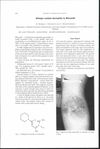
January 1992 in “Contact Dermatitis” Some people using minoxidil for hair loss developed an allergic skin reaction, often related to an ingredient that helps minoxidil work better.
 29 citations
,
August 1985 in “Contact Dermatitis”
29 citations
,
August 1985 in “Contact Dermatitis” Minoxidil can cause allergic reactions like burning, itching, and red bumps.
 March 2005 in “Journal of The American Academy of Dermatology”
 Two cosmetic lotions improved hair growth and had better cosmetic effects than 2% minoxidil.
1 citations
,
December 2007 in “Journal of Microbiology and Biotechnology” Minoxidil in triamino alpha-cyclodextrin promotes hair growth effectively.

Low-dose oral minoxidil is effective for treating hair loss with personalized plans and safety monitoring.
December 2025 in “Processes” Minoxidil dissolves best in shea butter, stearic acid, and rosemary oil, which may improve hair growth treatments.
 February 2026 in “PubMed”
 Microneedles with Astragalus and minoxidil improve hair growth.