6 citations
,
January 2016 in “Indian Journal of Dermatology Venereology and Leprology” Most hair dyes can cause allergic reactions, so test before use.
 September 2023 in “PubMed”
 Baricitinib is a relatively safe and effective treatment for severe alopecia areata.
 February 2010 in “Journal of The American Academy of Dermatology”
 NB-002 is a promising new topical treatment for fungal nail infections, showing better results than a non-medicated option.
May 2024 in “Journal of the Egyptian Womenʼs Dermatologic Society” Diphenylcyclopropenone is effective and safe for treating severe alopecia areata in children, with maintenance therapy reducing relapse risk.
 4 citations
,
October 2020 in “Toxicology Mechanisms and Methods”
4 citations
,
October 2020 in “Toxicology Mechanisms and Methods” Hesperidin protects rat testicles from finasteride damage and improves sperm health.
50 citations
,
December 2017 in “Nanoscale” Polymeric micelle nanocarriers deliver adapalene more effectively to hair follicles than commercial products.
May 2024 in “International journal of medicine and psychology.” Ticagrelor works better than clopidogrel in reducing platelet activity in elderly patients with acute coronary syndrome.
9 citations
,
July 2022 in “Journal of Clinical Oncology” Oral paclitaxel plus encequidar improved tumor response and caused less neuropathy but more serious infections than intravenous paclitaxel.
January 1975 in “NJEA Review” The drug showed promise in treating renal cell carcinoma with manageable side effects.
 December 2025 in “Zenodo (CERN European Organization for Nuclear Research)”
 Current drug safety systems fail to detect long-term side effects, leading to preventable health issues.
January 2024 in “Pharmacoepidemiology” Patients with rheumatoid arthritis using tofacitinib had more serious side effects than those with alopecia areata.
August 2020 in “European Journal of Dermatology” Dutasteride for hair loss can cause skin reactions like itchy red plaques.
April 2023 in “Journal of Investigative Dermatology” Patients and doctors often disagree on alopecia areata severity and treatment satisfaction.
 2 citations
,
October 2002 in “American Journal of Nursing”
2 citations
,
October 2002 in “American Journal of Nursing” Taking the same medication under different brand names caused harmful side effects.
 January 2026 in “Nanoscale Advances”
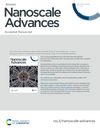
 The nanocomposite effectively targets lung cancer cells without harming normal cells.
 January 2023 in “National journal of physiology, pharmacy and pharmacology”
 Low-dose methotrexate is generally safe but can cause mild to severe side effects, and folic acid can reduce these risks.
 March 2026 in “Indian Dermatology Online Journal”
 Hair dye ingredient PPD can cause severe allergic reactions, including facial swelling.
Low-dose oral minoxidil is generally safe for treating hair loss, with mostly mild side effects.
5 citations
,
March 2020 in “Thoracic Cancer” CT-707 is effective and safe for treating certain Chinese lung cancer patients.
 March 2026 in “Journal of Pakistan Association of Dermatologists”
 Tofacitinib helps hair regrowth in alopecia areata but relapse is common after stopping treatment.
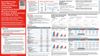 November 2025 in “SKIN The Journal of Cutaneous Medicine”
 Baricitinib works better in adolescents than adults for treating severe alopecia areata.
 May 2024 in “European urology focus”
 Drugs for prostate enlargement and hair loss were not linked to increased risk of depression or suicide.
 April 2016 in “Journal of The American Academy of Dermatology”
 People with certain allergic conditions or higher white blood cell counts have more severe hair loss, and treating hair and nail side effects early in melanoma therapy can improve quality of life.
1 citations
,
January 2025 in “CPT Pharmacometrics & Systems Pharmacology” Ritlecitinib effectively regrows eyebrow and eyelash hair in alopecia areata, with 50 mg being the best dose.
6 citations
,
December 2021 in “Journal of Clinical Medicine” LiPADI is a useful tool for monitoring the severity and treatment of lichen planus.
August 2003 in “药物不良反应杂志” Combining finasteride and terazosin can cause severe allergic reactions.
 6 citations
,
February 2023 in “Advances in Therapy”
6 citations
,
February 2023 in “Advances in Therapy” Baricitinib, a drug for rheumatoid arthritis, atopic dermatitis, and alopecia areata, is generally safe with low risk of major side effects, even in patients with risk factors. It's also effective in promoting hair regrowth in alopecia areata patients.
21 citations
,
May 2023 in “The Journal of Allergy and Clinical Immunology In Practice” 8 citations
,
April 2018 in “Journal of the European Academy of Dermatology and Venereology” Certain genetic variations can make people more likely to experience hair loss and low white blood cell count from azathioprine.