 56 citations
,
December 2011 in “Steroids”
56 citations
,
December 2011 in “Steroids” The document suggests treating individuals with nonclassic congenital adrenal hyperplasia who show symptoms, especially those related to excess male hormones.
Higher nitric oxide synthase levels in the scalp may influence hair loss in androgenetic alopecia.
October 2025 in “Journal of Clinical Medicine” Patients with certain baseline characteristics are more likely to benefit early from baricitinib for alopecia areata.
 98 citations
,
July 2011 in “Fertility and Sterility”
98 citations
,
July 2011 in “Fertility and Sterility” An mFG score of 5 or more indicates above-normal hair growth in Southern Chinese women.
 October 2023 in “Revista Medicina Cutánea Ibero-Latino-Americana”
 Alopecia areata often appears on the scalp and is linked to various health issues, needing thorough evaluation.
48 citations
,
January 2020 in “Cochrane Database of Systematic Reviews” Serlopitant may help reduce itch, but more research is needed.
6 citations
,
April 2016 in “Australasian journal of dermatology” Renal transplant patients on tacrolimus and sirolimus may develop acne keloidalis nuchae.
January 2026 in “Scientific Reports” Certain blood cell ratios are higher in kids with alopecia areata and might help predict the disease.
 January 2019 in “Przegląd Dermatologiczny”
 An 87-year-old woman was diagnosed with type 3 autoimmune polyendocrine syndrome and had multiple autoimmune issues.
January 2016 in “mediaTUM – the media and publications repository of the Technical University Munich (Technical University Munich)” A new test using NOS2 and CCL27 genes can better diagnose and treat psoriasis and eczema.
March 2026 in “Journal of Clinical Oncology” Using 5-α-reductase inhibitors before treatment improves outcomes for patients with metastatic renal cell carcinoma.
 May 2020 in “Hair transplant forum international”
 Most Indian men aged 50-55 have a safe area for hair transplants, but selection should be careful to avoid overharvesting.
 40 citations
,
January 2010 in “Annales D Endocrinologie”
40 citations
,
January 2010 in “Annales D Endocrinologie” The French Endocrine Society suggests diagnosing PCOS with two of three signs, recommends lifestyle changes and clomiphene for treatment, and calls for more research on certain treatments and tests.
June 2025 in “British Journal of Dermatology” Consider amyloidosis in patients with specific nail changes and check for systemic issues.
 6 citations
,
December 2018 in “The American Journal of Dermatopathology”
6 citations
,
December 2018 in “The American Journal of Dermatopathology” Early shedding of the inner root sheath in noninflamed hair follicles is a relatively specific sign of Central Centrifugal Cicatricial Alopecia.
 September 2018 in “Value in Health”
 Orphan drug benefit scores in Germany are influenced by phase III data and lack of alternatives, but not linked to price or discounts.
 97 citations
,
February 2007 in “Clinical Obstetrics and Gynecology”
97 citations
,
February 2007 in “Clinical Obstetrics and Gynecology” The definition of Polycystic Ovary Syndrome may change with new research, and careful screening is key for managing the condition.
5 citations
,
October 2021 in “Clinical, cosmetic and investigational dermatology” Japanese patients with alopecia areata often have a higher BMI and consume more vitamin C, fruit, and retinol, which may affect their condition's development or severity.
October 2021 in “DOAJ (DOAJ: Directory of Open Access Journals)” High retinol intake may worsen hair loss in alopecia areata.
32 citations
,
March 2018 in “Neoplasia” Nephronectin is linked to worse breast cancer outcomes and helps cancer spread.

No single biomarker is reliable enough for diagnosing and assessing SLE.
January 2016 in “Zurich Open Repository and Archive (University of Zurich)” Dietary L-serine supplementation can reduce symptoms of HSAN1 by lowering harmful 1-deoxySL levels.
 22 citations
,
November 2021 in “Dermatology and Therapy”
22 citations
,
November 2021 in “Dermatology and Therapy” The AAPPO questionnaire is a reliable tool for assessing hair loss impact in alopecia areata patients.
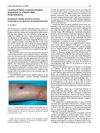 3 citations
,
March 2012 in “Actas Dermo-Sifiliográficas”
3 citations
,
March 2012 in “Actas Dermo-Sifiliográficas” An elderly man with skin amyloidosis and abnormal blood proteins was monitored without finding widespread disease after 18 months.
 March 2016 in “West Indian medical journal”
 There is no significant link between alopecia areata and the PON1 enzyme polymorphisms studied.
 117 citations
,
May 2017 in “Human Reproduction Update”
117 citations
,
May 2017 in “Human Reproduction Update” The update highlights that non-classic congenital adrenal hyperplasia is common in women with excess male hormones, requires specific hormone tests for diagnosis, and has various treatment options depending on age and symptoms.
 4025 citations
,
December 2003 in “Human Reproduction”
4025 citations
,
December 2003 in “Human Reproduction” The 2003 consensus updated PCOS diagnosis criteria and linked PCOS to higher risks of diabetes and heart problems, recommending lifestyle changes to lower these risks.
 November 2025 in “Frontiers in Nutrition”
 Better nutrition may reduce fecal incontinence in stroke patients by lowering inflammation and improving antioxidant levels.
 October 2021 in “Revista Medicina Cutánea Ibero-Latino-Americana”
 PRIDE syndrome helps identify skin side effects from EGFR inhibitors like erlotinib.
47 citations
,
November 1966 in “Archives of Dermatology” Trichorrhexis nodosa is mainly caused by hair trauma, not a metabolic defect.