37 citations
,
November 2011 in “Photodermatology Photoimmunology & Photomedicine” Narrowband UVB phototherapy alone is not very effective for treating alopecia areata.
 25 citations
,
April 2019 in “Journal of The American Academy of Dermatology”
25 citations
,
April 2019 in “Journal of The American Academy of Dermatology” Using 2% tofacitinib cream with narrowband ultraviolet B improved facial vitiligo by 70% in patients who didn't respond to previous treatments, with no side effects reported.
 9 citations
,
June 2019 in “Archives of Dermatological Research”
9 citations
,
June 2019 in “Archives of Dermatological Research” Both topical calcipotriol and narrowband UVB improved alopecia, but combining them didn't enhance the effect on hair loss severity, despite higher vitamin D3 levels.
 4 citations
,
December 2024 in “Clinical Cosmetic and Investigational Dermatology”
4 citations
,
December 2024 in “Clinical Cosmetic and Investigational Dermatology” Combining baricitinib with UV-B therapy effectively treats non-segmental vitiligo and is well-tolerated.
 April 2023 in “Journal of Investigative Dermatology”
 Narrowband Ultraviolet B treatment can significantly reduce anxiety in psoriasis patients, but it doesn't significantly affect depression.
18 citations
,
January 2015 in “International Journal of Trichology” Intralesional steroids are more effective for hair regrowth in alopecia areata than NBUVB, but combining them doesn't improve results.
 7 citations
,
April 2020 in “Curēus”
7 citations
,
April 2020 in “Curēus” Combining hair transplantation with microneedling or laser and UV light may help treat tough vitiligo on hands and feet, with microneedling being affordable and easy to learn.
NB-UVB phototherapy is an effective and safe treatment for vitiligo, especially on hands and feet, and can be improved with tacrolimus.
74 citations
,
February 2018 in “Journal of the American Academy of Dermatology” 2 citations
,
December 2013 in “Journal of Cosmetic Dermatology” UV treatment can damage hair, so protection is advised.
72 citations
,
November 1997 in “Clinics in dermatology” Vitiligo is a skin condition causing white patches, likely due to an autoimmune issue.
 7 citations
,
August 2009 in “The Journal of Rheumatology Supplement”
7 citations
,
August 2009 in “The Journal of Rheumatology Supplement” Retinoids and narrowband UVB phototherapy are effective for treating psoriasis and can reduce treatment time when used together.
 1 citations
,
January 2018 in “Journal of clinical & experimental dermatology research”
1 citations
,
January 2018 in “Journal of clinical & experimental dermatology research” The study found no link between vitamin D deficiency and psoriasis but suggests more research is needed.
 August 2025 in “Indian Dermatology Online Journal”
 Combining minoxidil with phototherapy improves vitiligo treatment better than phototherapy alone.
 April 2024 in “Lasers in medical science”
 Lasers and light therapies are effective in promoting hair regrowth for different types of hair loss.
Lasers and light therapy are effective for treating skin conditions like hair loss, vitiligo, psoriasis, and molluscum contagiosum.
 March 2005 in “Journal of The American Academy of Dermatology”
 Mycophenolate mofetil improved skin condition in a man with nephrogenic fibrosing dermopathy.
 July 2003 in “Journal of Cutaneous Medicine and Surgery”
 Stopping certain drugs can improve skin conditions, arsenicosis affects over half of a Bangladeshi village, males are more vulnerable, and certain treatments are effective for warts, acne, and psoriasis. Smoking and drinking are linked to psoriasis in men, a cream helps with a type of skin cancer, and low iron levels don't directly cause chronic hair loss in women.
 November 2024 in “Health Science Reports”
 Light/laser therapy can effectively increase hair density in some types of alopecia, especially androgenic alopecia and alopecia areata.
 4 citations
,
October 2020 in “JAAD Case Reports”
4 citations
,
October 2020 in “JAAD Case Reports” Platelet-rich plasma may improve vitiligo treatment when used with phototherapy.
 November 2011 in “Australasian Journal of Dermatology”
 Cellulite may be linked to low adiponectin, isotretinoin with UVB can treat psoriasis effectively, permanent alopecia post-chemotherapy resembles a unique hair loss, deodorants may cause fragrance allergies, desmoplastic melanoma is becoming more common, and intensive UVB treatment can give long-term psoriasis remission.
65 citations
,
November 2008 in “Pediatric Dermatology” Phototherapy is effective and well-tolerated for treating childhood psoriasis and pityriasis lichenoides chronica.
6 citations
,
January 2018 in “International Journal of Dermatology” Repigmentation patterns in vitiligo depend on melanocyte source, lesion status, and therapy choice.
2 citations
,
October 2024 in “PubMed” Dermatologic procedures show promise for treating seborrheic dermatitis, but more research is needed for cost, effectiveness, and safety.
 2 citations
,
August 2022 in “Federal Practitioner”
2 citations
,
August 2022 in “Federal Practitioner” A severe medication reaction required long treatment and led to hair loss and thyroid issues.
January 2025 in “Dermatology Research and Practice” Higher activity in lichen planopilaris is linked to certain immune and tissue genes.
 May 2024 in “Australasian journal of dermatology”
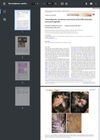
 A man with a type of skin lymphoma had unusual yellowish skin growths despite normal blood lipid levels, and treatment reduced some symptoms but not the growths.
1 citations
,
May 2016 in “Journal of Cosmetic Dermatology” Cytokeratins 15 and 19 may help track vitiligo treatment progress.
 1 citations
,
July 2012 in “British Journal of Dermatology”
1 citations
,
July 2012 in “British Journal of Dermatology” New treatments and management strategies for skin conditions like melanoma and Spitz naevi were discussed at the dermatologists' meeting.
 August 2024 in “Clinical Cosmetic and Investigational Dermatology”
 Upadacitinib and narrowband UVB effectively treated a child's vitiligo and alopecia areata.