 5 citations
,
January 2022 in “PloS one”
5 citations
,
January 2022 in “PloS one” Deleting the p63 gene in certain cells causes problems in thymus development and severe hair loss in mice.
 5 citations
,
August 2013 in “InTech eBooks”
5 citations
,
August 2013 in “InTech eBooks” KLF4 is important for maintaining stem cells and has potential in cancer treatment and wound healing.
 4 citations
,
November 2023 in “Frontiers in immunology”
4 citations
,
November 2023 in “Frontiers in immunology” New treatments targeting T-cell pathways are needed for better alopecia areata management.
 4 citations
,
June 2020 in “JAAD case reports”
4 citations
,
June 2020 in “JAAD case reports” Permanent hair dye may cause total hair loss.
4 citations
,
January 2011 in “Cell stem cell” Hair follicle stem cells can return to their original niche and help regenerate hair.
 3 citations
,
July 2020 in “International Journal of Molecular Sciences”
3 citations
,
July 2020 in “International Journal of Molecular Sciences” SCDSFs from zebrafish embryos are beneficial for treating cancer, regenerating tissues, and improving conditions like psoriasis and alopecia.
 2 citations
,
October 2025 in “Discover Immunity.”
2 citations
,
October 2025 in “Discover Immunity.” Alopecia Areata is an autoimmune disease causing hair loss, with no cure yet, but research may lead to new treatments.
 2 citations
,
January 2025 in “动物学研究”
2 citations
,
January 2025 in “动物学研究” YAP1 helps fat cell formation by influencing the Hippo pathway.
 1 citations
,
March 2025 in “Frontiers in Physiology”
1 citations
,
March 2025 in “Frontiers in Physiology” Methotrexate, resveratrol, and curcumin may help treat alopecia areata by targeting immune cells.
 1 citations
,
October 2022 in “JCI insight”
1 citations
,
October 2022 in “JCI insight” Deleting the BRD4 protein in certain skin cells causes hair loss and skin inflammation.
 1 citations
,
April 2016 in “CRC Press eBooks”
1 citations
,
April 2016 in “CRC Press eBooks” Skin aging reflects overall body aging and can indicate internal health conditions.
 1 citations
,
September 2015 in “Elsevier eBooks”
1 citations
,
September 2015 in “Elsevier eBooks” SOX2 is crucial for skin cell function and hair growth, and it plays a role in skin cancer and wound healing.
 1 citations
,
October 1996 in “Journal of Cutaneous Medicine and Surgery”
1 citations
,
October 1996 in “Journal of Cutaneous Medicine and Surgery” Gene therapy shows promise for treating skin disorders and cancer, but faces technical challenges.
January 2026 in “Journal of Investigative Dermatology” Special cells can help regrow hair in alopecia areata.
Stress can cause hair loss and trigger autoimmunity by damaging hair follicle cells.
 November 2025 in “Frontiers in Immunology”
 Immune cells are crucial for normal skin development and their dysfunction can cause skin disorders.
October 2025 in “Cell Reports” Regulatory T cells help hair growth by using the Cxcr4-Cxcl12 pathway.
 August 2024 in “Life Science Alliance”
 Helminth protein helps wounds heal better by reducing scarring and promoting tissue growth.
The trial aims to understand how obesity and lifestyle affect circadian rhythms in people with schizophrenia and bipolar disorder.
New treatments for skin conditions show promise, especially Coacillium® for hair growth in young people with alopecia areata.
 January 2024 in “Tropical journal of pharmaceutical research”
 Cirsium japonicum var. spinossimum seeds may help reduce inflammation and fight cancer.
 January 2024 in “Advances in Dermatology and Allergology”
 New treatments offer hope for better managing hidradenitis suppurativa.
 October 2023 in “Peer review”
 PRP is a safe and effective treatment for hair loss.
 January 2019 in “Advances in stem cells and their niches”
 Skin health and repair depend on the signals between skin stem cells and their surrounding cells.
 June 2018 in “Journal of Acupuncture and Meridian Studies”
 New technologies in acupuncture and biosensors show promise for better medical treatments and healing.
 May 2018 in “White Rose eTheses Online (University of Leeds, The University of Sheffield, University of York)”
 Alopecia areata may be treated by using EGCG to balance immune cells and reduce inflammation.
 September 2017 in “Journal of Investigative Dermatology”
 The Siah1 and Siah2 genes are active in mouse skin development and hair growth, especially right after birth.
 September 2017 in “Journal of Investigative Dermatology”
 The study found that sweat glands normally suppress immune responses, but this is disrupted in certain skin diseases, possibly contributing to their development.
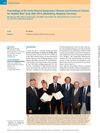 September 2014 in “Aktuelle Dermatologie”
 The symposium concluded that environmental factors significantly contribute to skin aging.
 December 2012 in “Journal of dermatological science”
 Langerhans cells and melanocytes migrate to the skin and hair follicles during early human development.