 5 citations
,
June 2022 in “Frontiers in immunology”
5 citations
,
June 2022 in “Frontiers in immunology” Increasing Treg cells in the skin does not cure hair loss from alopecia areata in mice.
July 2026 in “The Journal of Immunology” Tacrolimus effectively promotes hair regrowth in an alopecia areata mouse model.
2 citations
,
October 2024 in “Phenomics” Keratinocytes can reduce the survival of certain melanoma cells, suggesting new therapy paths.
 February 2011 in “Journal of Clinical Investigation”
 Genetically repaired stem cells may treat certain genetic diseases, Th17 cells are key in fighting systemic fungal infections, hair loss in AGA is due to progenitor cell loss, and α-synuclein transfer might contribute to Parkinson's disease progression.
 January 2025 in “bioRxiv (Cold Spring Harbor Laboratory)”
 Potential therapeutic targets for scarring hair loss are identified.
 18 citations
,
March 2006 in “Expert Review of Neurotherapeutics”
18 citations
,
March 2006 in “Expert Review of Neurotherapeutics” The document concludes that managing side effects of MS therapies is crucial for treatment success and patient adherence.
January 2025 in “Advances in Clinical Medicine” Injection therapies show promise as effective treatments for hair loss.
 October 2024 in “A I Burnasyan Federal Medical Biophysical Center Clinical Bulletin”
 Various treatments effectively manage androgenetic alopecia.
 April 2016 in “Journal of Investigative Dermatology”
 Double-stranded RNA activates a pathway that causes a skin protein to be expressed in the wrong place.
September 2023 in “International journal of molecular sciences” Targeting lipid metabolism can help treat advanced, resistant cancers.
 55 citations
,
July 2016 in “Dermatologic Therapy”
55 citations
,
July 2016 in “Dermatologic Therapy” Multiple treatments work best for hair loss.
Combining nanotechnology with herbal medicine may improve PCOS treatment.
9 citations
,
November 2013 in “BMC Pharmacology and Toxicology” Suppressing eIF4E can prevent hair loss from chemotherapy.
May 2023 in “The Journal of Immunology” Expanding CD4+ Tregs can stop hair loss in alopecia areata.
September 2025 in “Blood Advances” Targeting androgen receptor signaling may improve acute myeloid leukemia treatment.
 February 2026 in “Stem Cell Research & Therapy”
 Stem cell therapies show promise for hair regrowth in alopecia areata but need more research for safety and effectiveness.
March 2026 in “Microchemical Journal”  February 2026 in “International Journal of Molecular Sciences”
 Combining hyperthermia with natural compounds and conventional treatments improves cancer therapy effectiveness and reduces side effects.
May 2026 in “Science Advances” Caloric stress and differentiation increase IRES translation, affecting stem cell function and potential therapies.
48 citations
,
January 2005 in “Treatments in Endocrinology” 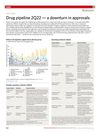 August 2022 in “Nature Biotechnology”
 Drug approvals slowed in 2Q22, but notable drugs like Amvuttra, Camzyos, and Olumiant were approved.
June 2018 in “Dermatologic Surgery”  August 2019 in “Regenerative Medicine”
 In June 2019, the stem cell research field saw major progress, including new clinical trials, FDA approvals, and industry collaborations.
 28 citations
,
January 2011 in “Hearing Research”
28 citations
,
January 2011 in “Hearing Research” Gene therapy, especially using atoh1, shows promise for creating functional sensory hair cells in the inner ear, but dosing and side effects need to be managed for clinical application.
 40 citations
,
November 2016 in “Molecules”
40 citations
,
November 2016 in “Molecules” Some plants used in traditional medicine may help treat cancer because they contain proteins that can inactivate ribosomes.
 January 2025 in “Journal of Education Health and Sport”
 More effective methods are needed to prevent hair loss from chemotherapy.
December 2022 in “International Journal of Molecular Sciences” Afatinib, neratinib, and zanubrutinib could be effective against KRASG12C-mutant tumors.
April 2026 in “Future Medicinal Chemistry” PROTACs have become a breakthrough in medicine by effectively targeting and degrading specific proteins to treat diseases.
1 citations
,
November 2025 in “Expert Review of Clinical Immunology” Sequential immunotherapy can effectively treat alopecia areata by managing inflammation and promoting hair regrowth.