October 2025 in “Clinical and Experimental Pediatrics” A novel CLDN1 mutation in a 2-month-old with NISCH showed improvement with symptom management.
June 2026 in “Health Nanotechnology” Nanoformulated plant compounds show promise for treating PCOS but need more testing and validation.
Nicolaides-Baraitser syndrome may cause eczema and hair loss, needing early skin care and treatment.
50 citations
,
March 2018 in “BMC Genomics” Non-coding RNAs help control hair growth cycles in cashmere goats, suggesting ways to improve cashmere production.
40 citations
,
March 2019 in “Pharmaceutical development and technology” Smaller particles of the drug carrier penetrated skin better, with 300 nm size being best for targeting hair follicles.
miR-214-3p helps nerve repair and recovery.
October 2025 in “Cell Death and Disease” CD271 is crucial for maintaining healthy skin and preventing inflammation.
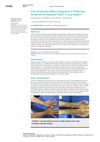
Doctors should consider Netherton syndrome in patients with chronic skin and hair issues to avoid misdiagnosis.
4 citations
,
February 2008 in “Cell stem cell” NFATc1 is crucial for keeping hair follicle stem cells inactive.
 24 citations
,
February 2015 in “Experimental Cell Research”
24 citations
,
February 2015 in “Experimental Cell Research” NFIC helps human dental stem cells grow and become tooth-like cells.

A person with a new mutation in the SCN1A gene developed brain inflammation after COVID-19.
4 citations
,
December 2021 in “Journal of Clinical Nursing” Comprehensive information and trained nurses are crucial for a better scalp cooling experience during chemotherapy.
 January 2022 in “Elsevier eBooks”
 Nanospanlastics are effective in targeted drug delivery for chronic diseases, improving skin conditions, treating hair loss, and increasing drug absorption.
3 citations
,
May 2023 in “Pediatric Dermatology” A 9-year-old boy had a rare scalp condition usually seen in young men.
 March 2023 in “Chemical biology & drug design”
 Panax notoginseng saponins help hair growth in mice.
 4 citations
,
December 2017 in “American Journal of Dermatopathology”
4 citations
,
December 2017 in “American Journal of Dermatopathology” Naked hair shafts are significantly associated with scarring hair loss and may help diagnose it, especially when multiple are found.
April 2009 in “The FASEB Journal” Keratin biomaterials from human hair help nerve regeneration by activating Schwann cells.
March 2008 in “The FASEB Journal” Neurosteroid withdrawal increases α4 subunit expression in the hippocampus, which may relate to catamenial epilepsy in women.
January 2024 in “Indian Journal of Psychiatry” Precision neuromodulation may improve schizophrenia symptoms.
10 citations
,
August 2024 in “ACS Omega” Nanocosmetics with natural extracts offer benefits but need more research on safety and environmental impact.
 35 citations
,
May 2019 in “Frontiers in genetics”
35 citations
,
May 2019 in “Frontiers in genetics” Non-coding RNAs play key roles in the hair growth cycle of Angora rabbits.
 25 citations
,
April 2012 in “Acta Biomaterialia”
25 citations
,
April 2012 in “Acta Biomaterialia” Using certain small proteins with a growth factor and specific materials can increase the creation of neurons from stem cells.
3 citations
,
June 2025 in “Biomedical Reports” Nanotechnology can improve cervical cancer treatment by targeting drugs better and reducing side effects.
20 citations
,
August 2023 in “Saudi Pharmaceutical Journal” Niosomes can effectively deliver cetirizine topically for treating alopecia.
3 citations
,
January 2021 in “Oxidative Medicine and Cellular Longevity” Nrf-2-modified stem cells from hair follicles significantly improve ulcerative colitis in rats.
July 2026 in “Journal of Zhejiang University (Medical Sciences)” Nanovesicles from fat stem cells help hair growth by activating a specific signaling pathway.
87 citations
,
June 2010 in “Stem Cell Research & Therapy” Stem cells can move to brain injury sites and be tracked, showing promise for treating brain diseases.
4 citations
,
October 2024 in “International Journal of Molecular Sciences” GCN reduces lung inflammation and damage from air pollution in mice.
 December 2022 in “Research Square (Research Square)”
 The QuantAnts machines can find cancer markers and create CRISPR targets for them.
Customizing non-invasive treatments for head and neck neuralgia improves patient outcomes.