 November 2023 in “Research Square (Research Square)”
 NIR-II imaging effectively tracked stem cells that helped repair facial nerve defects in rats.
 February 2026 in “International Journal of Molecular Sciences”
 PDLLA filler can improve hair thickness and shine by reducing age-related hair decline.
July 2025 in “Ultrasound in Medicine & Biology” UTMD with diclofenac and Doxil® improves cancer treatment by boosting immune response and reducing tumor-supporting cells.
 12 citations
,
December 2020 in “Archives animal breeding/Archiv für Tierzucht”
12 citations
,
December 2020 in “Archives animal breeding/Archiv für Tierzucht” EDA and EDAR are important for hair follicle development in cashmere goats and affect other related genes.
 December 2025 in “Aesthetic Plastic Surgery”
 The new near-infrared LED device improves skin and hair with no side effects.
June 2023 in “bioRxiv (Cold Spring Harbor Laboratory)” Dopaminergic neurons in the gut have distinct subtypes, some releasing both dopamine and acetylcholine.
75 citations
,
January 2004 in “Molecular and Cellular Biology” XEDAR deficiency prevents muscle degeneration in EDA-A2 transgenic mice.
9 citations
,
April 1985 in “Archives of Dermatology” Recognizing the "bamboo hair defect" is crucial for diagnosing Netherton's syndrome.
 January 2019 in “Proceedings for Annual Meeting of The Japanese Pharmacological Society”
 Nε-(carboxymethyl) lysine delays hair growth by blocking a key protein.
January 1998 in “The Nishinihon Journal of Dermatology” A 7-year-old girl was diagnosed with Netherton's Syndrome, shown by skin and hair symptoms.
37 citations
,
June 2000 in “Experimental dermatology” The Lanceolate hair-J mutation in mice mimics human hair disorders like Netherton's syndrome.
13 citations
,
February 2012 in “International Journal of Dermatology” A new genetic mutation in the CDH3 gene causes hair loss and eye problems in young people.
7 citations
,
December 2016 in “Journal of the American Academy of Dermatology” NKG2D+CD4+ T cells are higher in alopecia areata patients and may be involved in the disease.
3 citations
,
June 2025 in “Gyemyeong uidae haksulji” PDRN is effective and safe for healing wounds and skin issues.
Poly-D,L-lactic acid boosts hair growth in aged skin by activating hair follicle stem cells.
 7 citations
,
March 2022 in “Molecules”
7 citations
,
March 2022 in “Molecules” 5-Bromo-3,4-dihydroxybenzaldehyde could potentially help hair growth by activating certain cell pathways and inhibiting others.
June 2023 in “bioRxiv (Cold Spring Harbor Laboratory)” Scientists created cell lines to study a genetic skin disorder using CRISPR technology.
2 citations
,
September 2017 in “Journal of Zoo and Wildlife Medicine” An addax had skin cancer that spread to lymph nodes and was euthanized.
 April 2016 in “Journal of The American Academy of Dermatology”
 Using a niacinamide cream can improve life quality for breast cancer patients during chemotherapy.
1 citations
,
November 2003 in “SKINmed Dermatology for the Clinician” A 17-year-old with Netherton syndrome has dry, itchy skin, brittle hair, and high IgE levels, treated with antihistamines and emollients.
8 citations
,
December 2022 in “Journal of Translational Medicine” WNMFDDA effectively predicts drug-disease associations.
8 citations
,
April 2018 in “Journal of the European Academy of Dermatology and Venereology” Certain genetic variations can make people more likely to experience hair loss and low white blood cell count from azathioprine.

Doctors should consider Netherton syndrome in patients with chronic skin and hair issues to avoid misdiagnosis.
 15 citations
,
May 2016 in “Die Pharmazie”
15 citations
,
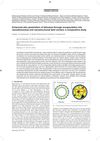
May 2016 in “Die Pharmazie” Nanostructured lipid carriers deliver lidocaine to the skin better than nanoethosomes.
 4 citations
,
January 1970 in “Journal of Bangladesh College of Physicians and Surgeons”
4 citations
,
January 1970 in “Journal of Bangladesh College of Physicians and Surgeons” Early diagnosis and genetic counseling are crucial for managing adrenoleukodystrophy.
61 citations
,
January 2013 in “International Journal of Biological Macromolecules” Combining DHT and EDC improves the strength and stability of PADM scaffolds for tissue engineering.
14 citations
,
April 1976 in “Journal of Cutaneous Pathology” A calcified nodule on a boy's face came from hair follicles and expelled calcium through the skin.

New peptides can delay aging and improve cell function.
 5 citations
,
June 2012 in “The journal of investigative dermatology/Journal of investigative dermatology”
5 citations
,
June 2012 in “The journal of investigative dermatology/Journal of investigative dermatology” Putting thymidine dinucleotide on newborn mice's skin can delay and reduce skin cancer.