 May 2023 in “Skin research and technology”
 A DNA aptamer helps promote hair growth by enhancing a key cell growth signal in hair follicle cells.
13 citations
,
January 2002 in “Biochemical and biophysical research communications” Interferon β from hair cells stops the growth of other hair cells.
 8 citations
,
September 2017 in “Journal of Investigative Dermatology”
8 citations
,
September 2017 in “Journal of Investigative Dermatology” CXXC5 is a protein that prevents hair growth and could be a target for hair loss treatment.
 8 citations
,
September 2017 in “Scientific Reports”
8 citations
,
September 2017 in “Scientific Reports” MAD2B slows down the growth of skin cells that are important for hair development by interacting with TCF4.
 5 citations
,
October 2013 in “Experimental Dermatology”
5 citations
,
October 2013 in “Experimental Dermatology” The commentary explains that a balance of HR protein and putrescine is important for normal hair growth.
September 2017 in “Journal of Investigative Dermatology” LRIG1 protein affects hair growth by regulating skin receptors, leading to hair loss when overexpressed.
April 2026 in “The Plant Journal” MYB83 limits root hair growth and helps plants tolerate nutrient deficiencies.
3 citations
,
June 2021 in “Frontiers in genetics” The protein STAT3 slows down cell growth by blocking the FST gene, which affects hair development in sheep.
 12 citations
,
May 2023 in “EMBO reports”
12 citations
,
May 2023 in “EMBO reports” High mTORC1 activity slows hair growth and causes it to lose color.
10 citations
,
August 2013 in “Experimental Dermatology” Hairless protein and putrescine regulate each other, affecting hair growth and skin balance.
 July 2026 in “bioRxiv (Cold Spring Harbor Laboratory)”
 ACA2 is crucial for root hair growth by controlling calcium levels in cells.
 68 citations
,
December 2011 in “Journal of Investigative Dermatology”
68 citations
,
December 2011 in “Journal of Investigative Dermatology” Sox2-positive dermal papilla cells have unique characteristics and contribute more to skin and hair follicle formation than Sox2-negative cells.
 27 citations
,
June 2013 in “Genes & development”
27 citations
,
June 2013 in “Genes & development” Cav1.2 affects hair growth and could be a target for hair loss treatments.
3 citations
,
February 2018 in “Experimental and Molecular Medicine/Experimental and molecular medicine” A protein called PCBP2 controls the production of a hair growth protein by interacting with its genetic message and is linked to hair loss when this control is disrupted.
109 citations
,
June 2011 in “Molecular and Cellular Endocrinology” Vitamin D receptor mutations can cause alopecia by affecting hair growth genes.
 17 citations
,
August 2018 in “BMC Genomics”
17 citations
,
August 2018 in “BMC Genomics” The HOXC13 gene affects different hair proteins in cashmere goats in varied ways and is controlled by a feedback loop and other factors.

Certain natural products may help stimulate hair growth by affecting stem cell activity in the scalp.
October 2021 in “Scholarworks (University of Massachusetts Amherst)” FERONIA is crucial for plant growth, pollen tube reception, and sugar signaling.
133 citations
,
July 1994 in “Journal of Dermatological Science” Human hair growth can be influenced by certain growth factors and has specific metabolic needs.
 1 citations
,
March 2020 in “Functional foods in health and disease/Journal of functional foods in health & disease”
1 citations
,
March 2020 in “Functional foods in health and disease/Journal of functional foods in health & disease” OM-X® helped prevent negative effects of Vitamin C deficiency in mice, suggesting it could protect organs and regulate metabolism.
 12 citations
,
November 2014 in “PLOS Computational Biology”
12 citations
,
November 2014 in “PLOS Computational Biology” The study concluded that hair growth in mice is regulated by a stable interaction between skin cell types, and disrupting this can cause hair loss.
38 citations
,
March 1997 in “Journal of interferon & cytokine research” IL-1β inhibits human hair follicle growth.
19 citations
,
May 2018 in “Molecular Medicine Reports” miR‑339‑5p can slow down hair follicle stem cell differentiation by targeting DLX5.
 13 citations
,
March 2020 in “Genes”
13 citations
,
March 2020 in “Genes” Disrupting the FGF5 gene in rabbits leads to longer hair by extending the hair growth phase.
10 citations
,
August 2020 in “Acta histochemica” All-trans-retinoic acid stops mink hair growth by affecting cell growth and causing cell death.
385 citations
,
November 1990 in “Journal of Cell Science” Human hair follicles can grow in a lab setting.
65 citations
,
February 2018 in “The Plant Journal” PLDζ2 and NPC4 have different roles in lipid changes and root hair growth in Arabidopsis under low phosphate, with PLDζ2 reducing root hair growth and NPC4 promoting it.
 January 2016 in “Journal of Investigative Dermatology”
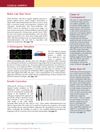
 Some cells may slow melanoma growth, a protein could affect skin pigmentation, a gene-silencing method might treat hair defects, skin bacteria changes likely result from eczema, and a defensin protein could help treat multiple sclerosis.
 199 citations
,
April 2010 in “Nature”
199 citations
,
April 2010 in “Nature” A gene called APCDD1, which controls hair growth, is found to be faulty in a type of hair loss called hereditary hypotrichosis simplex.
March 2026 in “Journal of Investigative Dermatology” Folliculin slows hair growth, and blocking it might help treat hair loss.