 53 citations
,
April 2014 in “Experimental Dermatology”
53 citations
,
April 2014 in “Experimental Dermatology” Wnt10b makes hair follicles bigger, but DKK1 can reverse this effect.
 43 citations
,
July 2014 in “Experimental Dermatology”
43 citations
,
July 2014 in “Experimental Dermatology” Hair follicles can help wounds heal faster and this knowledge could be used to treat chronic skin ulcers, with a potential use of a special stem cell hydrogel to enhance healing.
 41 citations
,
December 2018 in “Experimental Dermatology”
41 citations
,
December 2018 in “Experimental Dermatology” Understanding how melanocyte stem cells work could lead to new treatments for hair graying and skin pigmentation disorders.
 30 citations
,
April 2017 in “Experimental Dermatology”
30 citations
,
April 2017 in “Experimental Dermatology” Hair follicle stem cells and skin cells show promise for hair and skin therapies but need more research for clinical use.
 30 citations
,
December 2001 in “Experimental dermatology”
30 citations
,
December 2001 in “Experimental dermatology” Gonadal hormones significantly affect the severity of alopecia areata in mice.
 29 citations
,
November 2014 in “Experimental Dermatology”
29 citations
,
November 2014 in “Experimental Dermatology” Injecting alpha-melanocyte-stimulating hormone in mice improved skin healing and reduced scarring.
 24 citations
,
March 2018 in “Experimental Dermatology”
24 citations
,
March 2018 in “Experimental Dermatology” Treg dysfunction is linked to various autoimmune skin diseases, and understanding Treg properties is key for new treatments.
 23 citations
,
January 2009 in “Veterinary Dermatology”
23 citations
,
January 2009 in “Veterinary Dermatology” The hepatitis B vaccine did not cause hair loss in the tested mice.
 22 citations
,
August 1999 in “Experimental Dermatology”
22 citations
,
August 1999 in “Experimental Dermatology” Certain drugs can cause early hair growth in mice by affecting the nerves.
 19 citations
,
January 2011 in “Annals of Dermatology”
19 citations
,
January 2011 in “Annals of Dermatology” M. restricta may cause Malassezia folliculitis, especially in teens and twenties.
 18 citations
,
October 2014 in “Experimental Dermatology”
18 citations
,
October 2014 in “Experimental Dermatology” Local skin glucocorticoid production is crucial for healthy skin, and its disruption can lead to skin diseases.
 15 citations
,
January 2019 in “Experimental Dermatology”
15 citations
,
January 2019 in “Experimental Dermatology” Lanyu pigs show that partial-thickness wounds can partially regenerate important skin structures, which may help improve human skin healing.
 15 citations
,
January 2010 in “Experimental Dermatology”
15 citations
,
January 2010 in “Experimental Dermatology” Hair loss in certain young mice is linked to a specific gene and can be caused by lack of iron.
 13 citations
,
July 2019 in “Journal of Dermatological Science”
13 citations
,
July 2019 in “Journal of Dermatological Science” Increasing alkaline phosphatase in human skin cells helps to grow more hair.
 11 citations
,
January 2011 in “Indian Dermatology Online Journal”
11 citations
,
January 2011 in “Indian Dermatology Online Journal” Eating dairy and high glycemic foods may increase the risk of acne.
 8 citations
,
January 2019 in “Experimental Dermatology”
8 citations
,
January 2019 in “Experimental Dermatology” The 3D skin model is better for hair growth research and testing treatments.
 8 citations
,
January 2015 in “Clinical and Experimental Dermatology”
8 citations
,
January 2015 in “Clinical and Experimental Dermatology” A new model for hair regeneration in mice was created in 2015, which is faster and less invasive than the old method, producing normal hairs in about 21 days.
 8 citations
,
October 1988 in “Clinics in dermatology”
8 citations
,
October 1988 in “Clinics in dermatology” The best animal model for studying male-pattern baldness is the stumptailed macaque, not rats or mice.
 6 citations
,
July 2012 in “Experimental Dermatology”
6 citations
,
July 2012 in “Experimental Dermatology” The substance from human hair root cells can help maintain hair growth and make skin cells more capable of growing hair.
 5 citations
,
October 2020 in “Experimental dermatology”
5 citations
,
October 2020 in “Experimental dermatology” A specific type of skin cell creates an opening for hair to grow out, and problems with this process can lead to skin conditions.
 5 citations
,
October 2016 in “Experimental Dermatology”
5 citations
,
October 2016 in “Experimental Dermatology” Activin A is important for creating new hair follicles.
 4 citations
,
August 2014 in “Dermatology and Therapy”
4 citations
,
August 2014 in “Dermatology and Therapy” LOYON® is a safe and effective way to reduce cradle cap in infants and children.
 3 citations
,
March 2010 in “Dermatologica Sinica”
3 citations
,
March 2010 in “Dermatologica Sinica” A Taiwanese patient had hair loss and skin bumps without the usual gene mutation, suggesting other genetic factors might be involved.
 3 citations
,
September 2005 in “Experimental dermatology”
3 citations
,
September 2005 in “Experimental dermatology” The cornified envelope is crucial for skin's barrier function and involves key proteins and genetic factors.
 2 citations
,
January 2023 in “Annals of Dermatology”
2 citations
,
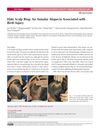
January 2023 in “Annals of Dermatology” A hairless patch on a boy's scalp from birth injury improved with minoxidil treatment.
 1 citations
,
January 1989 in “Journal of dermatological treatment”
1 citations
,
January 1989 in “Journal of dermatological treatment” Azelaic acid may help treat acne by killing bacteria, reducing inflammation, and preventing clogged pores.
 March 2026 in “Voprosy dermatologii i venerologii/Dermatologiâ ža̋ne veneralogiâ ma̋selelerì”
 Polynucleotide-based treatments effectively reduce aging signs and aid tissue recovery.
 March 2026 in “Voprosy dermatologii i venerologii/Dermatologiâ ža̋ne veneralogiâ ma̋selelerì”
 Dermatophytes, like Trichophyton rubrum, can cause allergies and chronic inflammation.
 March 2026 in “Voprosy dermatologii i venerologii/Dermatologiâ ža̋ne veneralogiâ ma̋selelerì”
 Expand access to prevention and address barriers for sex workers in Kostanay.
 December 2024 in “Journal of Neonatal Surgery”
 Hormonal imbalances, especially high androgen levels and insulin resistance, are linked to worse acne in adult women.