 November 2018 in “DergiPark (Istanbul University)”
 The cat's skin condition improved with treatment, but underlying health issues must be addressed.
 8 citations
,
August 1997 in “Australasian Journal of Dermatology”
8 citations
,
August 1997 in “Australasian Journal of Dermatology” Most HIV patients develop skin symptoms that can indicate the stage of their disease.
 3 citations
,
July 2019 in “Case Reports in Obstetrics and Gynecology”
3 citations
,
July 2019 in “Case Reports in Obstetrics and Gynecology” A young woman's rare ovarian tumor was successfully removed, improving her hormonal symptoms.
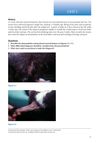 May 2019 in “Small Animal Dermatology”
 The cat had a rare condition linked to cancer, leading to its euthanasia.
 24 citations
,
March 2003 in “Best Practice & Research Clinical Endocrinology & Metabolism”
24 citations
,
March 2003 in “Best Practice & Research Clinical Endocrinology & Metabolism” Androgens, male hormones, play a role in both men and women's health, and testosterone therapy can help women with low levels, but it's not suitable for pregnant or lactating women, or those with certain conditions.
32 citations
,
March 2018 in “Neoplasia” Nephronectin is linked to worse breast cancer outcomes and helps cancer spread.
47 citations
,
January 1998 in “Molecular Carcinogenesis” ErbB2 signaling is crucial for skin cell growth and cancer development in mice.
 November 2025 in “Archiv für Pathologische Anatomie und Physiologie und für Klinische Medicin”
 Sporadic trichoblastic neoplasms generally don't recur or spread, with one case showing a specific genetic fusion.
 9 citations
,
July 2008 in “Oncology Reports”
9 citations
,
July 2008 in “Oncology Reports” HPV16-transformed cells can change human skin cell properties, aiding tumor growth.
88 citations
,
August 1998 in “Carcinogenesis” High levels of ODC and a mutant Ha-ras gene cause tumors in mice.
12 citations
,
August 1988 in “Histopathology” The tumor likely shows dual neural crest differentiation.
153 citations
,
April 1998 in “Current Biology” The risk of skin tumors becoming malignant depends on the specific skin cell type affected.
150 citations
,
June 1999 in “Oncogene” 7 citations
,
October 2011 in “BMC Cancer” Overexpression of HDGF in melanocytes does not cause cancer.
July 2016 in “Cancer research” Mutant cells in hair follicles are influenced by their location and interactions with surrounding cells.
21 citations
,
April 2016 in “International Journal of Oncology” GnRH treatment can reduce breast cancer cell invasion.
January 2005 in “Enlighten: Publications (The University of Glasgow)” Melanocyte pathology requires keratinocyte hyperplasia and regulation dysfunction.
 19 citations
,
January 2014 in “International Journal of Medical Sciences”
19 citations
,
January 2014 in “International Journal of Medical Sciences” Abnormal activation of hair follicle stem cells and Wnt/β-catenin signaling contributes to sebaceous neoplasms.
3 citations
,
January 1989 in “The Nishinihon Journal of Dermatology” A hair cyst can become cancerous, showing specific keratins from the hair sheath.
Moles may stop growing due to cell cooperation, not just because of individual cell aging.
The balance between cell renewal and differentiation controls the growth of cancerous cells in mouse skin.
 10 citations
,
May 2007 in “Oncology Reports”
10 citations
,
May 2007 in “Oncology Reports” Colorectal cancer's ability to spread is due to changes in many genes, not just one.
Skin cells can naturally limit the growth of cancerous changes by balancing cell renewal and differentiation.
40 citations
,
August 2018 in “Disease Models & Mechanisms” Mature cells can re-enter the cell cycle and potentially lead to cancer.
July 2025 in “Journal of Investigative Dermatology” Complex basal cell carcinomas need personalized treatment due to unique genetic mutations.
1 citations
,
July 2017 in “Cancer Research” Overexpressing NSD3 in mice causes breast cancer-like tumors and gland abnormalities.
147 citations
,
April 1997 in “Oncogene” Overexpressing IGF-1 in mice leads to skin abnormalities and tumors.
January 2018 in “eScholarship (California Digital Library)” Hair follicle stem cells may cause squamous cell carcinoma due to a metabolic shift towards glycolysis.
June 2010 in “European Journal of Cancer Supplements” Senescent fibroblasts can help start tumors in normal skin cells.
136 citations
,
March 1998 in “Oncogene” Overexpression of E2F1 can lead to skin tumors and disrupt hair growth.