 5 citations
,
September 1986 in “Pediatric Dermatology”
5 citations
,
September 1986 in “Pediatric Dermatology” A family showed a new condition with inherited hair loss and skin changes, possibly due to one genetic disorder.
33 citations
,
March 2018 in “Italian Journal of Dermatology and Venereology” Cutaneous lupus erythematosus is a chronic skin disease that can progress to systemic lupus in some cases and requires treatment to prevent recurrences and scarring.
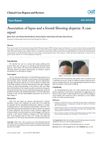 January 2020 in “Clinical Case Reports and Reviews”
 Lupus and frontal fibrosing alopecia may share a common cause.
 39 citations
,
May 2014 in “Frontiers in Pharmacology”
39 citations
,
May 2014 in “Frontiers in Pharmacology” Special immune cells called Tregs can help prevent lung scarring by blocking a specific growth factor.
7 citations
,
January 2023 in “Anti-Cancer Drugs” Early diagnosis and treatment of EGFR inhibitor-induced folliculitis decalvans can prevent permanent hair loss.
Juvenile-onset lupus patients have more severe symptoms and need stronger treatment.
 8 citations
,
December 2009 in “Journal of The European Academy of Dermatology and Venereology”
8 citations
,
December 2009 in “Journal of The European Academy of Dermatology and Venereology” Researchers found a new mutation in the FERMT1 gene in a Spanish family with Kindler syndrome.
219 citations
,
July 1995 in “PubMed” Keratinocyte growth factor promotes hair growth and reduces hair loss from chemotherapy.
 March 2025 in “International Journal of Trichology”
 FAPD in children may not depend on androgens and should be treated with anti-inflammatory measures and minoxidil.
6 citations
,
May 2002 in “British journal of dermatology/British journal of dermatology, Supplement” A rare skin condition linked to leukemia improved with chemotherapy.
April 2023 in “Journal of Investigative Dermatology” Interface dermatitis is the most common skin change in drug-induced hypersensitivity syndrome.

A 16-year-old girl with lupus symptoms improved with treatment despite negative ANA tests.
March 2026 in “Voprosy dermatologii i venerologii/Dermatologiâ ža̋ne veneralogiâ ma̋selelerì” Early diagnosis, genetic testing, and personalized care are essential for managing tuberous sclerosis.
47 citations
,
November 1966 in “Archives of Dermatology” Trichorrhexis nodosa is mainly caused by hair trauma, not a metabolic defect.
November 2025 in “Practical Neurology” Correct diagnosis and treatment of lupus vasculitis improved the woman's severe symptoms.
 September 2017 in “Journal of Investigative Dermatology Symposium Proceedings”
 A 73-year-old woman with Hypopigmented Mycosis Fungoides, a rare skin lymphoma, experienced disease progression despite treatment, emphasizing the need for ongoing monitoring.
 1 citations
,
October 2020 in “Nepal journal of dermatology, venereology & leprology”
1 citations
,
October 2020 in “Nepal journal of dermatology, venereology & leprology” Patients on hemodialysis commonly have skin color changes, nail problems, dry skin, and itching.
September 2024 in “Journal of the American Academy of Dermatology” Early intervention is important for limited systemic sclerosis patients due to higher pain and ulceration risks.
7 citations
,
April 2004 in “International Journal of Dermatology” The newborn's skin blistering is due to a genetic condition called epidermolytic hyperkeratosis.
 January 2023 in “Skin appendage disorders”
 Two Hispanic women developed Plica neuropathica, a condition causing tangled hair, possibly due to hair damage and various risk factors.

Hidradenitis Suppurativa has genetic links, with certain gene mutations more common in patients and a third of cases having a family history.
 January 2026 in “Preprints.org”
 Mimicking fetal wound environments may enable scarless healing in adults.
 105 citations
,
February 2017 in “British Journal of Dermatology”
105 citations
,
February 2017 in “British Journal of Dermatology” Survivors of Stevens-Johnson syndrome/toxic epidermal necrolysis need ongoing care for various long-term health problems.
 42 citations
,
April 2012 in “Seminars in Oncology”
42 citations
,
April 2012 in “Seminars in Oncology” Targeted cancer therapies often cause skin problems that need careful management to improve patient quality of life and treatment success.
 32 citations
,
September 2015 in “Dermatology”
32 citations
,
September 2015 in “Dermatology” Certain leukemia drugs can cause severe skin reactions that may require stopping treatment.
3 citations
,
October 2013 in “International Journal of Rheumatic Diseases” A young woman with severe symptoms of CPAN improved with intensive treatment but needed a leg amputation.
 152 citations
,
March 1988 in “Journal of The American Academy of Dermatology”
152 citations
,
March 1988 in “Journal of The American Academy of Dermatology” Superficial granulomatous pyoderma is a unique, mild form of skin disease that often heals without strong medication and responds well to milder treatments.
 15 citations
,
April 2011 in “Pediatric Nephrology”
15 citations
,
April 2011 in “Pediatric Nephrology” New treatments for lupus show promise, but more research is needed, especially for children.
December 2017 in “Canadian journal of ophthalmology” A rare skin condition was misdiagnosed as a harmless mole on a woman's eyelid.
28 citations
,
July 1993 in “The journal of investigative dermatology/Journal of investigative dermatology”