 22 citations
,
August 1999 in “Experimental Dermatology”
22 citations
,
August 1999 in “Experimental Dermatology” Certain drugs can cause early hair growth in mice by affecting the nerves.
 76 citations
,
March 2005 in “Journal of Molecular Medicine”
76 citations
,
March 2005 in “Journal of Molecular Medicine” Certain mice without specific receptors or mast cells don't lose hair from stress.
 10 citations
,
July 2011 in “British Journal of Dermatology”
10 citations
,
July 2011 in “British Journal of Dermatology” Lower growth factors linked to balding in androgenetic alopecia.
Neurotrophins may contribute to genetic hair thinning by inhibiting hair growth.
November 2017 in “The Philippine journal of veterinary medicine/Philippine Journal of Veterinary Medicine” Aquapuncture may improve wound healing and hair growth in goats compared to nerve block.
 2 citations
,
January 2023 in “BioMed Research International”
2 citations
,
January 2023 in “BioMed Research International” The secretome from mesenchymal stromal cells shows promise for improving facial nerve injury treatment.
 375 citations
,
July 2006 in “Journal of Investigative Dermatology”
375 citations
,
July 2006 in “Journal of Investigative Dermatology” Stress can worsen skin and hair conditions by affecting the skin's immune response and hormone levels.
 293 citations
,
November 2005 in “Trends in Immunology”
293 citations
,
November 2005 in “Trends in Immunology” Stress can worsen skin conditions and stop hair growth by affecting the body's stress response system.
189 citations
,
May 1999 in “Microscopy Research and Technique” Neurotrophins, especially NGF, are crucial for pain development and management.
 159 citations
,
December 2007 in “American Journal of Pathology”
159 citations
,
December 2007 in “American Journal of Pathology” Stress-related substance P may lead to hair loss and negatively affect hair growth.
122 citations
,
June 1998 in “PubMed” Neurotrophins regulate nerve growth by balancing promotion and suppression.
 96 citations
,
October 2000 in “The FASEB Journal”
96 citations
,
October 2000 in “The FASEB Journal” The p75 neurotrophin receptor is important for hair follicle regression by controlling cell death.
 31 citations
,
November 2016 in “Cell Reports”
31 citations
,
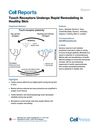
November 2016 in “Cell Reports” Touch sensitivity in mouse skin decreases during hair growth due to changes in touch receptors.
 17 citations
,
August 2019 in “Frontiers in Immunology”
17 citations
,
August 2019 in “Frontiers in Immunology” Non-invasive methods show promise for diagnosing skin diseases like psoriasis and lupus but need more research for regular use.
 7 citations
,
April 2019 in “Aesthetic Surgery Journal”
7 citations
,
April 2019 in “Aesthetic Surgery Journal” Repeated use of platelet-rich plasma in rats caused increased pain sensitivity.
4 citations
,
January 2016 in “Methods in molecular biology” HAP stem cells can repair nerves, grow hair follicle nerves, and become heart muscle cells, making them useful for regenerative medicine.
2 citations
,
January 1997 in “Mapping” Gambogic Amide may prevent hair greying and promote hair growth by maintaining hair pigmentation.
1 citations
,
January 2004 in “PubMed” NGF and minoxidil promote hair growth, while 17 beta-E2 inhibits it.
1 citations
,
March 2003 in “Journal of Investigative Dermatology” Early sunburn treatment with certain inhibitors may reduce skin cancer risk.
June 2025 in “Materials Today Bio” A silk fibroin hydrogel boosts wound healing and hair growth by increasing collagen and hair follicles.
 July 2025 in “Advanced Science”
 Collagen VI and Semaphorin 3C are important for hair pigmentation and could help treat pigmentation disorders.
January 2025 in “TURKDERM” Alopecia areata patients experience more psychological distress, linked to certain neurotrophin levels.
 October 2024 in “World Journal of Psychiatry”
 Stress worsens hair loss in androgenetic alopecia.
July 2024 in “Journal of Investigative Dermatology” Certain substances can help skin cells become anti-inflammatory, aiding in tissue repair.
April 2024 in “International journal of molecular sciences” Dermal factors are crucial in regulating melanin production in skin.
 January 2024 in “Theranostics”
 HDAC6 helps keep ovarian follicles dormant, extending female fertility.

Peptide hydrogels show promise for healing skin, bone, and nerves but need improvement in stability and compatibility.
 April 2023 in “The journal of investigative dermatology/Journal of investigative dermatology”
 A specific group of early-stage melanocytes is reduced in vitiligo-affected skin, which may explain treatment resistance.
 March 2022 in “Research Square (Research Square)”
 4-aminopyridine, a FDA-approved drug, speeds up skin wound healing and tissue regeneration.
 November 2021 in “bioRxiv (Cold Spring Harbor Laboratory)”
 4-aminopyridine helps skin wounds heal faster and better.