 130 citations
,
September 2018 in “Cell Reports”
130 citations
,
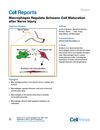
September 2018 in “Cell Reports” Macrophages help heal nerves by aiding the maturation of Schwann cells and are important for nerve repair.
7 citations
,
September 2013 in “Tissue engineering. Part A” Hair follicle stem cells can become motor neurons and reduce muscle loss after nerve injury.
105 citations
,
May 2013 in “Biomaterials” Human hair keratin hydrogel may aid nerve repair better than traditional methods.
 May 2026 in “Mendeley Data”
 Hair follicle stem cells and their exosomes help repair nerve injuries.
 January 2026 in “Mendeley Data”
 Hair follicle stem cells and their exosomes help repair nerve injuries.
 May 2026 in “Mendeley Data”
 Hair follicle stem cells and their exosomes help repair nerve injuries.
121 citations
,
June 2009 in “Journal of Cellular Biochemistry” Human hair follicle stem cells can safely and effectively help nerve regeneration.
miR-214-3p helps nerve repair and recovery.
 1 citations
,
July 2010 in “International Society of Hair Restoration Surgery”
1 citations
,
July 2010 in “International Society of Hair Restoration Surgery” Recognizing racial differences in anatomy helps make hair transplants safer.
 6 citations
,
February 2022 in “The journal of neuroscience/The Journal of neuroscience”
6 citations
,
February 2022 in “The journal of neuroscience/The Journal of neuroscience” Deleting the PTEN gene in mice causes nerve cells to grow larger and heal better after injury, but may cause overgrowth and hair loss in older mice.
 2 citations
,
January 2023 in “BioMed Research International”
2 citations
,
January 2023 in “BioMed Research International” The secretome from mesenchymal stromal cells shows promise for improving facial nerve injury treatment.
miR-214-3p helps nerve repair and recovery.
 September 2011 in “Clinical Biochemistry”
 Sodium metasilicate improved spinal motoneuron recovery after sciatic nerve injury in rats.
Keratin gel may help repair damaged nerves.
April 2017 in “The Journal of urology/The journal of urology” Long-term use of certain prostate drugs can worsen erectile dysfunction by changing penile tissue, especially in rats with high blood pressure.
309 citations
,
October 2007 in “Biomaterials” Keratin from human hair helps nerves heal faster.
November 2007 in “Science” Keratin-based hydrogels from human hair help nerve repair better than traditional methods.
April 2026 in “IntechOpen eBooks” Burn injuries can cause long-term itching, skin color changes, and cancer risks, needing personalized treatment.
7 citations
,
January 2016 in “Methods in molecular biology” Neurons from hair follicles can help repair damaged nerves.
2 citations
,
April 2014 in “PubMed” Epidermal neural crest stem cells from hair follicles can help repair nerve injuries.
 January 2020 in “Nihon Yakuri Gakkai nenkai yoshishu”
 Minoxidil protects brain tissue directly, not by lowering blood pressure.
June 2025 in “Materials Today Bio” A silk fibroin hydrogel boosts wound healing and hair growth by increasing collagen and hair follicles.
 47 citations
,
August 2005 in “Facial Plastic Surgery Clinics of North America”
47 citations
,
August 2005 in “Facial Plastic Surgery Clinics of North America” Face-lifts can lead to complications like bleeding, nerve injury, skin death, hair loss, and rare infections, with careful surgery reducing risks.
 25 citations
,
July 2020 in “Journal of cosmetic dermatology”
25 citations
,
July 2020 in “Journal of cosmetic dermatology” Deoxycholic acid is effective for reducing chin fat but can cause side effects and serious complications, so careful patient evaluation is needed.
 12 citations
,
April 2014 in “Facial Plastic Surgery Clinics of North America”
12 citations
,
April 2014 in “Facial Plastic Surgery Clinics of North America” Direct excision techniques can rejuvenate the neck but may not enhance the jawline and could cause neck-face disharmony if done incorrectly.
 12 citations
,
July 2008 in “Facial Plastic Surgery Clinics of North America”
12 citations
,
July 2008 in “Facial Plastic Surgery Clinics of North America” The document concludes that careful planning and consideration of male brow anatomy are essential for successful facial rejuvenation with cosmetic surgery.
 9 citations
,
July 2014 in “Facial Plastic Surgery”
9 citations
,
July 2014 in “Facial Plastic Surgery” Endoscopic-assisted facelifting is safe and effective with minimal complications and excellent long-term results.
 7 citations
,
April 2018 in “Facial Plastic Surgery”
7 citations
,
April 2018 in “Facial Plastic Surgery” The endoscopic brow lift is a safe and effective way to rejuvenate the face with a low complication rate.
3 citations
,
May 2013 in “International journal of molecular sciences” Epidermal stem cells show promise for treating orthopedic injuries and diseases.

Peptide hydrogels show promise for healing skin, bone, and nerves but need improvement in stability and compatibility.