 1 citations
,
March 2024 in “Skin research and technology”
1 citations
,
March 2024 in “Skin research and technology” A new AI model diagnoses hair and scalp disorders with 92% accuracy, better than previous models.
5 citations
,
July 2023 in “Journal of Autonomous Intelligence” Artificial neural networks can accurately diagnose Alopecia Areata.
 January 2024 in “Wiadomości Lekarskie”
 AI and robotics are improving treatment and monitoring of neurodegenerative disorders like Parkinson's.
May 2026 in “Case Reports in Dermatology” Switching immunosuppressants can improve hair regrowth and well-being in transplant patients experiencing hair loss.
 1 citations
,
August 2023 in “arXiv (Cornell University)”
1 citations
,
August 2023 in “arXiv (Cornell University)” Deep learning effectively diagnoses scalp disorders, but improvements are needed.
April 2026 in “International Journal of Engineering Research and Science & Technology” The new AI system accurately diagnoses hair disorders and offers personalized treatment recommendations.
 November 2025 in “Kufa Journal of Engineering”
 AI can effectively detect hair and scalp disorders from images.
Switching immunosuppressive drugs can improve hair regrowth and well-being in transplant patients with hair loss.

Hair loss from immunosuppressive drugs in transplant patients can affect well-being and treatment adherence, so personalized management is important.
 7 citations
,
September 2013 in “Current Dermatology Reports”
7 citations
,
September 2013 in “Current Dermatology Reports” Some skin medications are safe for pregnant women, but others pose risks or should not be used.
 65 citations
,
July 2013 in “International Clinical Psychopharmacology”
65 citations
,
July 2013 in “International Clinical Psychopharmacology” Mood stabilizers like lithium and anticonvulsants have side effects that can lead to patients stopping their medication, and managing these effects is important for treatment adherence.
 1 citations
,
August 2000 in “Expert Opinion on Therapeutic Patents”
1 citations
,
August 2000 in “Expert Opinion on Therapeutic Patents” Boosting mitochondrial energy production with supplements like acetyl-L-carnitine may improve aging-related cellular function and health conditions.
164 citations
,
February 2010 in “Journal of Cell Science” Human dermal stem cells can become functional skin pigment cells.
41 citations
,
April 2019 in “PLOS genetics” CD34+ and CD34- melanocyte stem cells have different regenerative abilities.
 14 citations
,
January 2006 in “Skinmed”
14 citations
,
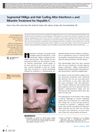
January 2006 in “Skinmed” A woman developed white patches on her skin and curly hair after hepatitis C treatment, likely due to the medication interferon alpha.
 May 2026 in “Organoid Research”
 Hydrogel-based methods improve skin organoid development for medical and research applications.

Peptide hydrogels show promise for healing skin, bone, and nerves but need improvement in stability and compatibility.
June 2025 in “Academic Medical Journal” Vitiligo treatments are improving but relapses are common.
27 citations
,
May 2024 in “Clinical and Translational Medicine” Melanocyte stem cells are vital for skin and hair color and have potential in treating skin disorders and cancer.
July 2002 in “Journal of applied cosmetology” Hair growth issues can be linked to genetics, diseases, or medications, and new treatments are being developed.
 159 citations
,
December 2007 in “American Journal of Pathology”
159 citations
,
December 2007 in “American Journal of Pathology” Stress-related substance P may lead to hair loss and negatively affect hair growth.
 66 citations
,
March 2019 in “Cellular and Molecular Life Sciences”
66 citations
,
March 2019 in “Cellular and Molecular Life Sciences” Melanocyte development from neural crest cells is complex and influenced by many factors, and better understanding could help treat skin disorders.
 August 2023 in “Journal of The American Academy of Dermatology”
 Early treatment is key for permanent hair loss disorders, with options ranging from medications and phototherapy to immunomodulators and antibiotics, depending on severity and type.
25 citations
,
January 2015 in “World journal of stem cells” Hair follicle stem cells can become different cell types and may help treat neurodegenerative disorders.
 September 2017 in “Asian Journal of Beauty and Cosmetology”
 The Notch signaling pathway is important for hair follicle development and could help create treatments for hair disorders.
 101 citations
,
January 1997 in “Journal of Investigative Dermatology Symposium Proceedings”
101 citations
,
January 1997 in “Journal of Investigative Dermatology Symposium Proceedings” Nerves and chemicals in the body can affect hair growth and loss.
 57 citations
,
January 1995 in “The American journal of medicine”
57 citations
,
January 1995 in “The American journal of medicine” Oral contraceptives help treat hyperandrogenic disorders, improving symptoms like excessive hair and acne.
10 citations
,
January 2020 in “Acta Neurobiologiae Experimentalis” Valproic acid and crocin together boost cell growth and may help treat nerve injuries.
6 citations
,
April 2021 in “NAR Genomics and Bioinformatics” PolyQ repeats in neural proteins evolve together, affecting brain function and disease.
February 2026 in “Advanced Science” TTNPB helps turn stem cells into neural stem cells, improving depression-like behaviors in rats.